

The Core Trade-Off: Daily Convenience vs. Unfailing Simplicity
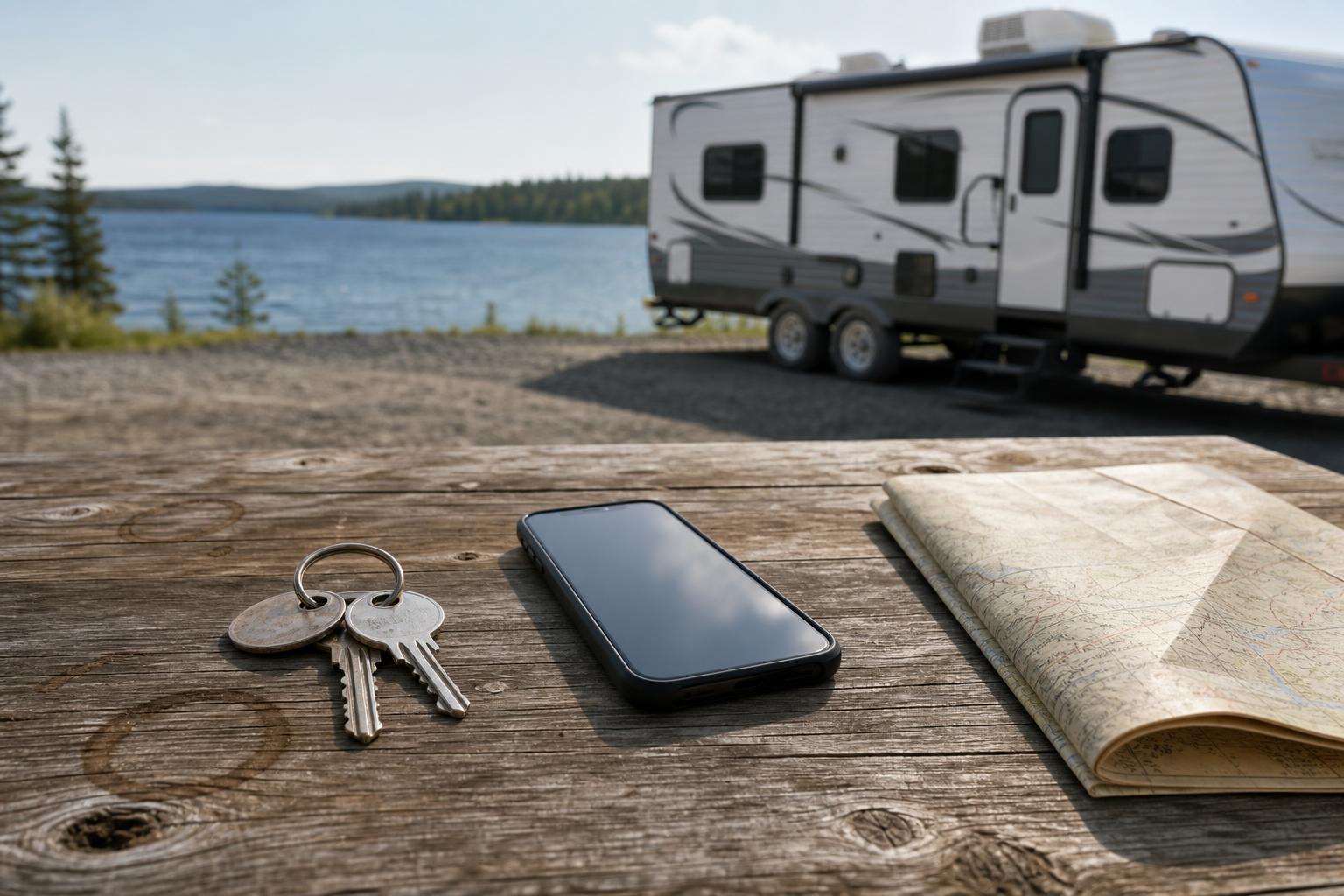
At the heart of the keyless RV lock vs standard lock debate lies a simple trade-off. Are you willing to embrace modern technology for unmatched convenience, or do you prefer the rock-solid, never-fail nature of a traditional mechanical lock? It's a common upgrade, with an RV Industry Association (RVIA) survey finding that 83% of RVers shop to accessorize their vehicles. Let's break down the core appeal of each.
The "No-Keys" Freedom: Why RVers Love Keyless Entry
The number one reason RVers upgrade is freedom. Across RV forums and communities, owners praise the ability to leave keys behind. Whether you're hiking, swimming, or just running to the campground bathhouse, you don't have to worry about who has the key or where to stash it.
This convenience is a game-changer for families. Instead of passing a single key around, everyone can have their own code. One RVer on a Reddit thread shared a story where their toddler accidentally locked the family out—a potential disaster that was easily solved in seconds with the keypad code. It eliminates a layer of stress and coordination, making trips smoother.
The "Never-Fail" Mentality: The Case for the Classic Standard Lock
On the other side of the coin is the standard lock's absolute reliability. It's a purely mechanical device with no batteries to die, circuits to fry, or software to glitch. It works, every single time, regardless of weather or power outages.
This simplicity is its greatest strength. For travelers who venture far off-grid or simply follow the "keep it simple" philosophy, a standard lock offers peace of mind. There's virtually no maintenance, and its operation is instantly understood by anyone. It's the dependable choice for those who value rugged simplicity above all else.
At a Glance: Keyless RV Lock vs Standard Lock Feature Matrix
Seeing the facts laid out side-by-side is often the fastest way to a decision. While prices vary, reviews consistently highlight that keyless systems are a significant investment, often costing between $150 and $250, compared to under $50 for a standard lock. This matrix breaks down the key differences across the most important features for any RVer.
| Feature | Standard RV Lock | Keyless RV Lock | The Takeaway |
|---|---|---|---|
| Access Methods | Mechanical key only | Keypad, remote, app, and usually a backup key | Keyless locks offer vastly superior flexibility, perfect for shared use. |
| Daily Convenience | Low (Requires carrying a physical key at all times) | High (Frees up your hands and pockets) | If you're active outdoors, keyless is a game-changer. |
| Security | Medium (Factory keys can be shared across many RVs) | High (Unique codes, some offer logs and alerts) | Upgrading any aftermarket lock is a security boost, but keyless provides better access control. |
| Power Dependency | None | High (Relies on AA batteries, replaced about every 6 months) | This is the biggest drawback of keyless; a backup plan is essential. |
| Reliability & Failure Points | High (Simple, durable mechanical parts) | Medium (Batteries, circuit boards, and motors are potential issues) | Standard locks are more foolproof, but quality keyless locks are very dependable. |
| Installation | Simple (Around 10-15 minutes with a screwdriver) | Simple (Also around 10-15 minutes for most models) | Both are very DIY-friendly, with a similar installation process. |
| Cost | Low ($25 - $50) | High ($150 - $250+) | Keyless is a significant investment; weigh if the convenience is worth the price. |
| Harsh Weather Performance | Excellent (Durable metal construction) | Good (Check IP ratings; electronics can be sensitive to extreme temps) | When buying keyless, always verify its IP rating and operating temperature range. |
The Hidden Problems with First-Generation Keyless Locks
While the benefits are clear, it's honest to address the frustrations some RVers have faced, especially with older or off-brand keyless models. These common complaints are what drove the development of the next generation of smart locks.
The "Battery Anxiety": What Happens When the Power Dies?
The single biggest fear for keyless lock owners is being stranded outside their rig with dead batteries. This fear of a dead lock bringing your trip to a halt is a common topic, but there are always solutions if your RV smart lock battery died. While most models retain a mechanical key backup, this solution isn't perfect.
Many users point out that having to carry a "just-in-case" key everywhere partly defeats the purpose of going keyless. It's a nagging worry in the back of your mind, especially on long trips away from stores where you can buy replacement batteries.
The Ergonomic Blind Spot: Most Still Use an Awkward Paddle Handle
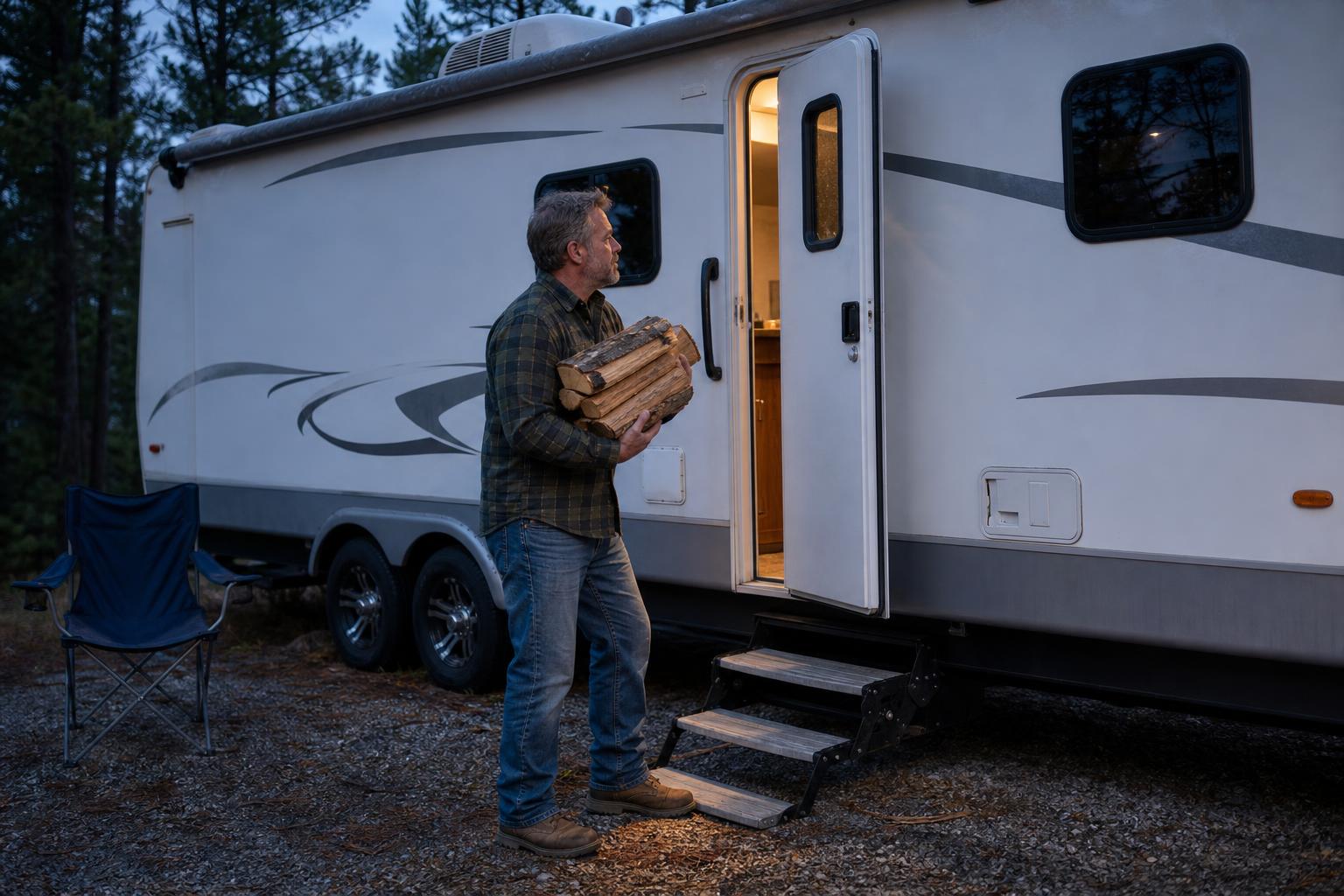
Here's a detail that often gets overlooked until you use one daily. The vast majority of both standard and keyless RV locks use the same clunky paddle-style handle. You either have to awkwardly pull it out or lift it up to open the door.
This design is incredibly inconvenient when your hands are full. Trying to open the door while carrying groceries, a child, or camping gear becomes a clumsy balancing act. It's a design flaw that was simply carried over from old-school locks without much thought for real-world use.
More Than Just an Annoyance: Loud Beeps and Glitches
Finally, there are the little annoyances that can wear on you. Many users complain about the loud, piercing beeps that accompany every button press, especially when trying to lock up late at night in a quiet campground. Additionally, some keypads can become unresponsive in extreme cold or heavy rain, adding another layer of unreliability.
The Next Evolution: How Modern Smart Locks Solve Old Problems
The good news is that technology doesn't stand still. The best new smart RV locks have been engineered specifically to address the pain points of older keyless models. They've moved beyond simple keyless entry to offer smarter, more reliable solutions.
Solving Battery Death with Multiple Backup Plans
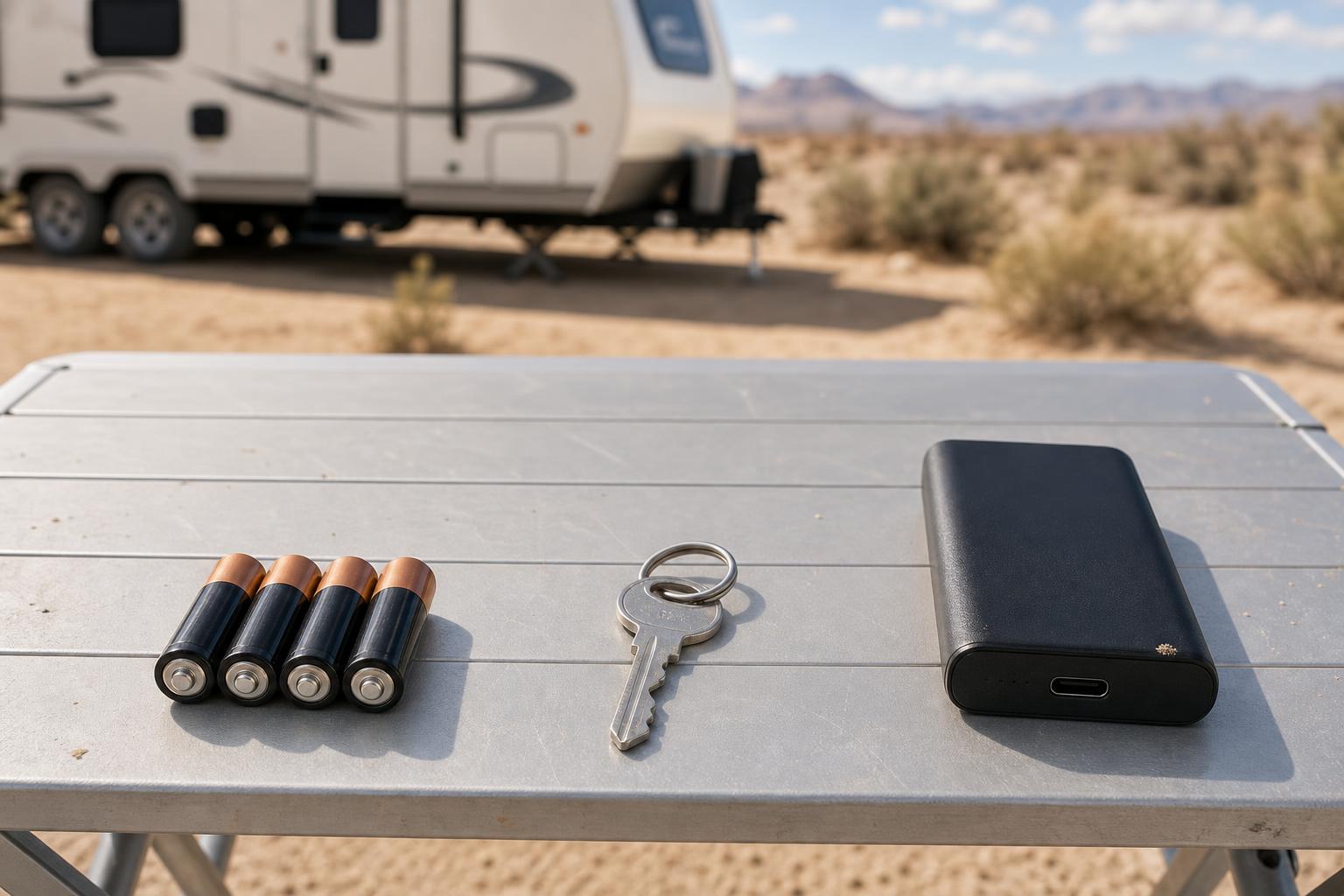
Modern smart locks have all but eliminated "battery anxiety" by building in multiple layers of protection. First, they provide clear, early low-battery warnings so you're never caught by surprise. But the real innovation is the emergency power option.
Many now include a discreet Type-C USB port. If the batteries die completely and you don't have your backup key, you can simply connect a standard power bank to the port. This provides enough temporary power to operate the keypad and get inside—no panic, no drama.
Redefining Convenience with an Ergonomic Down-Press Handle
The most thoughtful improvement addresses the clumsy handle design. Instead of a pull-out paddle, the SAWHERO R8 Smart RV Lock introduces a residential-style, down-press handle. This is the first RV lock brand to use this ergonomic design, and it makes a world of difference.
Imagine returning to your camper with both arms full of firewood. Instead of fumbling, you just use your elbow to press the handle down and the door swings open. This simple change transforms the act of entering your RV from a chore into an effortless motion, delivering on the true promise of convenience.
Enhancing Security From the Inside Out
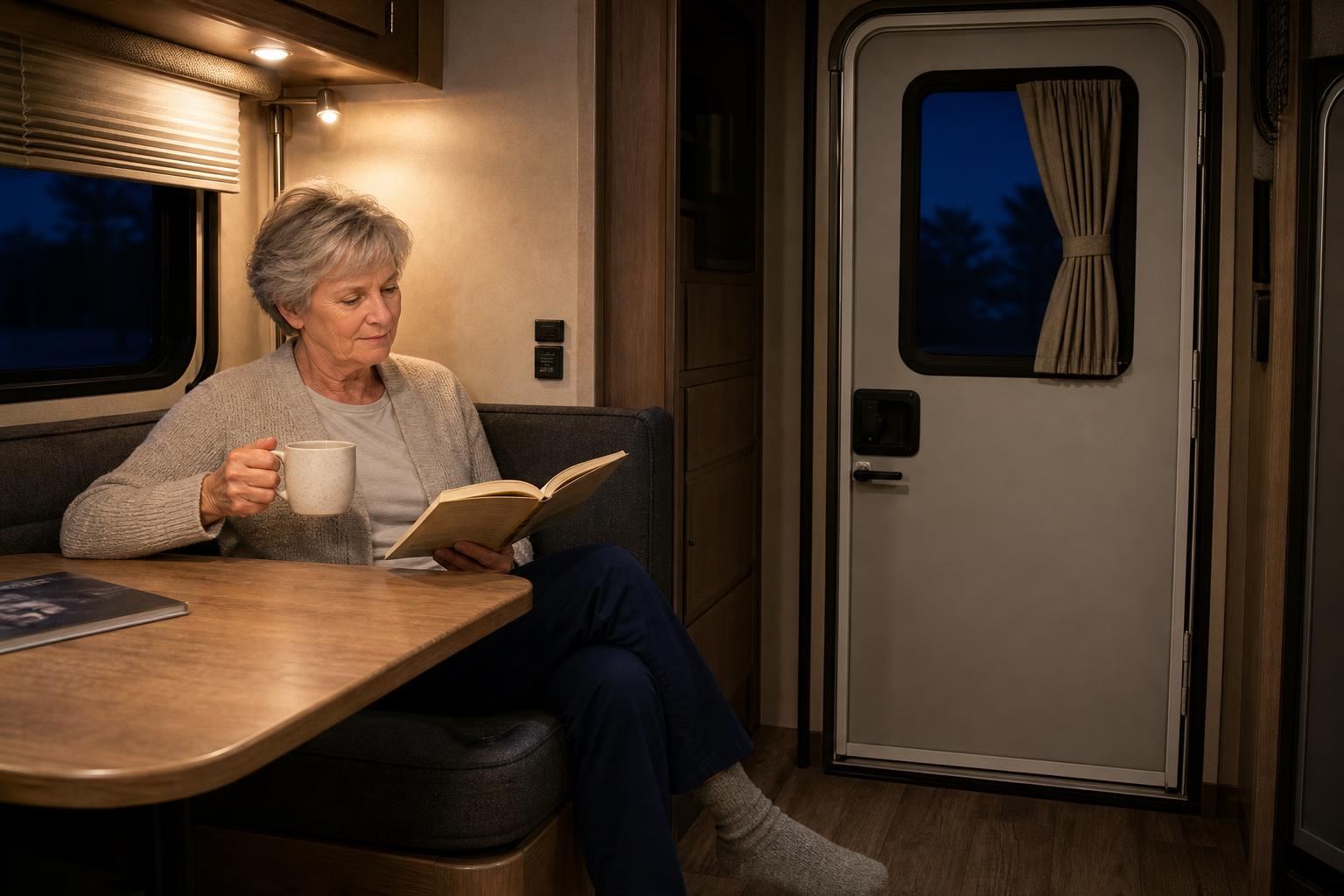
True security isn't just about keeping people out; it's about feeling safe when you're inside. While a unique code is a great first step, advanced locks add another layer of control. Some models now include a third, interior-only mechanical deadbolt.
When you're settled in for the night, you can engage this internal lock. Once it's thrown, no outside method—not a keypad code, not an app, not even the physical backup key—can open the door. It provides total peace of mind, knowing you have ultimate control from the inside.
Frequently Asked Questions about RV Door Locks
Still have questions? You're not alone. Here are answers to some of the most common queries RVers have when choosing a new door lock.
Are keyless RV locks worth the money?
For many, yes. If you value convenience, travel with family, frequently engage in outdoor activities, or rent out your RV, the benefits are well worth the investment. However, if you're on a tight budget or prefer the absolute simplicity of mechanical systems, a quality standard lock is a perfectly good choice.
How long do batteries last in a keyless RV lock?
Most keyless locks run on four AA batteries. According to manufacturer specs and user reports, a fresh set typically lasts about six months with normal use. It's a good practice to change them every six months or before any extended trip, just to be safe.
Can I install a keyless RV lock myself?
Absolutely. The installation process for most models is designed for DIYers and is surprisingly simple. Reviews consistently show that replacing an old lock with a new one usually takes about 10-15 minutes and only requires a standard Phillips screwdriver.
Are all keyless RV locks more secure than standard ones?
In terms of access control, yes. A unique passcode is a significant upgrade over factory-installed locks, which, as a review from RVshare noted, can often be opened by the same master key. However, for physical strength against forced entry, the security depends on the lock's construction materials, with metal being superior to plastic.
What happens if my keyless lock gets wet?
Reputable keyless locks are built to be weather-resistant, with ratings like IP54 that protect them against dust and splashing water. This is sufficient for normal rain and outdoor conditions. However, they are not fully waterproof, so you should avoid spraying them directly with a high-pressure hose.
How do I know if a keyless lock will fit my RV door?
This is the most critical step. Compatibility is not universal. Before you buy, you must measure your door's opening cutout (typically around 2.75" x 3.75"), the door's thickness (often about 1.5"), and confirm your door is right-hinged. Reputable brands provide a detailed compatibility guide to walk you through the measurements.
Final Verdict: Making the Right Choice for Your Travel Style
So, in the matchup of keyless RV lock vs standard lock, who wins? The honest answer is: it depends on you and your travel style. There is no single "best" lock for every RVer, only the best lock for your specific needs.
Go with a standard lock if: You are a budget-conscious RVer, a weekend or seasonal camper, or a "technical minimalist" who prizes simplicity and reliability above all else. It's a solid, no-frills choice that will never let you down.
Go with a keyless lock if: You are an active family, a full-time RVer, someone who loves outdoor sports, or anyone who is simply tired of juggling keys. The convenience is transformative and, with modern smart locks, the old reliability concerns have been effectively solved.
Ultimately, the choice is yours. By exploring the options at SAWHERO and understanding the trade-offs, you can make a confident decision that enhances both your security and your enjoyment of the open road.


