

RV Door Lock Won’t Latch After Replacement
There's nothing more frustrating. You've just spent time upgrading to a new RV lock, picturing the convenience and security. You get back to the campsite late, the kids are tired, and when you go to close the door... it just bounces back open. Your new RV door lock won’t latch, and a simple upgrade has become a major headache.
Let's be real: it's a common problem. The good news is that it’s almost never an issue with the quality of the lock itself. In most cases, the culprit is a tiny, fixable misalignment between the lock's latch and the striker plate on your door frame.
This guide will walk you through a simple, step-by-step troubleshooting process, from easy diagnostics to proven fixes. We'll help you pinpoint the exact cause and get that door latching smoothly, so you can have peace of mind on your journey.
Common Reasons Your New RV Lock Fails to Latch
Before you start loosening screws, it helps to understand the common reasons for this frustrating latching problem. An RV lock that fails to engage after a replacement almost always comes down to one of these common culprits. Understanding them is the first step in effective RV lock troubleshooting.
The Telltale Signs of Striker Plate Misalignment
This is, by far, the most common reason your new lock isn't working—accounting for the vast majority of cases. The latch bolt on your new lock needs to slide perfectly into the hole of the striker plate on the door frame. Even a millimeter of difference can cause the latch to hit the metal plate instead of entering the opening.
According to a discussion on Reddit, one user perfectly described this experience after installing a new lock, saying the "door seems to not close deep enough for the latch to catch in the striker plate." This slight offset is just enough to prevent a secure closure.
How an Uneven RV Can Silently Sabotage Your Lock
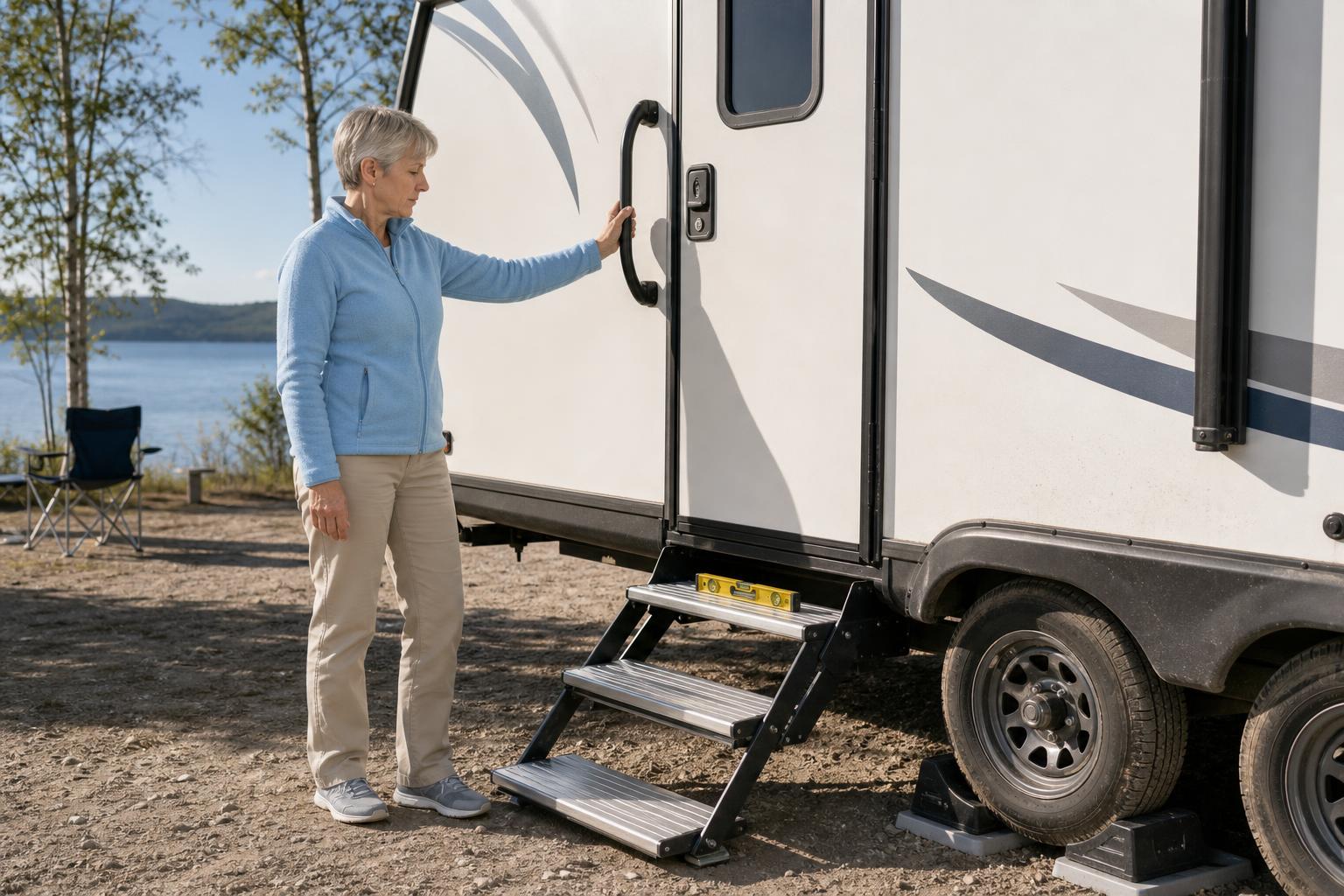
Imagine a solo traveler who just installed a new smart lock. They pull into a scenic, but sloped, campsite and suddenly the door won't close. The initial thought is a faulty lock, but the real issue is the RV itself. Unlike a house, an RV's frame can twist slightly when parked on uneven ground, warping the door frame just enough to throw off the lock's alignment.
This is a uniquely RV-specific problem. Before you blame the lock or your installation work, always make sure your rig is completely level. According to RV experts at Camping World, this simple step solves more issues than people realize. Sometimes, simply leveling your RV is all it takes to fix the latching issue.
Installation Pitfalls: Overtightened Screws and Pinched Wires
The installation process itself can introduce problems. Over-tightening the mounting screws is a frequent mistake that can warp the lock's housing, causing the internal mechanism to bind. Screws should be snug, not torqued down with excessive force, to avoid this smart RV lock problem.
For electronic locks, if the wires connecting the keypad get pinched between the lock body and the door, it can cause malfunctions. It’s also crucial to confirm compatibility before installation. For example, the SAWHERO R8 is designed for right-hinged doors with a thickness of about 1.50 inches and a cutout of roughly 2.75 x 3.75 inches. An incompatible lock will never align properly.
A Step-by-Step Guide to Fix Your Latching Problem
Ready to figure out exactly what's wrong? These quick tests will help you diagnose the issue like a pro, saving you time and frustration. All you usually need is a Phillips head screwdriver.
Performing an Initial Function Check with the Door Open
First, with the door wide open, operate the lock. Turn the handle, use the key, and if it’s a smart lock, use the keypad or remote. Does the latch bolt extend and retract smoothly every single time?
If the lock works perfectly with the door open, you can be confident the lock itself is fine. The problem lies in how the lock interacts with the door frame. If it binds or sticks, the issue is likely with the installation, such as over-tightened screws causing the body to warp.
Diagnosing the Exact Point of Misalignment
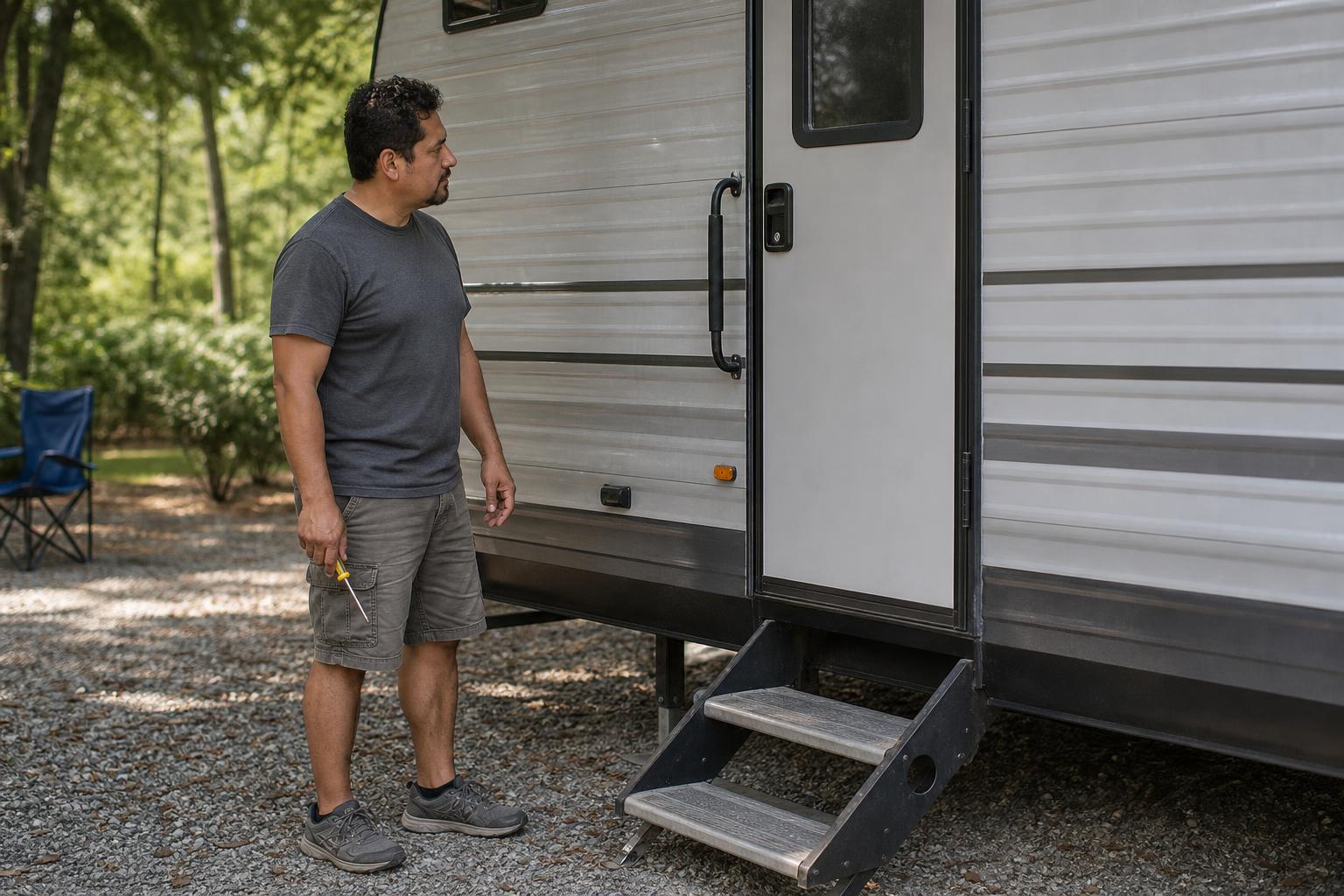
Here's a great trick used by RV techs. Slowly close the door until the latch bolt makes contact with the striker plate. Look closely for small scratches or shiny spots, often called "witness marks." These marks show you precisely where the latch is hitting—is it too high, too low, or not reaching the opening at all? This gives you a clear roadmap for your adjustments.
If you're still unsure, this next test will give you a definitive answer. Use your screwdriver to completely remove the striker plate from the door frame. Now, close the door. If it swings shut, you have confirmed the problem is the alignment between the latch and the striker plate.
Adjusting the Striker Plate for a Smooth Fit
Based on your witness marks, you know which way the striker plate needs to move. Slightly loosen the two screws holding it to the door frame—just enough so you can nudge it, but not so loose that it falls off. Gently move the plate up, down, or sideways to center the opening where the latch needs to go. Tighten one screw, test the door, and repeat until it latches smoothly.
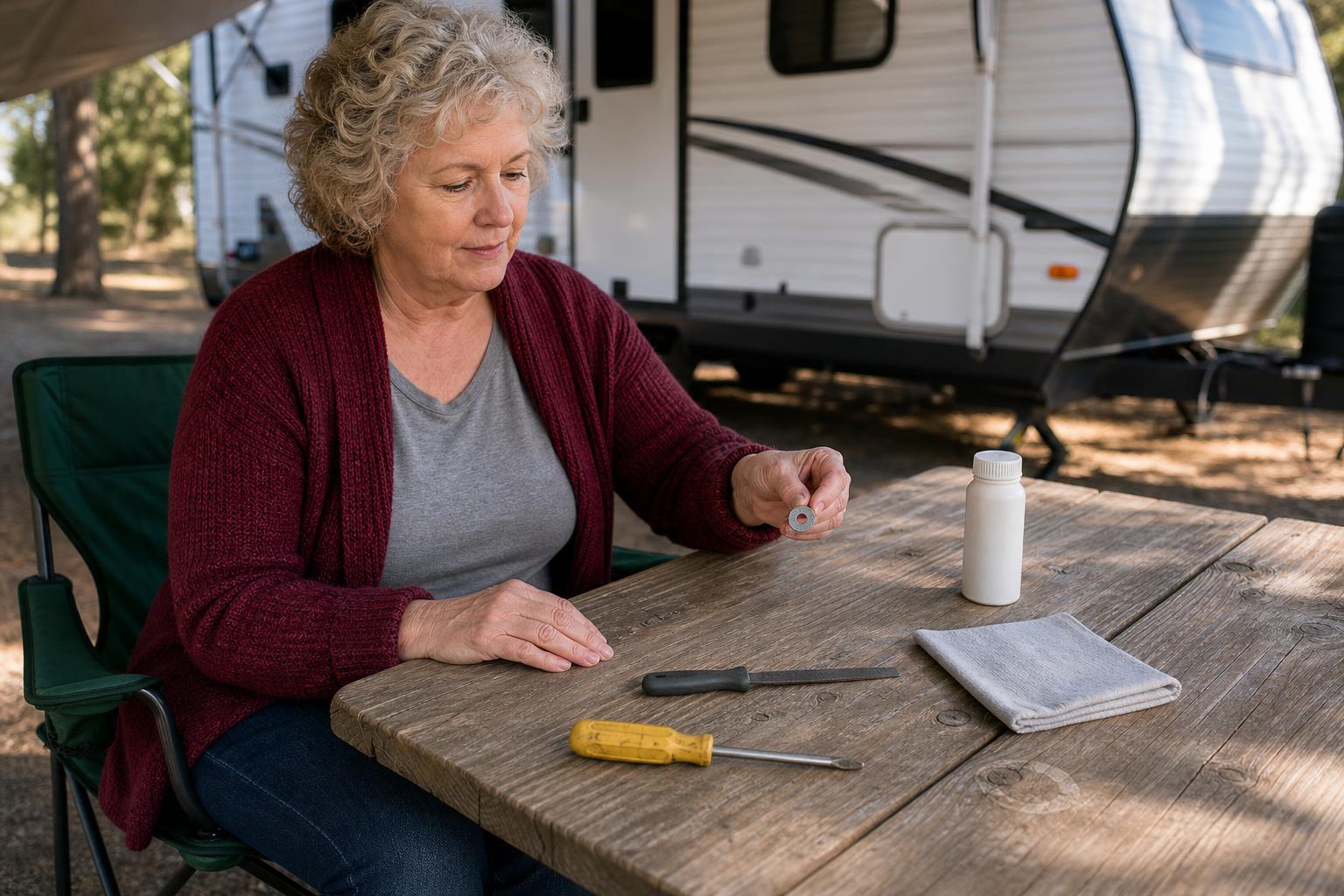
If the latch isn't going deep enough, you may need to "shim" it. This happens when new weatherstripping is too thick. Simply place thin washers behind the striker plate at each screw hole. As many RVers on iRV2.com forums have noted, this is a very common and effective trick to solve this latching issue.
Your RV Lock Troubleshooting Decision Matrix
Feeling overwhelmed? This table breaks down common symptoms, their likely causes, and the specific fixes you can apply. Find the symptom that matches your issue to get on the fast track to a solution.
| Symptom | Likely Cause | Quick Fix | Advanced Fix |
|---|---|---|---|
| Door bounces back open unless deadbolted. | Latch isn't engaging deep enough with the striker plate. | Add shims/washers behind the striker plate to move it outward. | Check for thick or folded weatherstripping preventing the door from closing fully. |
| You hear a 'clank' as the latch hits the plate frame, not the hole. | Vertical or horizontal misalignment. | Loosen the striker plate screws and slightly move it up, down, or sideways to align with the latch. | Use a metal file to carefully enlarge the striker plate opening. |
| Door feels 'spongy' and requires a hard push to close. | New weatherstripping is too thick, or the lock body is installed too tightly. | Loosen the main lock installation screws slightly and re-tighten them evenly. | Inspect and adjust or replace the weatherstripping. |
| Lock handle is stiff or latch won't retract smoothly (with door open). | Overtightened screws are warping the lock housing, or internal wires are pinched. | Disassemble the lock and re-install, ensuring screws are snug but not overtightened. | Check manufacturer's guide for specific torque requirements. |
Advanced Fixes and Preventative Maintenance
If basic adjustments haven't solved your RV keypad lock issue, a few more steps can help. These address less common problems and help you maintain your lock for long-term reliability.
When and How to Carefully Enlarge the Striker Plate Opening
If tiny adjustments and shims don’t quite solve it, you may need to slightly enlarge the opening in the striker plate. This should be a last resort. Using a small metal file, carefully file the edge where the latch is hitting. Remember to work slowly: file a little, then test the door. Repeat until the latch engages without resistance.
Proper Lubrication and Hinge Checks
Sometimes, the issue isn't the lock but friction elsewhere. Use a dry lubricant like graphite or a silicone spray on the latch mechanism and striker plate. As RV maintenance experts at RVTravel.com often advise, avoid oil-based products like WD-40, which attract dust and can gum up the works over time. Also, check that your door's hinge screws are tight, as a sagging door is a common cause of misalignment.
Consulting Manufacturer Guides and Resources
When in doubt, turn to the experts. The manufacturer of your lock provides the most authoritative information for installation and troubleshooting. If you're still struggling, don't hesitate to consult official guides or support channels from SAWHERO. For a wide range of topics, you can also explore our comprehensive help center for more tips.
Frequently Asked Questions About RV Lock Latching Issues
Here are answers to some of the most common questions RVers have when a new lock doesn't latch properly.
Why won't my camper door shut properly after replacing the lock?
The most common reason is a misalignment between the new lock's latch and the existing striker plate on the door frame. Other potential causes include the RV not being level, installation screws being overtightened, or new, thick weatherstripping preventing the door from closing fully.
What tools do I need to adjust an RV door lock?
In most cases, all you need is a Phillips head screwdriver to adjust the striker plate. For more advanced fixes, you might need a few thin washers to use as shims or a small metal file for modifying the striker plate.
Can overtightening the screws really cause the lock not to latch?
Absolutely. Applying too much or uneven torque to the installation screws can slightly warp the lock's housing. This distortion can cause the internal mechanisms to bind, preventing the latch from extending or retracting smoothly.
My screen door latch is now misaligned with the main door. How do I fix that?
This is a common side effect. The fix is similar: you can usually adjust the striker plate for the screen door latch on the main door's frame. In some cases, you may also need to check the screen door's own hinges for sagging.
Is it better to file the striker plate or use shims?
Always try using shims (washers) first. This is a non-permanent, easily reversible solution. Filing the striker plate is a permanent modification and should only be done as a last resort when you are certain a slight enlargement of the opening is the only remaining solution.
Achieving a Smooth, Secure Latch Every Time
Discovering your new RV door lock won’t latch is a frustrating setback, but it's rarely a sign of a defective product. More often, it’s a simple alignment issue that you can solve yourself with a little patience and systematic troubleshooting. By checking your RV's level, diagnosing the misalignment, and carefully adjusting the striker plate, you can achieve a smooth, secure fit.
Imagine you rent out your travel trailer. Before the next family arrives, you run a quick check and notice the main door needs a hard slam to close. Using this guide, you identify the striker plate is slightly off, make a two-minute adjustment, and ensure your guests have a seamless, frustration-free experience.
A door that closes and latches smoothly with a satisfying click isn't just a convenience—it's a core part of feeling secure on the road. Now that you know how to tackle this common issue, you're better prepared for life on the move.
Ready to ensure your RV is truly secure? Explore the SAWHERO R8 Smart RV Lock for a reliable and user-friendly upgrade to your travel experience.


