

Upgrading Your Lock: More Than Just a Security Boost
Upgrading your towable camper door lock is one of the smartest moves you can make for both security and convenience. Many RVs roll off the lot with locks using a common key, like the CH751—a security flaw noted across RV owner forums. Switching to a unique lock immediately boosts your peace of mind and opens up a world of convenient, key-free living.
But here's the reality: choosing the right towable camper door lock isn't about flashy features first. The biggest challenge is ensuring it physically fits your door. A lock with all the latest tech is useless if you can't install it.
This guide will walk you through a clear process, starting with the most critical step: measurement. We'll help you confirm compatibility before you even think about features, ensuring your towable camper door lock replacement is a success. Ready to find the perfect lock without the guesswork? Let's dive in.
Measure Twice, Order Once: The Non-Negotiable Compatibility Check
Before you get lost in comparing keypads and Bluetooth apps, stop. The single most important step is measuring your current door setup. This is where most buying mistakes happen, leading to frustrating returns. Don't just assume your door is "standard."
While many replacement locks are designed for common cutout sizes, slight variations between RV brands can make a huge difference. Taking a few minutes to measure will save you hours of headache later. Grab a tape measure, and let's get the exact numbers you need for your next towable camper door lock.
Verifying Your Door's Hinge Direction
Stand outside your camper and face the door. If the hinges are on the right side, you have a right-hinged door. If they're on the left, it's a left-hinged door. It’s a simple check, but getting it wrong means your new lock won't work.
The vast majority of aftermarket camper door locks, like the SAWHERO R8, are designed for the more common right-hinged doors. If you have a left-hinged door, your options will be more limited, so pay close attention to this detail in product descriptions.
Measuring Door Thickness and Opening Cutout Accurately
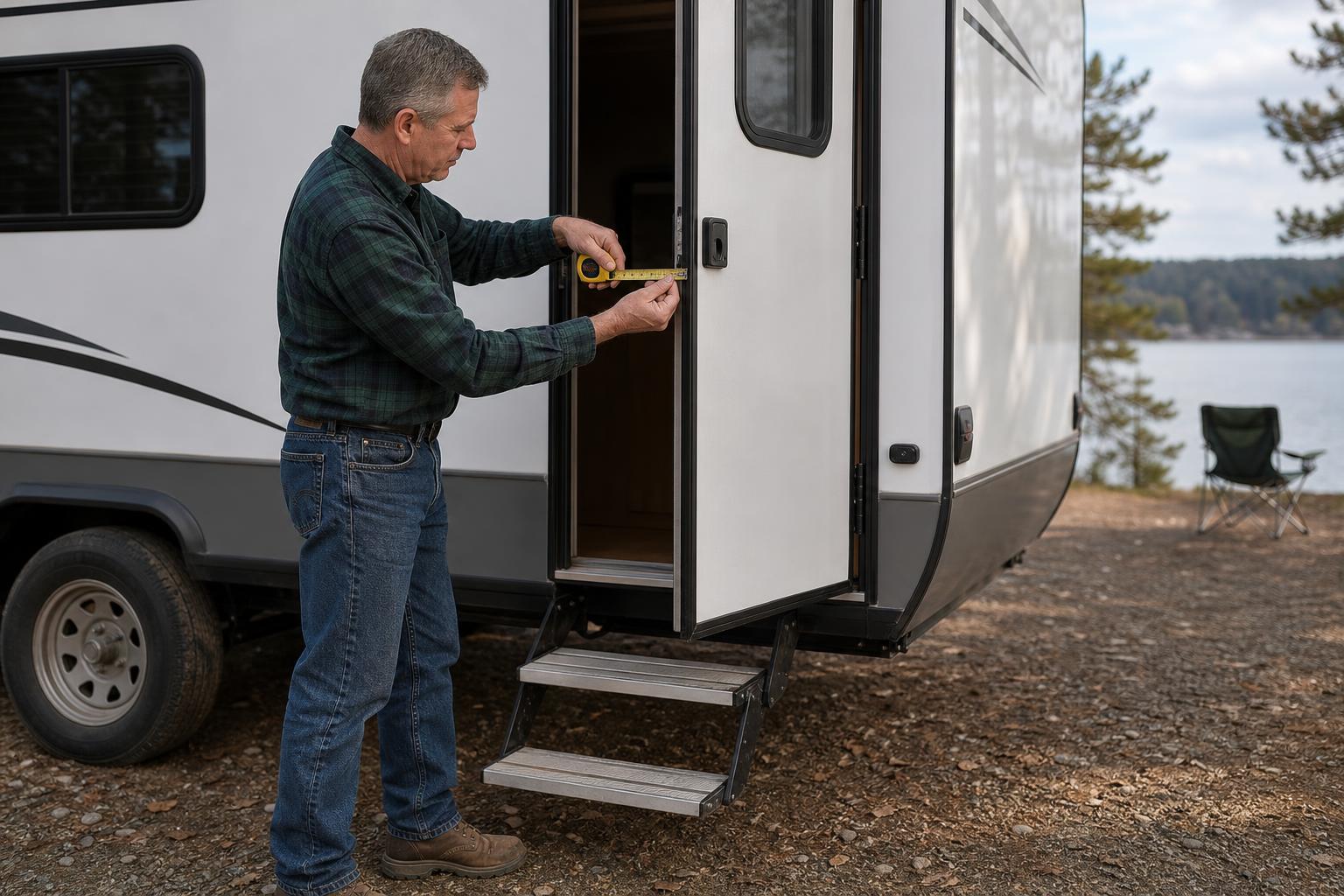
Now, let's get the numbers. Most travel trailer doors fall between 1.25" and 1.5" thick, but you need your exact measurement. Compare it to the lock's requirements to ensure a perfect fit.
Here’s what to measure for a lock like the SAWHERO R8:
- Door Thickness: Your door should be approximately 1.50 in (3.81 cm) thick.
- Cutout Opening: The hole left by your old lock must be about 2.75 in wide × 3.75 in high (6.99 × 9.53 cm).
- Side Clearance: Ensure there is at least 1 7/8 in (4.76 cm) of clear space from the handle's edge to any screen door frame or other obstacle.
Why Household Lock Terms Like "Backset" Don't Apply
You might see the term "backset" in general lock installation guides. Let's clear this up: backset is a measurement for household door locks, defining the distance from the door's edge to the center of the doorknob.
This is not relevant for most RV door latches, which are self-contained units. Trying to measure a backset will only cause confusion. Stick to the three critical measurements above: hinge direction, thickness, and cutout size.
Keyed vs. Keyless: A Smart RV Lock Comparison
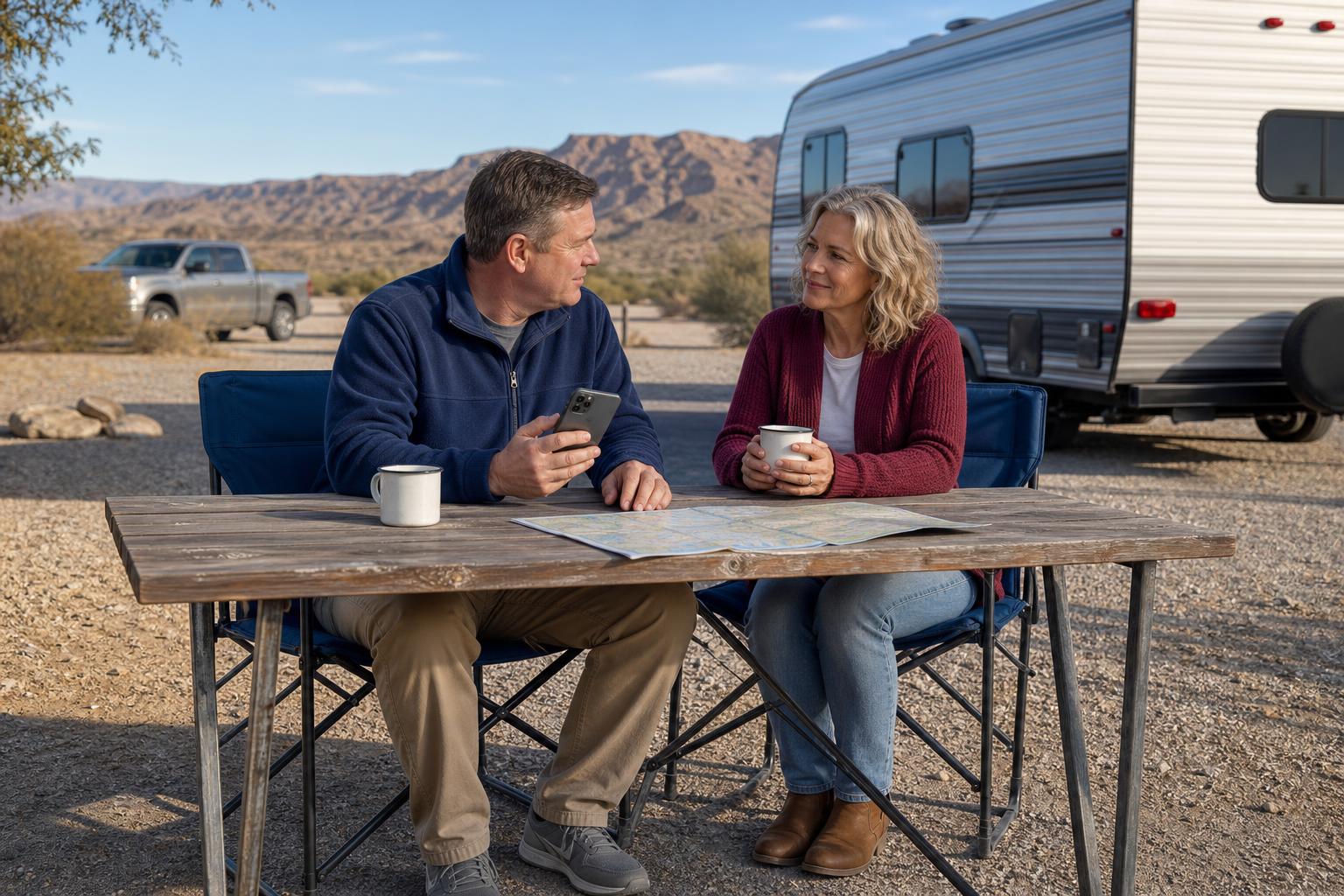
Once you’ve confirmed your door’s measurements, you can confidently explore the different types of locks available. The choice for your next towable camper door lock largely comes down to your lifestyle, budget, and how you use your camper. Do you want simple reliability or modern convenience?
Your main options fall into three categories: classic keyed locks, electronic keypad locks, and smart Bluetooth locks. Each has distinct advantages, while a modern option like the SAWHERO R8 Smart RV Lock combines multiple entry methods for ultimate flexibility.
Decision Matrix: Choosing Your Lock Type
Wading through features can be overwhelming. This table breaks down the pros and cons of each lock type to help you decide which is the best fit for your adventures.
| Feature | Classic Keyed | Electronic Keypad | Smart Bluetooth |
|---|---|---|---|
| Convenience | Low (Requires carrying a physical key) | High (Key-free entry, great for outdoor activities) | Highest (App, remote, and keypad options) |
| Security | Medium (Vulnerable to common keys, no electronic risk) | High (Unique codes, some have anti-peep features) | High (Unique codes plus entry logs) |
| Reliability | High (Unaffected by batteries or weather) | Medium (Depends on battery, keypad can wear out) | Medium (Depends on battery and app stability) |
| Power | None | 4x AA Batteries (Replaced every 6-8 months) | 4x AA Batteries + Phone Bluetooth |
| Initial Cost | $ | $$ | $$$ |
| Best For | Budget-conscious users seeking simple reliability. | Families and those wanting convenient, shared access. | Tech-savvy users needing remote authorization and activity logs. |
Beyond the Basics: Essential Features for Your Next Lock
After settling on a lock type, a few key features can make a world of difference in your day-to-day experience. These details separate an okay lock from a great one. Look for these qualities in your next towable camper door lock to ensure your investment is durable, reliable, and truly user-friendly.
Durability and Weather Resistance
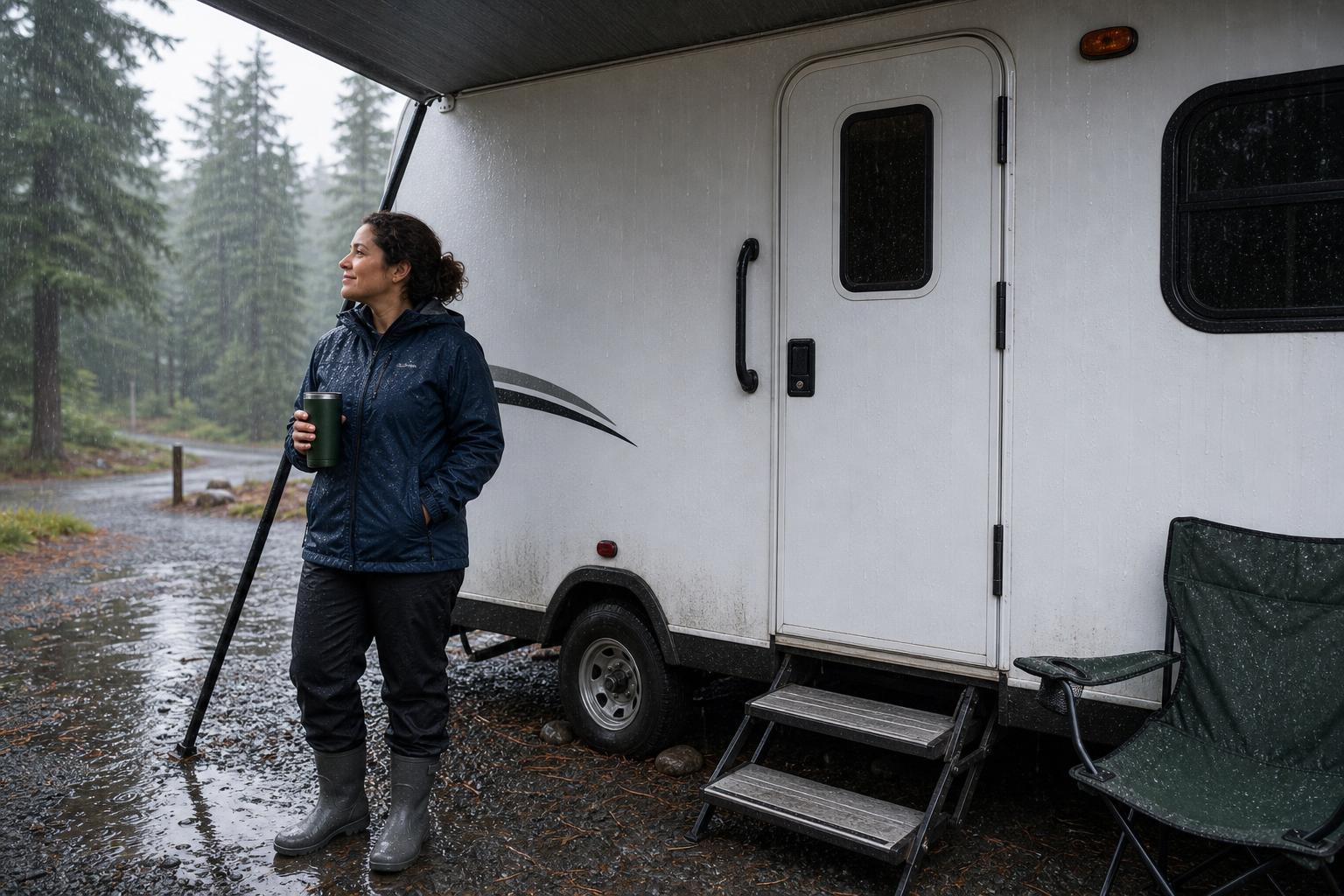
Your camper door lock is exposed to sun, rain, and dust. Look for models constructed from a sturdy zinc alloy to resist corrosion. For electronic locks, keypad material is critical. According to extensive discussions in the r/GoRVing subreddit, a common complaint about older models is that keypads fade, crack, and fall apart after sun exposure. Choose a lock with a silicone keypad to avoid this issue.
Backup Entry Methods Are Non-Negotiable
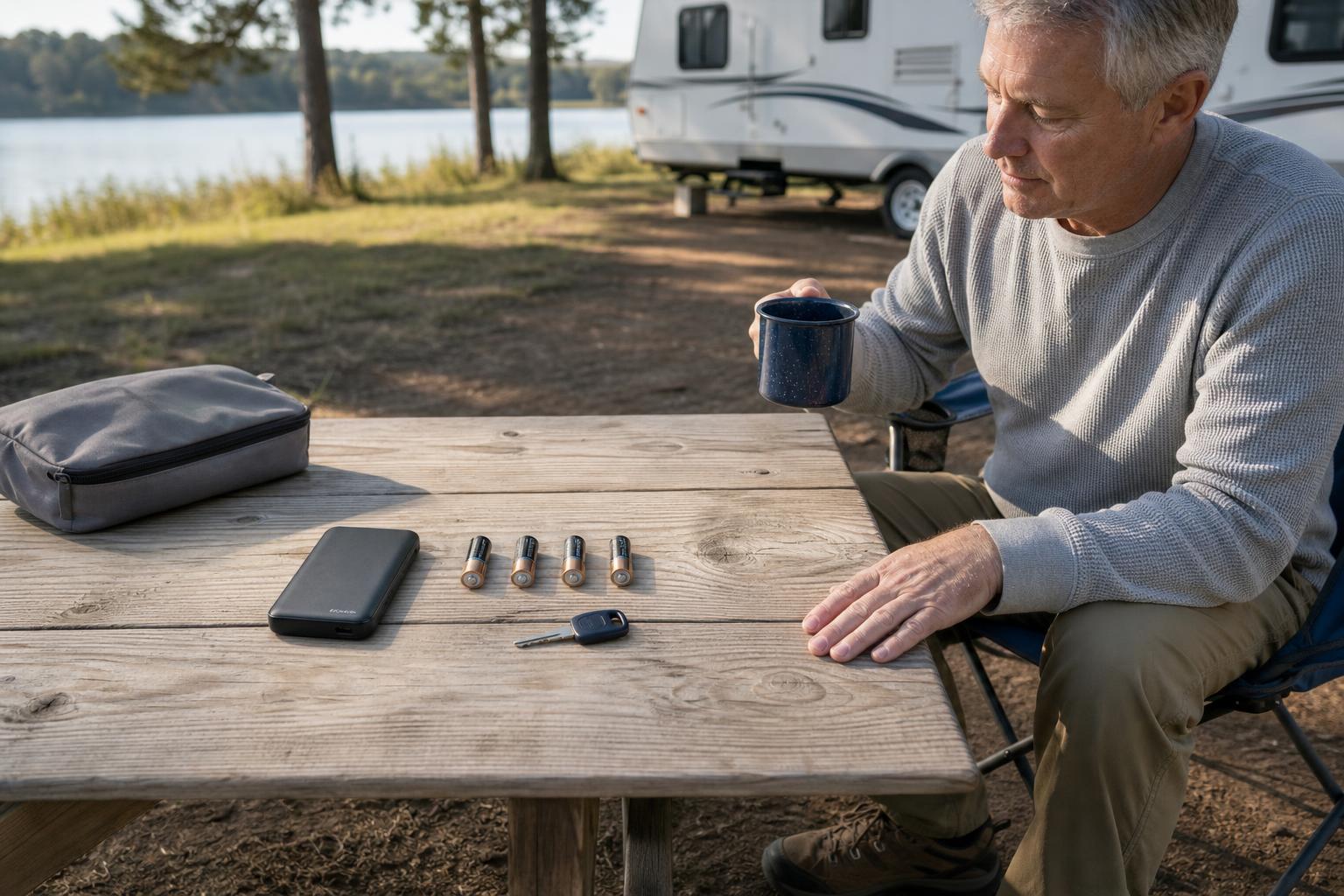
Any keyless RV lock worth its salt must have a backup plan for when electronics fail or batteries die. This isn't just a nice-to-have; it's essential for avoiding being locked out. Look for at least two backup options: a physical mechanical key and a Type-C emergency power port that lets you temporarily power the lock with a power bank.
Handle Ergonomics and Interior Security
Imagine returning to your campsite at dusk, both arms full of groceries. An ergonomic, push-down handle lets you open the door with an elbow or forearm—no fumbling for keys or twisting a stiff latch required. This small design choice dramatically improves daily use.
For added peace of mind, consider a lock with an independent interior mechanical deadbolt. This third layer of security, controlled only from the inside, provides an extra sense of safety when you’re sleeping, as it can't be bypassed by the keypad or key.
Installation and Common Problems Solved
The thought of installing a new lock might seem daunting, but it's one of the easiest DIY upgrades. If you've done your measurements correctly, a towable camper door lock replacement typically takes 10 to 20 minutes and requires just a single Phillips screwdriver.
A smart lock also solves common access problems. If you need to let a friend into your camper or are managing a rental, you can issue a temporary code. This is far more secure and convenient than coordinating a physical key handover.
A Simple DIY Installation Process
The process is surprisingly straightforward. You'll typically start by removing the four screws on the interior handle and two screws on the side strike plate of your old lock. From there, pull the old unit out, slide the new one in, connect any wires, and secure it. Always check the manufacturer's instructions or find an official installation video to guide you.
Troubleshooting Frequent Lock Issues
Even the best locks can have hiccups. If your mechanism feels sticky, use a dry lubricant like graphite spray, as oily products like WD-40 can attract dirt and gunk up the works. For electronic models, battery issues are the most common culprit. Use high-quality alkaline batteries and plan to replace them every 6-8 months to prevent leaks that can damage the electronics.
If your remote seems overly sensitive, check the manual for adjustment options. Some RVers also recommend storing the fob in a signal-blocking pouch during travel to prevent accidental unlocking.
Frequently Asked Questions About Towable Camper Door Locks
How long do the batteries last in a keyless RV lock?
Typically, a set of four high-quality AA alkaline batteries will last for 6 to 8 months. This can vary based on usage frequency and battery quality. It’s a good practice to replace them annually or before putting your camper into long-term storage.
What happens if the battery dies on my electronic camper lock?
Reputable keyless locks are designed for this scenario. They always include at least one backup method, such as a physical mechanical key. Many also feature a Type-C emergency power port, allowing you to use a portable power bank to temporarily activate the keypad.
Are keyless entry locks for campers secure?
Yes, they are generally more secure than factory-installed locks that often use a universal key. A keyless towable camper door lock provides a unique access code, and many include features like anti-peeping technology and entry logs that enhance security.
Can I install a new towable camper door lock myself?
Absolutely. As long as you purchase a lock that is compatible with your door’s measurements, the installation is a simple DIY project. Most replacements are a direct swap, usually requiring only a Phillips screwdriver and about 15-20 minutes.
Is upgrading to a keyless entry worth it for a towable camper?
According to countless RV owners, it's one of the most worthwhile upgrades you can make. The convenience of not having to carry—and potentially lose—a key while you're out exploring is a massive benefit. Many consider it a game-changer for their camping experience.
Will a new lock fit any travel trailer door?
No, and this is the most critical point. There is no "universal fit" lock. You must measure your door's thickness, the existing cutout opening, and confirm your hinge direction before ordering to guarantee compatibility.
Making the Right Choice for Your Security and Convenience
Choosing the perfect towable camper door lock follows a simple order: measure for compatibility first, then choose your preferred lock type, and finally, look for features that enhance your travels. This approach ensures you get a lock that not only fits but also perfectly matches your lifestyle.
When you’re settled in for the night at a remote campsite, the peace of mind from an interior-only deadbolt is invaluable. It's a small feature that delivers a huge sense of security. Upgrading your lock is an investment that pays off every time you effortlessly enter your camper without a key.
If you have more questions, visit our comprehensive Help Center. When you're ready to upgrade to an ergonomic handle and advanced security, explore the SAWHERO R8 Smart RV Lock on our website.


