

Why Is My RV Lock Code Not Working?
Start Here: The First Three Checks for Any RV Keypad Lock Issue
Before you panic, let's cover the most common culprits. The good news is that most RV keypad lock issues can be solved in a few minutes with some basic checks. These simple steps address the vast majority of problems without needing any special tools.
Checking the Power Source: The Number One Culprit
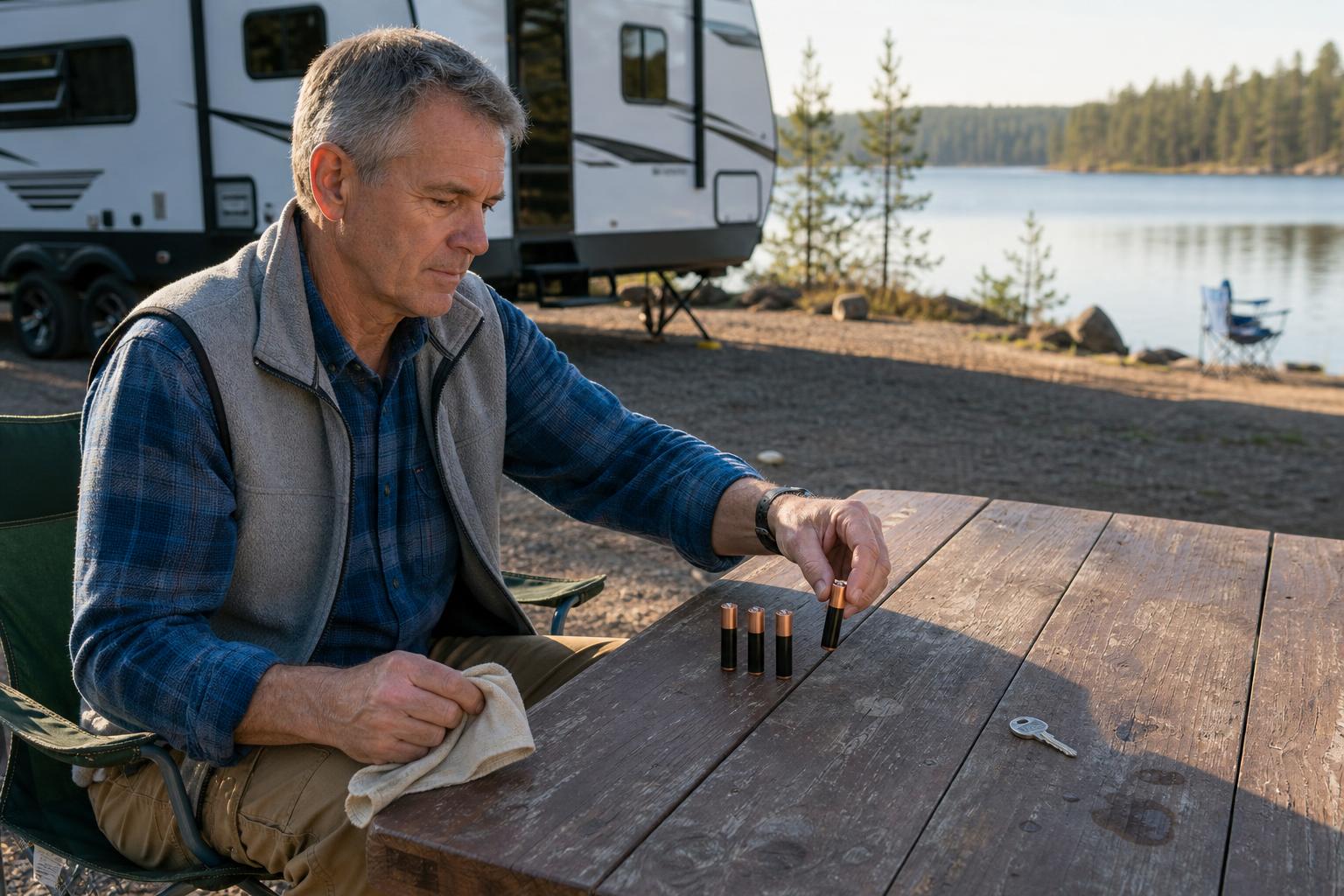
When your RV lock code is not working, the first and most frequent cause is the batteries. Many locks provide audible warnings like beeps when power is low, but these can be easy to miss. Cold weather can also significantly reduce battery effectiveness, making a surprise failure more likely.
Always replace all batteries at once with a fresh, high-quality set like Duracell or Energizer. Weaker or mixed batteries may not provide enough power to operate the deadbolt, even if the keypad lights up. As many veteran owners on forums like iRV2.com suggest, it’s a good practice to replace them annually to prevent getting locked out.
If a dead battery is the likely suspect, our guide on what to do when your RV smart lock battery died offers even more detailed solutions, including how to use emergency power options.
The Ultimate Backup: Using Your Physical Key
Remember, every keyless RV lock comes with a physical key for a reason. It's your most reliable backup plan. It is highly recommended to keep a spare key somewhere safe and accessible outside your RV, like in a lockbox or with your tow vehicle, for exactly these situations.
Cleaning the Keypad Surface for Better Contact
Dirt, dust, and moisture can build up on the keypad, interfering with the connection. This is especially true for capacitive touch keypads that rely on your finger's electrical properties to register a press. Wiping the surface with a clean, dry cloth can sometimes be all it takes.
If you need to use a damp cloth, make sure it's only lightly moistened and avoid spraying any cleaners directly onto the lock. This prevents moisture from seeping into the electronics and causing bigger problems down the road.
Diagnosing the Problem: A Symptom-Based Troubleshooting Chart
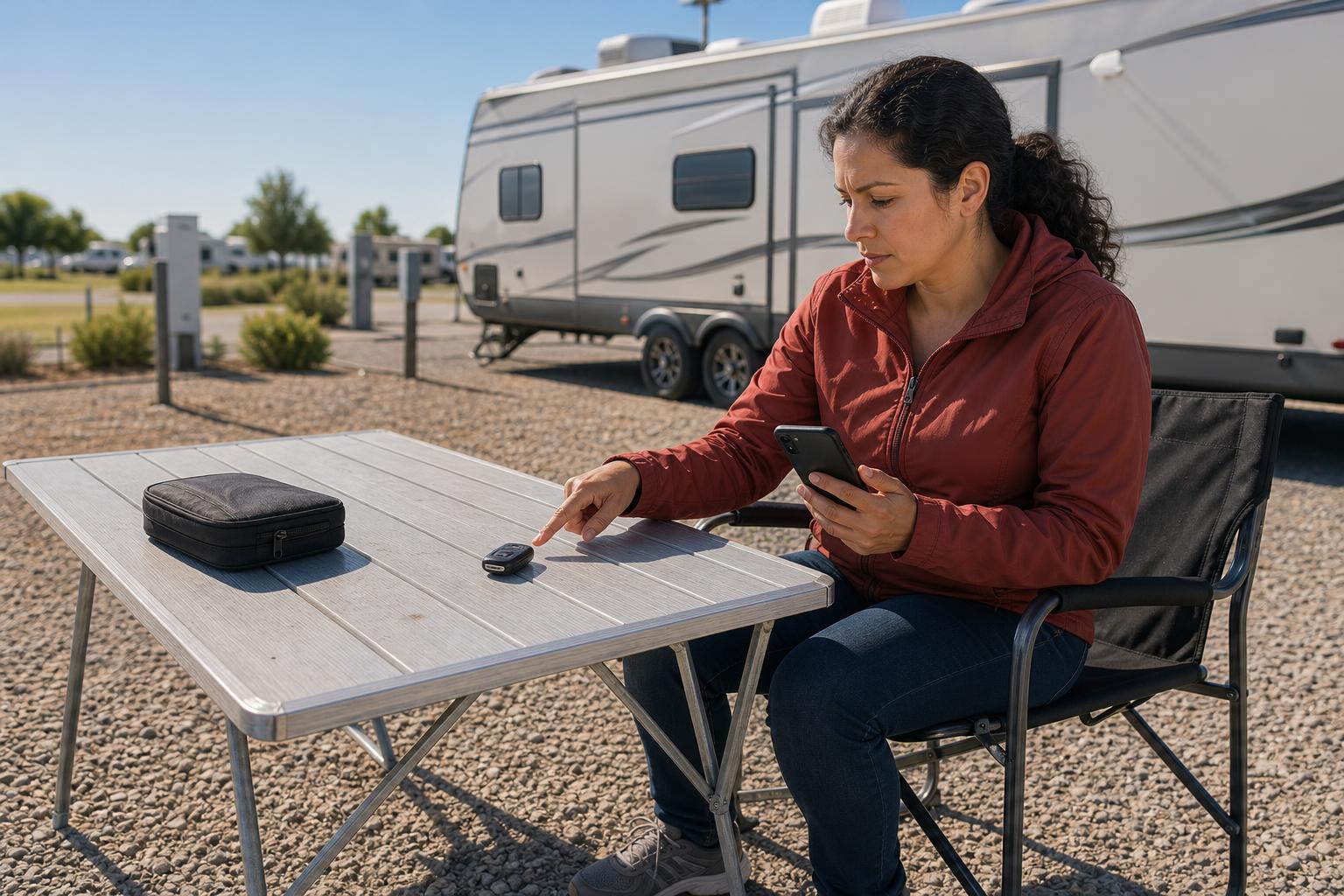
If the initial checks didn't work, let's get more specific. Your lock's behavior is a clue to what's wrong. Use this chart to match your lock's symptoms with the most likely cause and solution.
| Symptom | Potential Cause(s) | Recommended Solution(s) |
|---|---|---|
| Keypad is completely dead (no lights, no sound) | Dead batteries; Poor battery connection; Internal wiring issue. | 1. Replace with fresh, high-quality AA batteries. 2. Check for corrosion on battery contacts. 3. Inspect for loose wires inside the lock. |
| Lock beeps/flashes but doesn't unlock | Insufficient battery power; Incorrect code; Mechanical bolt is binding. | 1. Replace batteries even if there are lights. 2. Re-enter the code carefully. 3. Push or pull the door while entering the code to relieve pressure on the bolt. |
| Keypad beeps rapidly after code entry | Incorrect code entered too many times (lockout mode). | Wait 10-20 minutes without touching the keypad, then try the correct code again. |
| Remote fob not working | Fob battery is dead; Fob needs re-syncing. | 1. Replace the battery in the fob. 2. Follow manufacturer instructions to re-pair the fob. Learn more about the differences between a keypad vs. a remote RV lock. |
| Lock behaves erratically (e.g., locks on its own) | Signal interference; Early signs of moisture damage or electronic failure. | 1. Check for nearby electronic devices causing interference. 2. Reset the lock. If the problem persists, inspect for water damage. |
Resetting Your Code: A Brand-Specific Walkthrough
Sometimes, the lock's memory can get scrambled, and the only solution is to reset the code. The process varies significantly between brands, so finding the right instructions is key. Here’s a look at some of the most common RV locks on the market.
Resetting Common Aftermarket Locks like RVLock
RVLock is a popular aftermarket choice. To reset most of their models, you'll need a paperclip. With the door open, press and hold the "Code Reset" button on the interior part of the lock until you hear a beep. This typically resets the code to the factory default, which is often "1234".
Handling Factory-Installed Systems from Lippert (LCI) and Bauer
Factory-installed locks can be a bit different. For some Lippert (LCI) systems, you might need to contact customer care with your lock's serial number to get a master code for resetting. It’s an extra step, but it’s for security.
For a Bauer NE lock, the factory default code is often "3, 7, 1, 5" followed by Enter. To set a new code, you usually press and hold the "3|4" and "Enter" buttons for a couple of seconds until it beeps, then you can input your new 4-digit code.
General Steps for Other Brands (Global Link, TriMark)
Other brands like Global Link and TriMark have their own unique procedures. You might need to enter a 5-digit "Authority Code" or press and hold specific key combinations. When in doubt, the user manual is your most reliable source for these brand-specific instructions.
Beyond the Code: When the Problem Is Physical or Environmental
If you've tried all the power and code-related fixes and are still locked out, the issue might be physical. Wear and tear, moisture, and even signal interference can cause a perfectly good code to fail.
Dealing with Worn-Out Keypads and Moisture Damage
Over time, the membrane covering the keypad buttons can crack or wear out, making them unresponsive. This is a common point of failure on locks that have seen years of use and sun exposure.
Moisture is another major enemy of electronics. Some RV owners in forums have reported their locks failing after a high-pressure wash. If you suspect water has gotten inside, you may need to open up the lock to let it dry or, in some cases, replace the unit.
Understanding Signal Interference and Mechanical Jams
If your remote fob is the problem, check for other electronic devices that could be causing RF signal interference. This is rare, but it can happen in crowded campgrounds with lots of wireless signals bouncing around.
Another common issue is a mechanical jam. If your RV has settled or the door has become misaligned, the deadbolt can bind in the door frame. Even if the electronics are working, the motor might not have enough strength to retract a stuck bolt. Try pushing or pulling on the door as you enter the code to relieve the pressure.
Preventing Future Lockouts with a Smarter RV Lock
Troubleshooting is one thing, but preventing the problem from happening again is even better. Modern smart RV locks are designed to eliminate the most common failure points, giving you more peace of mind on the road.
Never Fear a Dead Battery Again: The Power of Backup Options
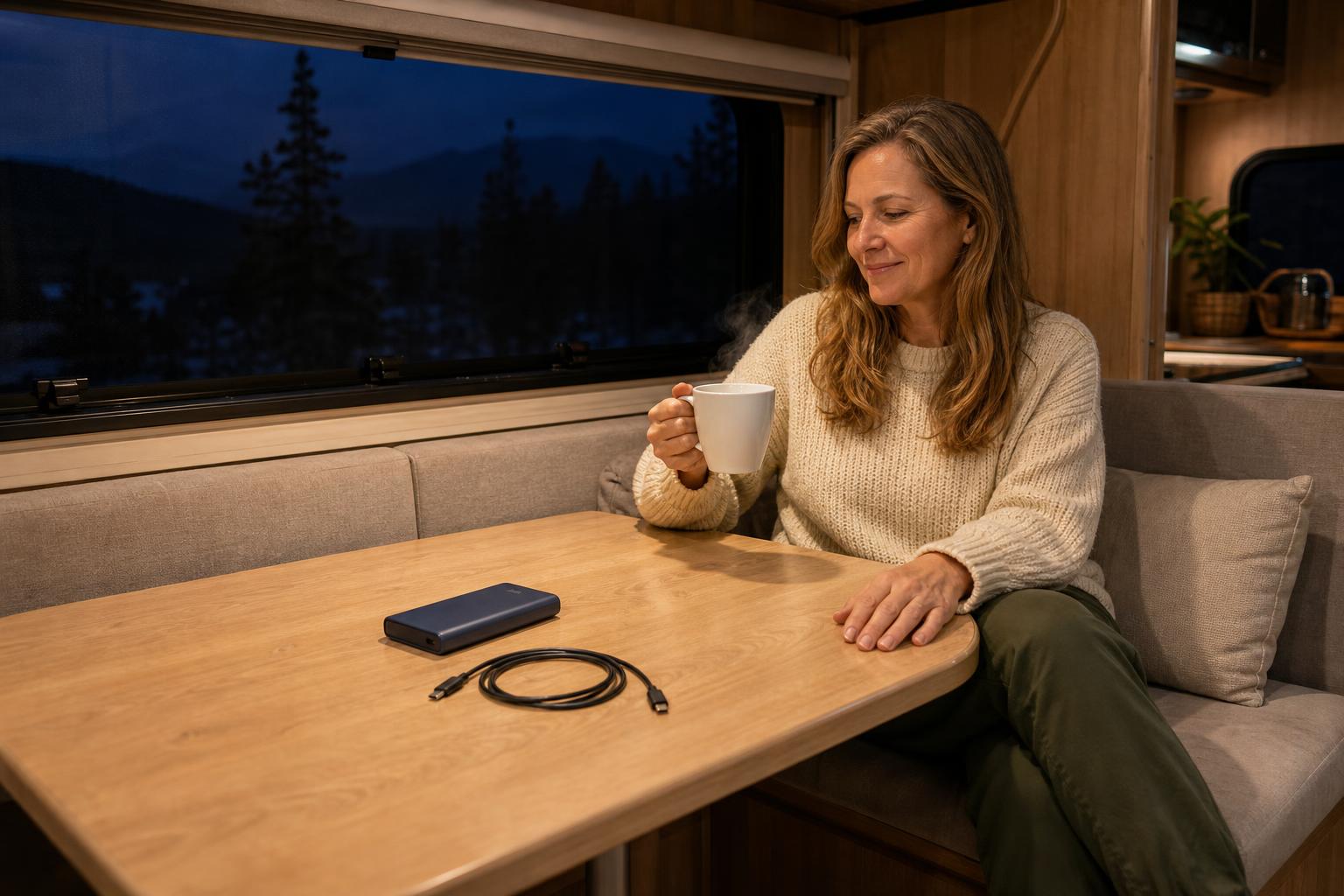
Dead batteries are the top cause of lockouts. Here's a real-world scenario: you pull into a cold, dark campsite after a long drive, only to find the keypad is dead. Instead of fumbling for a hidden key in the dark, a lock with a Type-C emergency power port lets you use a standard power bank to instantly power it up, enter your code, and get inside.
Gaining Control with Flexible Access Management
Here’s another situation: a repair technician needs to get into your RV while you're out exploring. Instead of leaving a key or sharing your main code, a modern lock like the SAWHERO R8 Smart RV Lock lets you generate a one-time temporary code from an app. They get in, do the work, and the code expires, keeping your RV secure.
The Importance of Ergonomics and Internal Security
Smart lock benefits go beyond just access. Imagine returning to your camper with both arms full of groceries. Rather than struggling to pull a latch, a lock with a push-down handle lets you open the door with an elbow. And when you're settled in for the night, an internal-only mechanical lock provides an extra layer of security that can't be bypassed from the outside, letting you rest easy.
FAQ: Your Top RV Lock Questions Answered
How long should batteries last in a keyless RV lock?
There's no single answer, as battery longevity is directly affected by your usage frequency, the climate you travel in, and the quality of the batteries. While a set of high-quality alkaline batteries can last up to 6 months under ideal conditions, frequent use or cold weather will shorten that time. For this reason, many owners make it a habit to replace them annually.
Can I use rechargeable AA batteries in my RV lock?
Most manufacturers advise against it. As locksmith experts point out in troubleshooting guides, rechargeable AAs typically have a lower voltage (1.2V) than alkaline batteries (1.5V). This voltage difference can cause the lock's motor to struggle or trigger premature low-battery warnings.
What do I do if my remote fob stops working but the keypad still does?
First, replace the battery in the fob. If that doesn't work, the fob may have lost its connection to the lock. Most models have a simple re-pairing process, often involving pressing a "FOB Learn" button on the interior part of the lock.
Can I install a new keyless RV lock myself?
Absolutely. Most aftermarket keyless RV locks are designed for DIY installation and typically only require a Phillips head screwdriver. If your door dimensions match, you can usually swap one out in about 10-15 minutes.
Is it possible to have multiple user codes on one RV lock?
Yes, many modern smart locks, including the SAWHERO R8, support multiple user codes. Some can store up to 200 numeric passwords, allowing you to create different codes for family members, friends, or renters.
What happens if I enter the wrong code too many times?
Most electronic locks have a security feature that initiates a temporary lockout mode after several incorrect attempts (usually 5). The keypad will become unresponsive for a few minutes to deter tampering. Simply wait it out and then try the correct code again.
Are keyless RV locks secure against break-ins?
Keyless locks offer a significant convenience upgrade and are designed to be as secure as traditional mechanical locks. For added peace of mind, look for features like an interior-only deadbolt. You can find more information on RV security at our Help Center.
Your Next Step to a Hassle-Free RV Experience
Being locked out of your RV is a stressful detour you don't need on your adventures. As we've covered, most issues when your RV lock code is not working have a straightforward fix, usually starting with the batteries. Following a clear troubleshooting path can get you back inside quickly.
But for a truly seamless experience, consider if it's time for an upgrade. A modern smart lock can prevent these headaches altogether with smarter power management, flexible access controls, and user-friendly design. It's an investment in convenience and security for all your future travels.
Ready to put lockouts in your rearview mirror? Explore SAWHERO RV Locks and discover a more reliable way to secure your home on wheels.


