

Upgrading to a smart lock for your RV sounds like a no-brainer. The promise of ditching clumsy keys for the ease of a keypad or your phone is tempting for any traveler. But before you make the switch, it's crucial to look beyond the hype and understand the real-world trade-offs.
This guide dives deep into the smart RV lock pros and cons, from game-changing convenience to the hidden headaches that manuals don't mention. We'll give you a clear, honest look at whether this popular keyless RV lock upgrade is truly worth it for your rig and your travel style.
The Keyless Convenience: Is the Hype Justified?
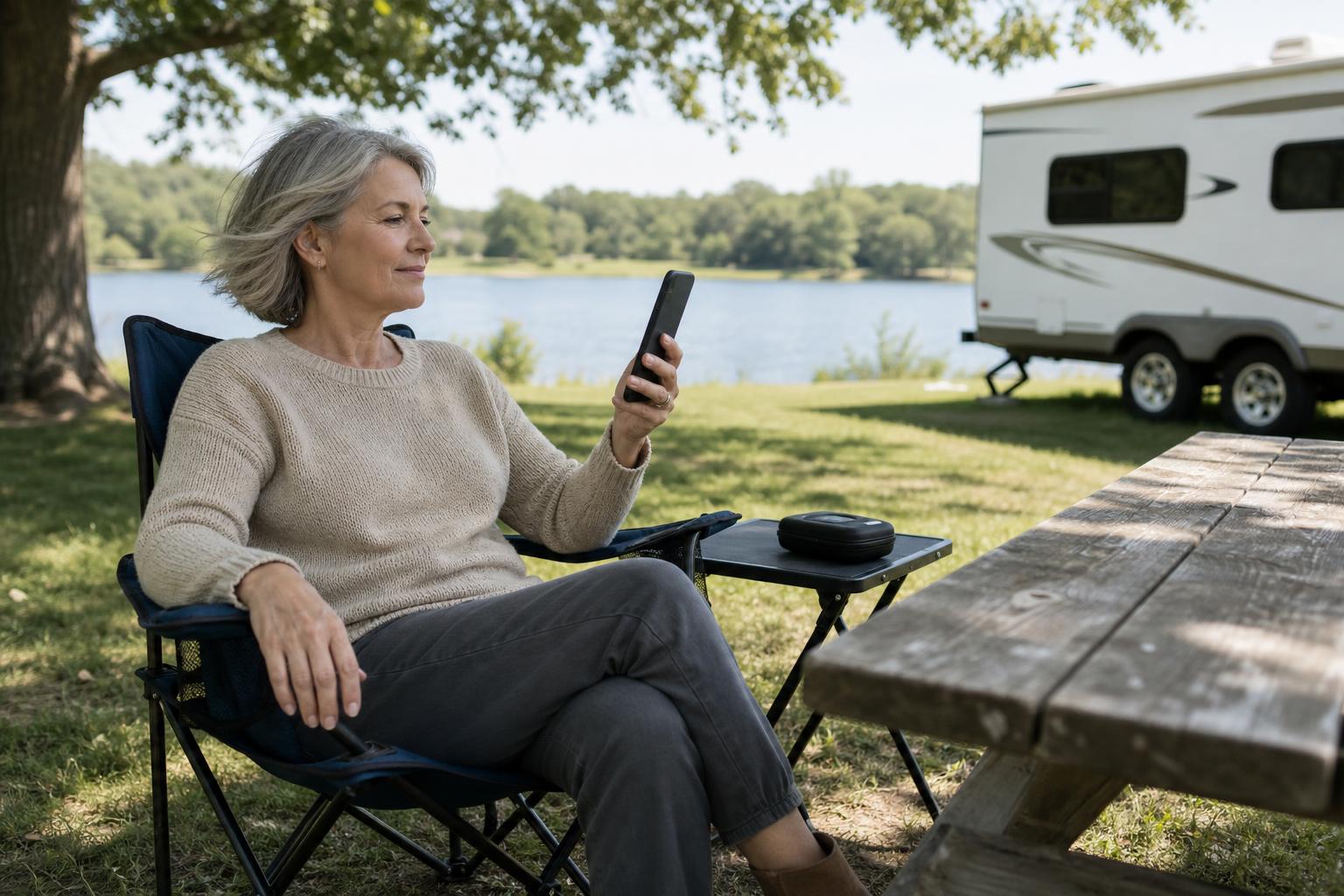
The biggest reason RVers upgrade is for sheer convenience. A keyless RV lock system fundamentally changes how you interact with your home-on-wheels, eliminating small but constant frustrations and adding a layer of modern security.
Ditching Keys for Code, Fob, and App Access
Imagine returning from a long hike or a swim without worrying about where you stashed your keys. With a smart lock, access is built around your lifestyle. You can enter with a simple PIN code, a remote fob, or even your smartphone.
This flexibility is a game-changer in daily RV life. Brands like RVLock note their key fobs have a range of up to 75 feet. Others, like Lippert, provide Bluetooth app control from up to 60 feet away, a distance specified by the manufacturer. According to tech resources like Adorama, this range is typical for the Class 2 Bluetooth used in most consumer gadgets and can be affected by obstacles.
It's about removing friction. You get back to the campsite at dusk with both arms full of groceries and a tired kid in tow. Instead of fumbling in the dark for a key, you punch in a code with your elbow or use the remote, and the door is open. It's a small moment that makes a huge difference.
Upgrading from Flimsy, Universal Factory Locks
Let's be real: the standard locks that come with most RVs aren't great. Many use a common key, meaning another camper could potentially have a key that fits your door. This "master key" issue is a well-known security risk in the RV community.
Upgrading to a smart lock immediately solves this problem with unique, programmable codes. Beyond that, they are typically built with more robust materials, like the full metal construction found on some RVLock models or the reinforced zinc alloys used by other top brands. Some, like Bauer, even incorporate bank-grade encryption for their electronic signals, giving you true peace of mind at the campground.
The Hidden Headaches: What the Manuals Don't Tell You
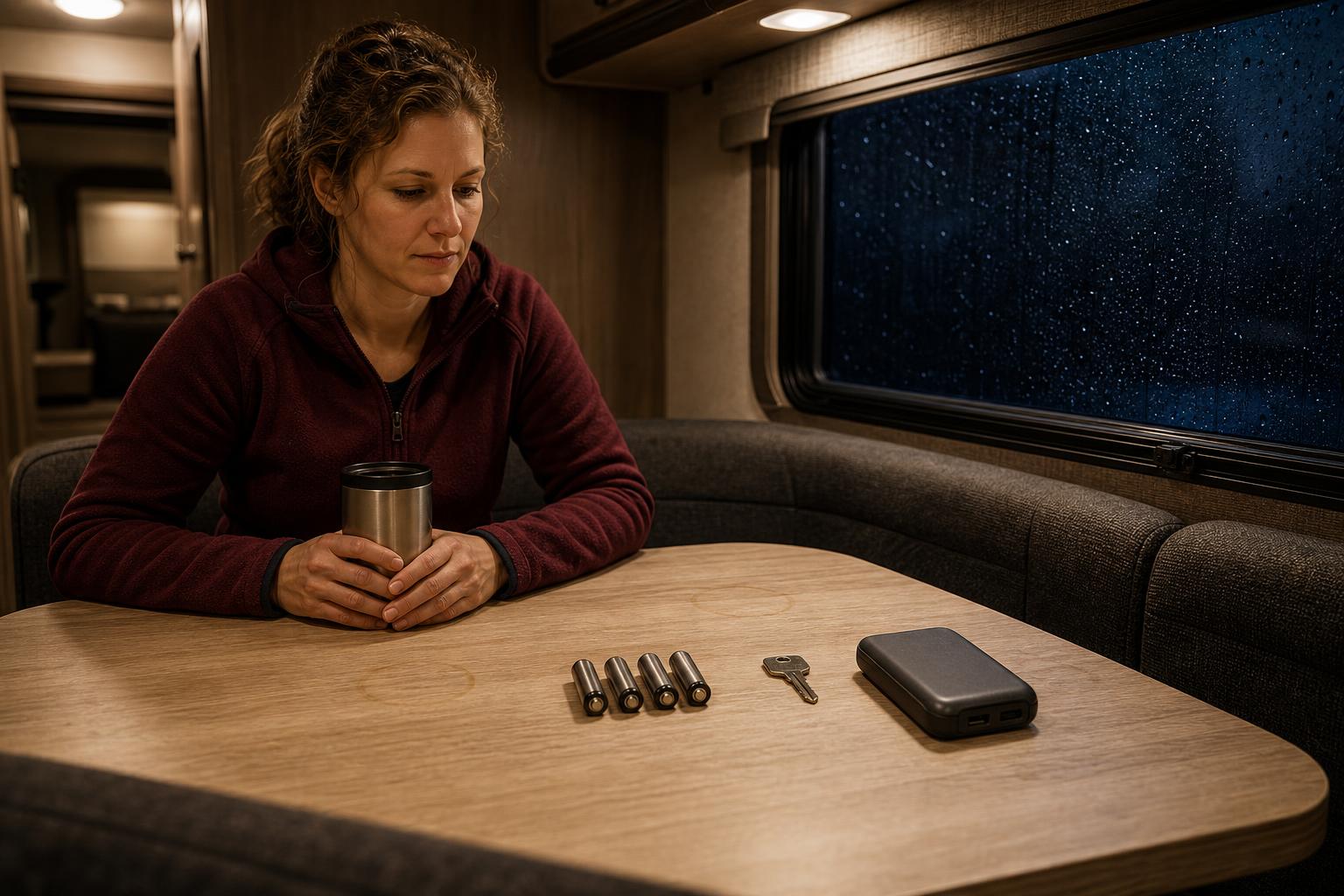
For all their benefits, smart locks aren't perfect. It's essential to understand the potential downsides—the ones you usually only hear about in real-world user discussions on forums like iRV2.com or Reddit's r/GoRVing community. Acknowledging these limitations is key to making an informed decision.
The Battery-Powered Dilemma and Backup Plans
The single biggest anxiety for potential buyers is a dead battery. Since these locks are electronic, they rely on power, typically from AA batteries. While most last around six months and give you a low-battery warning, life on the road is unpredictable.
Fortunately, manufacturers have built-in multiple fail-safes. Every smart lock comes with a traditional mechanical key for backup. More importantly, many newer models now include a Type-C emergency power port, ensuring you're never truly locked out. If you're concerned about what to do in that moment, our detailed guide on what happens when an RV smart lock battery dies covers every backup option.
Picture this: a solo traveler is caught in a cold, rainy night at a remote boondocking spot, and her lock's batteries finally give out. Instead of panicking, she pulls out a portable power bank, plugs it into the Type-C port, and the keypad lights up. Within seconds, she's inside her warm, dry RV, crisis averted.
Malfunctions, Durability, and Minor Annoyances
Like any electronic device exposed to the elements, smart locks can have their quirks. Some users report issues with water intrusion during heavy storms causing keypads to short out temporarily. Others have noted that the interior handle on some models is made of plastic, which can feel less durable than you'd expect for the price.
There are also smaller annoyances to consider. The audible beep on some locks can be surprisingly loud in a quiet campground, and over-sensitive remote fobs might accidentally unlock the door from inside your pocket. These aren't deal-breakers for most, but they are part of the real-world ownership experience.
A Feature-by-Feature Smart RV Lock Comparison
Not all smart locks are created equal. While most offer the same basic keyless functions, a new generation of locks is emerging with features designed to solve more nuanced RV living challenges. Here’s a look at how standard features stack up against what you should be looking for next.
Comparing Standard and Next-Generation Smart RV Lock Features
| Feature | Standard Smart Lock (Common on the Market) | Next-Generation Smart Lock (What to Look For) | Why It Matters for RV Life |
|---|---|---|---|
| Handle Design | Pull, lift, or twist handle | Ergonomic Down-Press Handle | More natural, one-hand operation, similar to a residential door. Easier when carrying items. |
| Internal Security | Standard deadbolt turned from inside | A Third, Independent Internal Mechanical Lock | Offers an added layer of privacy and peace of mind when you're inside. Cannot be bypassed by electronic means from the outside. |
| Entry Methods | Keypad, Fob, Key, Bluetooth App | Keypad, Fob, Key, Bluetooth App | Provides flexibility for all family members and situations. |
| Backup Power | Mechanical Key | Mechanical Key + External Type-C Port | Ensures you're never locked out, even if the batteries die unexpectedly. |
| Construction | Plastic and metal mix | Full metal body (e.g., reinforced zinc alloy) | Better durability against wear, tear, and potential break-ins. |
Your Pre-Purchase Checklist: Ensuring a Perfect Fit
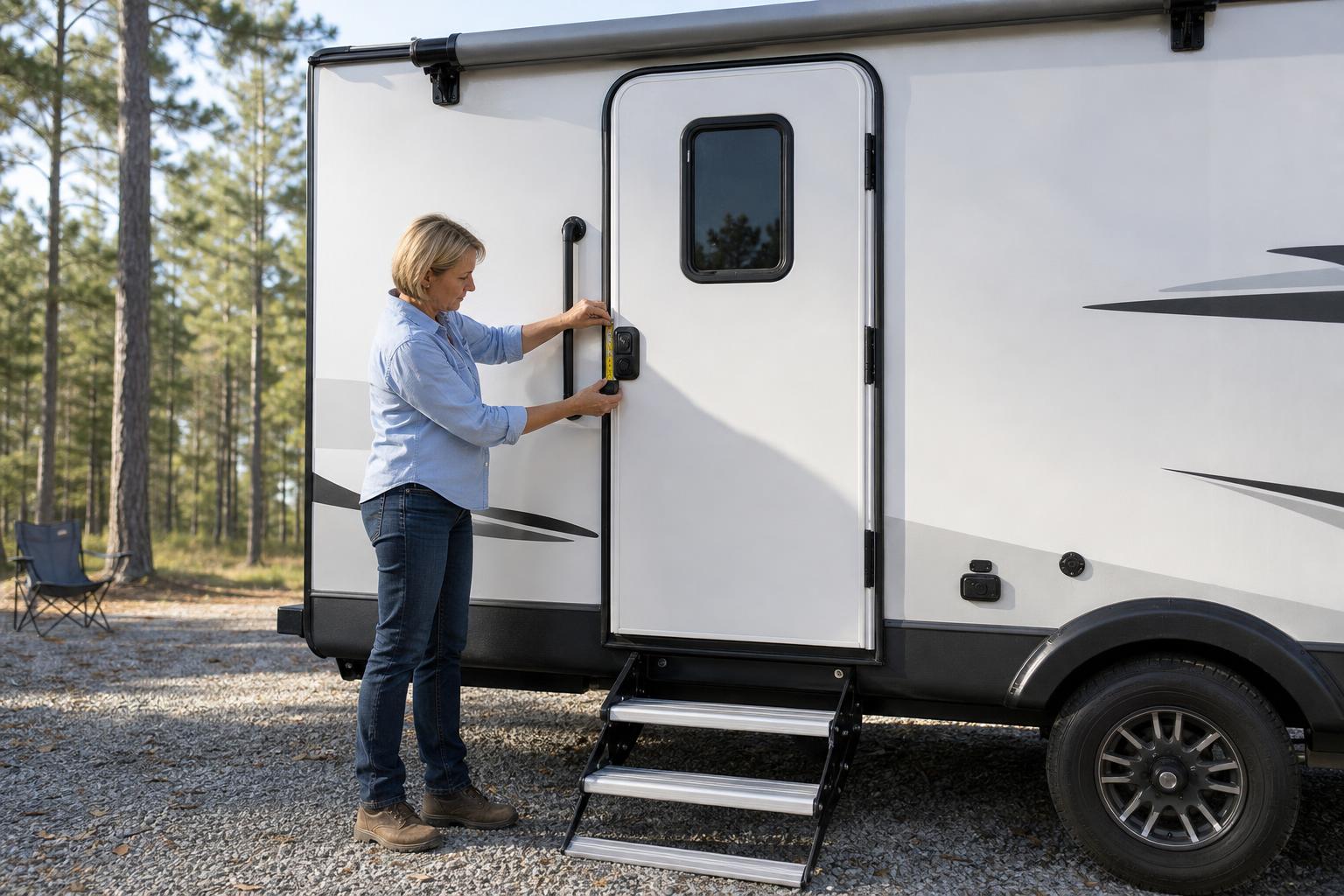
The number one mistake buyers make is ordering a lock that doesn't fit their door. RV doors aren't as standardized as residential ones, so taking a few minutes to measure is non-negotiable. It's the best way to avoid the frustration and cost of a return.
Measuring Twice to Avoid Costly Mistakes
Before you click "buy," grab a tape measure and check three critical areas. Most smart locks are designed to fit a standard opening of roughly 3.75" high x 2.75" wide x 1.5" deep, but you must confirm your own.
- The Lock Opening: Measure the height and width of the hole left when you remove the old lock.
- Door Thickness: Measure how thick your entry door is.
- Side Clearance: Check the distance from the edge of your current lock to any obstructions like a screen door frame, window frame, or grab handle.
That last point is a classic "gotcha." Imagine this: you've just spent 10 minutes installing your shiny new smart lock. You step back to admire your work, then try to close the screen door, only to hear a thud. The new lock's larger housing is blocking the screen door handle from latching. It's a frustrating mistake that a simple measurement could have prevented.
What to Expect from a DIY Installation
The good news is that most smart RV locks are designed for easy DIY installation. If your measurements match up, the process typically takes just 10-15 minutes and only requires a Phillips head screwdriver. No complex wiring or drilling is needed for a compatible model. For more detailed steps, check out our in-depth installation guide.
Frequently Asked Questions About Smart RV Locks
Still have questions? Here are quick answers to some of the most common concerns RVers have about making the switch to a keyless lock.
How long do batteries last in a keyless RV lock?
Typically, a set of quality AA batteries will last 6 to 12 months. This depends heavily on your usage frequency, the quality of the batteries, and extreme weather conditions. Most models feature a low-battery warning light or an app notification to give you plenty of notice before they run out.
What happens if the smart RV lock battery dies?
You won't be locked out. Every smart lock includes a physical key as a primary backup. Additionally, many modern locks feature a Type-C emergency power port, allowing you to temporarily power the keypad with any standard power bank to get inside.
Are smart RV locks more secure than regular RV locks?
Yes, in two key ways. First, they eliminate the common factory key problem by using unique digital codes. Second, aftermarket smart locks are generally built with stronger, more durable materials than the basic locks installed by manufacturers, offering better resistance to force.
Can I install a smart RV lock myself?
Absolutely. The vast majority are designed as direct-fit replacements for standard RV door handles. If you're comfortable using a screwdriver, you can typically complete the installation in about 10-15 minutes. No specialized tools or wiring are required.
Can water or extreme temperatures damage a smart RV lock?
Most locks are designed to be weather-resistant, often with an IP54 rating, which protects them from normal rain, dust, and temperature fluctuations. However, like any electronic device, they aren't indestructible. A direct blast from a pressure washer or prolonged exposure to extreme, sub-zero temperatures could potentially cause damage.
What's the real benefit of a down-press handle?
A down-press handle mimics the natural motion of opening a door in your house. It's more ergonomic and requires less effort than the traditional pull-style or twist handles on most RVs. This is especially helpful when your hands are full, as you can easily open the door with your elbow. It's a subtle upgrade that significantly improves daily use. See how it works on the SAWHERO R8.
Ultimately, the decision to upgrade comes down to weighing the smart RV lock pros and cons for your specific needs. The keyless convenience is undeniable, but it's the next-generation features—like an ergonomic handle and enhanced internal security—that truly elevate the experience.
By carefully considering the features that matter most for your peace of mind and daily routine, you can make a choice you'll be happy with for many adventures to come. Ready to find the right fit for your rig? Explore smart solutions for your RV at SAWHERO.


