

Your Ultimate Summer RV Security Checklist: A Journey from Driveway to Campsite
Summer is peak season for road trips, but it's also a prime time for property theft. Statistics show that RV thefts are most common between June and August, a risk that can quickly turn a dream vacation into a nightmare. True peace of mind on the road comes from knowing your rolling home is secure, which is why we at SAWHERO have created this comprehensive summer RV security checklist.
This guide walks you through every step, from preparing your home before you leave to establishing smart habits at the campsite. Your security journey starts sooner than you think. According to research from CoachSpecialists.com, about 40% of RV thefts happen right from a residential location. Let's start by securing your base camp—your home.
Securing Your Base: Pre-Trip Home and RV Preparations
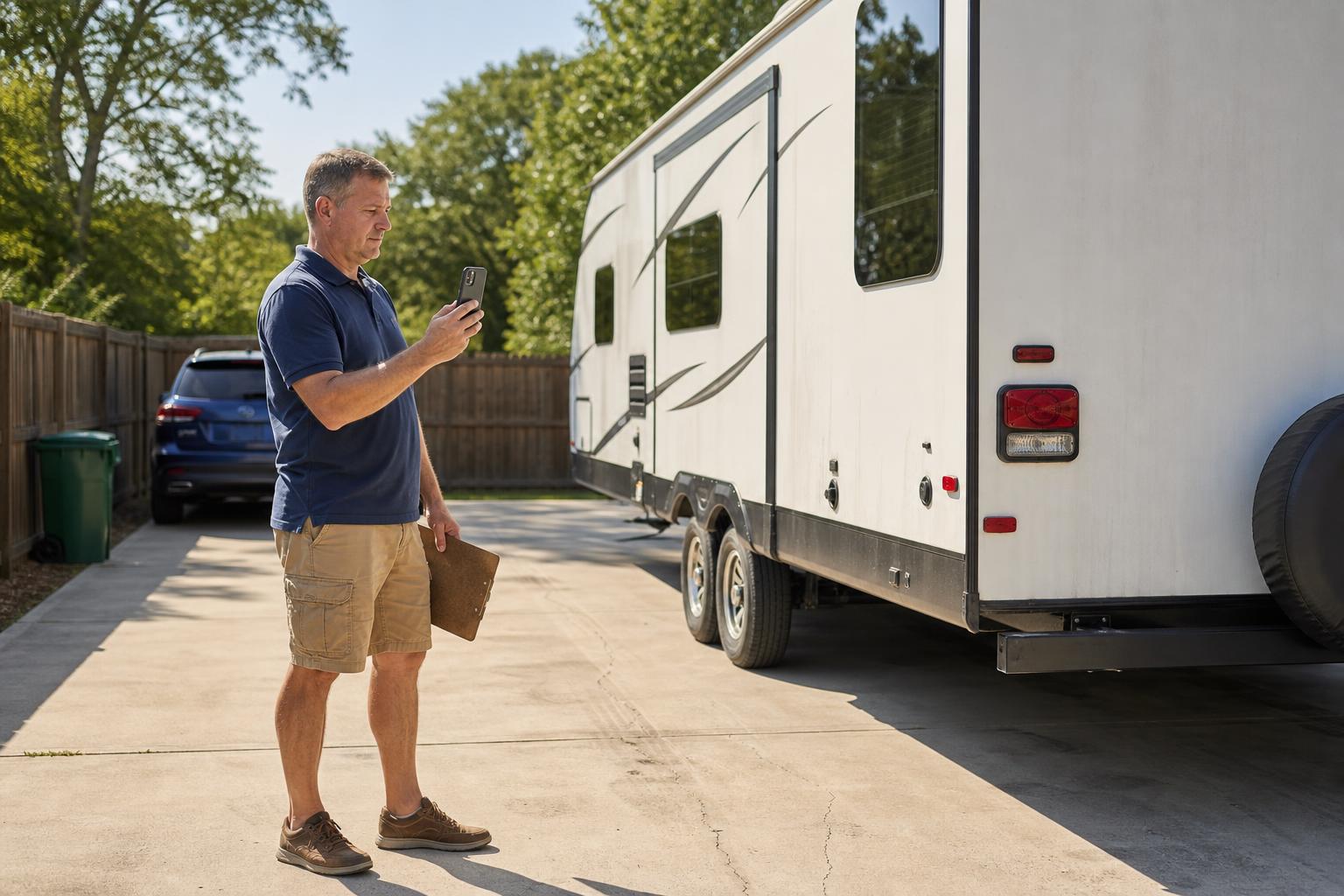
Before you even pull out of the driveway, taking a few key steps can dramatically reduce your risk. A solid pre-trip plan secures both the home you're leaving behind and the RV you're about to live in. This is the foundation of a worry-free trip.
Making Your Home Look Occupied
A house that looks empty is an invitation for trouble. The goal is to create the illusion that someone is still there. Leave a car in the driveway, use smart timers for lights and TVs to simulate activity in the evenings, and pause mail and newspaper delivery.
Most importantly, ask a trusted neighbor to keep an eye on your property. They can collect any stray packages and alert you or the authorities if they notice anything suspicious. This simple human element is one of the most effective deterrents.
Smart RV Parking and Documentation
Where you park your RV before the trip matters. If possible, keep it out of sight in a fenced backyard or a secured, professional storage facility. Avoid leaving it parked on a public street for extended periods, as this can attract unwanted attention and make it an easy target.
Before you go, take a moment to document everything. Write down your RV's Vehicle Identification Number (VIN) and license plate number. Take clear, current photos of your rig from all angles, including any unique features. If the worst happens, this information will be invaluable for your police report and insurance claim.
Conducting a Pre-Trip Insurance Review
Don't assume your policy covers everything. Before your trip, call your insurance agent and review your RV policy. Specifically, ask about coverage for personal property inside your rig, as this can sometimes be a separate rider.
Understanding your coverage limits will help you decide which valuables to bring and which to leave at home. A quick 15-minute call can save you thousands of dollars and a massive headache later on.
Upgrading Your RV’s Physical Defenses
Your RV itself should be your first line of defense. Unfortunately, the standard locks that come from the factory are often underwhelming and easily bypassed. Investing in physical security upgrades is one of the most effective ways to protect your investment and belongings.
Moving Beyond Standard Factory Locks
Here's a hard truth: many RVs leave the factory with locks that use a common key, like the infamous CH751. This means that thousands of other RV owners could potentially have a key that opens your storage bays or even your main door. It's a security flaw that's too big to ignore.
Upgrading your door and compartment locks is not just a suggestion; it's a necessity for any serious RVer. Moving to a modern, robust lock system immediately elevates your security from a generic password to a unique, personal code that only you and your trusted circle can access.
Choosing the Right Security Upgrades for Your RV
With so many options, picking the right hardware can feel overwhelming. This table breaks down the most common upgrades to help you decide where to focus your efforts based on your needs and budget.
| Feature / Upgrade | Standard Mechanical Lock | Keyless Smart Lock (e.g., SAWHERO R8) | Hitch/Wheel Lock |
|---|---|---|---|
| Primary Use | Basic door access | Convenient & secure door access | Immobilizing the vehicle |
| Security Level | Low (often uses common keys) | High (unique codes, robust build) | High (visual deterrent, physical stop) |
| Convenience | Low (requires physical key) | Very High (keypad, app, remote) | Medium (requires manual setup) |
| Access Sharing | Difficult (key hand-off) | Easy (temporary/multiple codes) | Not Applicable |
| Internal Control | Standard deadbolt | Advanced (e.g., R8's third internal lock) | Not Applicable |
| Best For | Budget-conscious basic security | Daily use, families, renters, tech-savvy users | Long-term storage, high-risk areas |
| Recommendation | Upgrade Recommended | Cornerstone of daily security | Essential for towables |
Securing Immobilizers, Hatches, and External Gear
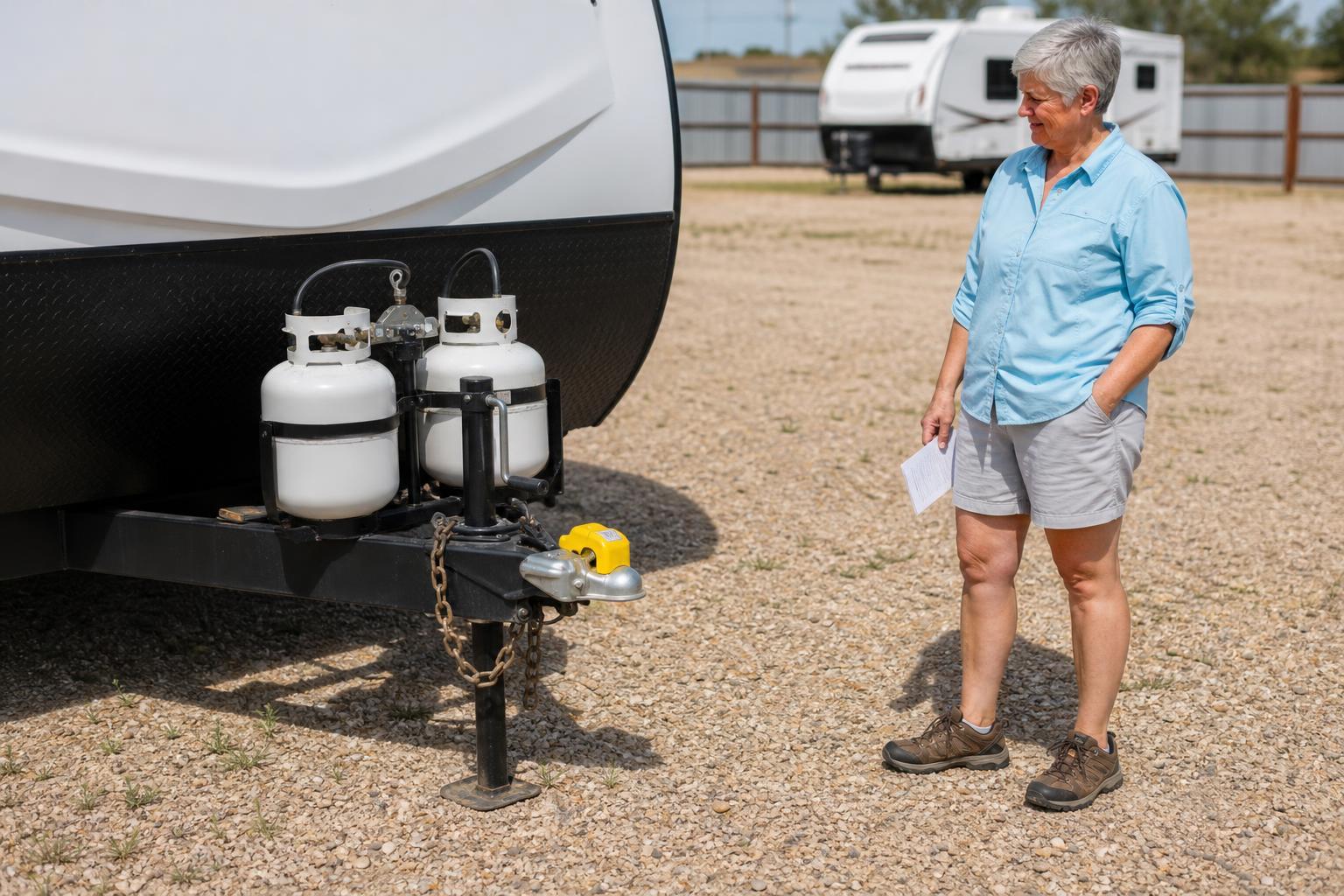
A locked door is great, but it won't stop a thief from towing your entire trailer away. For towables, a heavy-duty coupler or hitch lock is non-negotiable. For motorhomes, a steering wheel or brake pedal lock provides a strong visual deterrent.
Don't forget the smaller targets. Upgrade the simple locks on your external storage compartments (hatches). Use high-quality cable locks to secure expensive gear like generators, bikes, and grills to your RV's frame when they're not in use.
Leveraging Technology for 24/7 Peace of Mind
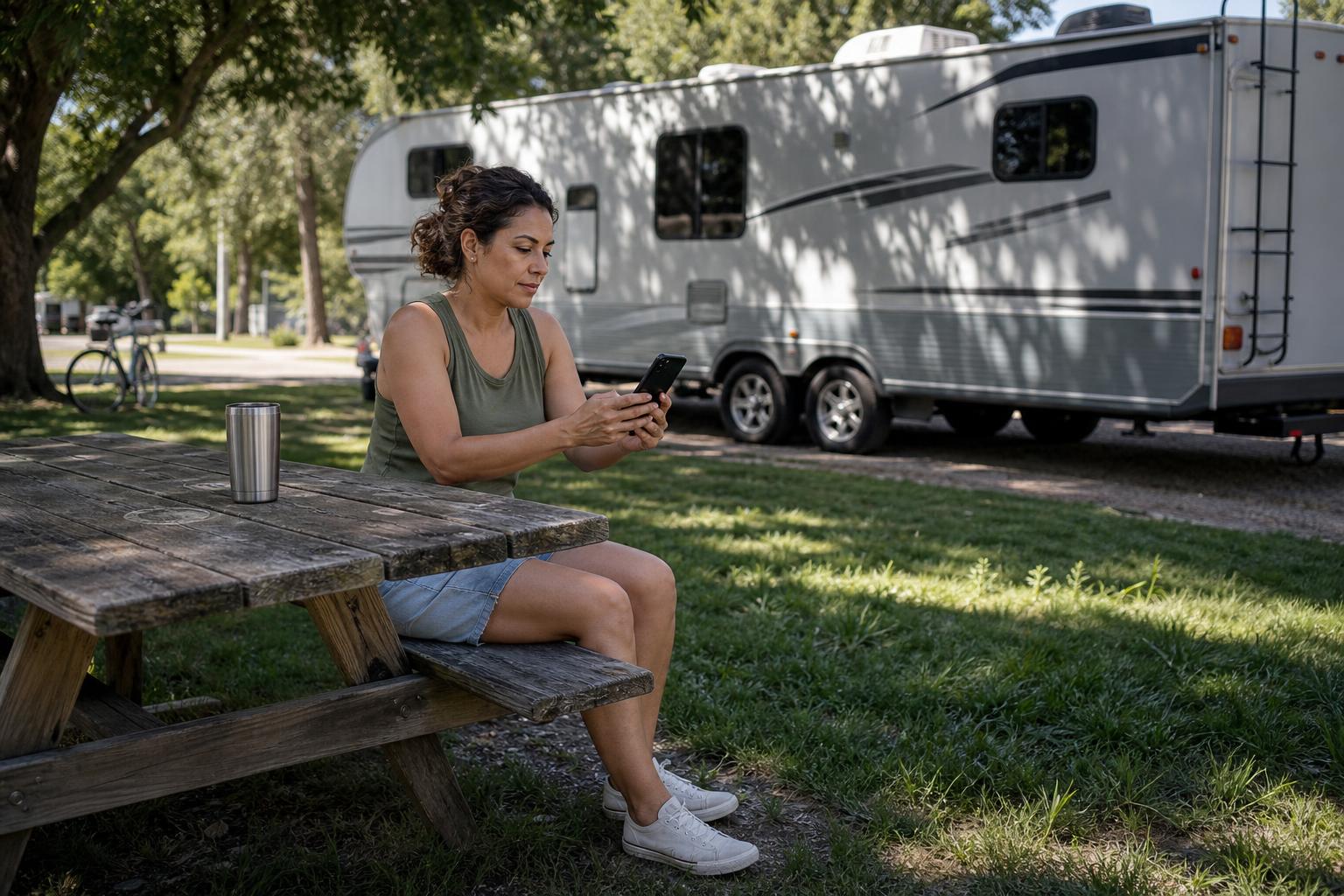
Modern technology offers powerful tools to keep an eye on your RV, even when you're miles away. From live camera feeds to real-time location tracking, these devices add a proactive layer of security to your setup.
Installing a Mobile Surveillance System
A mobile security system can provide immediate alerts if something is wrong. According to home security resource Security.org, many systems like SimpliSafe and Ring can be adapted for RV use. Many come with cellular backup, so they still work even if you're boondocking without Wi-Fi.
Security cameras like the Arlo Pro 4 are also popular among RVers, allowing you to check a live feed of your rig from your phone. A visible camera is a powerful deterrent, and a recorded video is crucial evidence if a break-in occurs.
The Ultimate Recovery Tool: GPS Trackers
If your RV is stolen, a GPS tracker is your single best chance of getting it back. These small, discreet devices can be hidden somewhere inside your rig, providing real-time location data directly to your phone and law enforcement.
Look for trackers from brands like SpaceHawk or LandAirSea that offer long battery life and smart alerts, with resources like SpaceHawkGPS.com offering guides on choosing the right device. Geofencing is a particularly useful feature; it allows you to draw a virtual perimeter around your campsite or storage lot and receive an instant notification the moment your RV moves outside of it.
Smart Security Habits for the Summer Campsite
The best security hardware in the world can be defeated by simple human error. Cultivating a routine of smart, security-conscious habits is the final and most crucial piece of your summer RV security checklist. Your awareness is your strongest asset.
Campsite Selection and Strategic Parking
Your security starts with choosing the right spot. When booking, check reviews for any mentions of theft or security issues. Opt for campgrounds with features like security gates, patrols, or good lighting. Once you arrive, choose a well-lit site that's visible to other campers rather than an isolated, hidden spot.
When you park, think about a quick exit strategy. Whenever possible, park with your RV facing the road so you can pull out quickly in an emergency without needing to back up. A little forethought can make a big difference if you ever feel unsafe.
Building a Secure Daily Routine
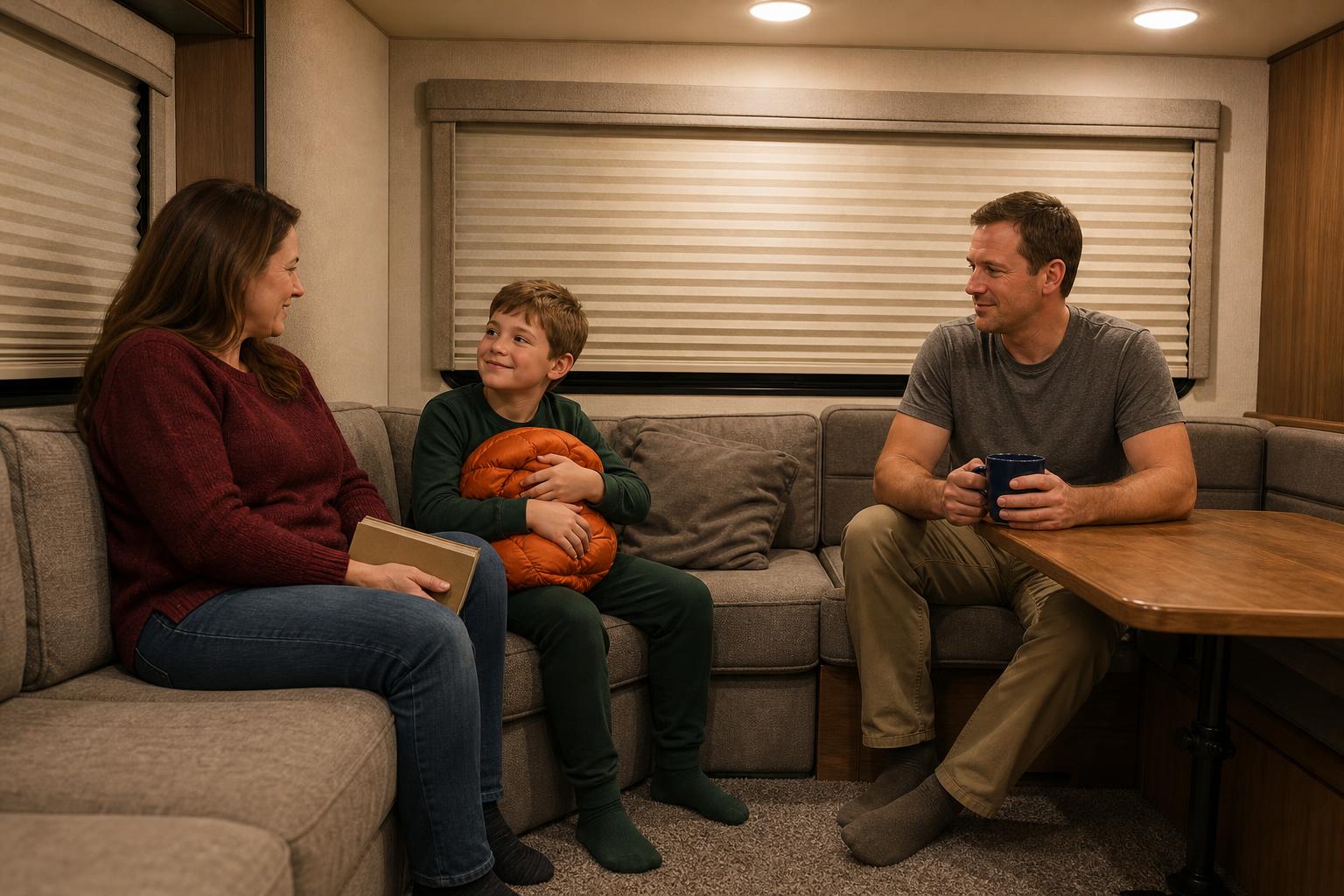
Make locking your doors and storage bays an automatic habit every time you leave, even if it's just for a quick walk. Inside, close your blinds or shades to keep prying eyes from inventorying your valuables. This simple step removes the temptation for opportunistic thieves.
At night in a new campsite, you might feel a little uneasy about the surroundings. This is where you can engage the SAWHERO R8's third internal mechanical lock. It's a deadbolt you control only from the inside, meaning no key, code, or app can open it from the outside, letting you and your family sleep soundly.
Convenience and security should go hand-in-hand. Imagine returning from a day of shopping, your arms full of groceries. Instead of fumbling for keys, you simply walk up to your door and push down on the R8's ergonomic, push-down handle with your forearm. The door opens effortlessly, getting you inside without the juggling act.
Managing Access for Guests and Service
Sharing your RV with friends or needing to let in a repair technician can be a security challenge. A keyless entry system transforms this process. Instead of handing out a physical key, you can create a unique code for your visitors.
For example, your friends are arriving at the campsite while you're out on a hike. With the SAWHERO R8, you can use the app to generate a temporary password that's only valid for a few hours. They can let themselves in, and you don't have to cut your adventure short. Your travel plans remain flexible and secure. For more on ensuring a smart lock is right for your rig, see our comprehensive guide to RV door compatibility.
Frequently Asked Questions About Summer RV Security
How can I improve my RV door security on a budget?
If a smart lock isn't in the budget right now, you can still make meaningful improvements. Start by replacing the standard lock cylinder with a higher-quality, uniquely keyed one. You can also add simple, inexpensive door and window alarms that emit a loud sound when triggered, or install a secondary interior latch for extra peace of mind at night.
Are keyless RV locks reliable in all weather conditions?
Yes, modern keyless locks are built for the road. Models like the SAWHERO R8 have an IP54 rating, which means they are protected against dust and splashing water from any direction. While they are designed to handle typical rain and humidity, it's always good practice to check on the lock and wipe it down after extreme weather events.
What's the single most effective RV security device?
While security is best in layers, the single most critical device is a high-quality door lock. It's your primary defense against entry. After that, the next most effective device is one that prevents the entire vehicle from being moved, such as a heavy-duty hitch lock for a trailer or a wheel lock for a motorhome.
Do I still need a security system in a high-end RV park?
Absolutely. Even in the most secure-feeling campgrounds, opportunistic crime can happen. A high-end park might deter professional thieves, but it won't stop someone from grabbing an unlocked bike or walking into an open RV. Your personal security measures are always your best and final line of defense.
How long do batteries last in a smart RV lock?
Battery life for most keyless RV locks typically ranges from 6 to 12 months, though this depends heavily on usage frequency and battery quality. The SAWHERO R8 is designed for up to 6 months of operation on 4 AA batteries. It also features a low-battery warning, a backup mechanical key, and a Type-C port for emergency power, so you're never locked out.
Can someone easily break into an RV?
Honestly, a standard, unmodified RV can be relatively easy for a determined thief to break into due to common locks and lightweight construction. However, by following the steps in this checklist—upgrading your lock, immobilizing the vehicle, and practicing smart habits—you significantly increase the difficulty and time required, making your rig a much less attractive target.
Your Final Pre-Trip Summer RV Security Checklist
Security is the foundation that allows you to fully enjoy the freedom of the open road. Before you head out, run through this final checklist one last time to ensure you've covered all your bases. It's your ticket to true relaxation.
- Home Base Secured: Mail paused, neighbor alerted, and home looks lived-in.
- Physical Defenses Hardened: Door lock upgraded, immobilizer installed, and external gear locked down.
- Tech Watchdogs Activated: GPS tracker is hidden and active, and cameras are operational.
- Campsite Habits Established: Routine includes locking doors, hiding valuables, and choosing safe spots.
Completing this summer RV security checklist means you've built layers of protection around your home on wheels. The strongest, most-used layer is your front door. Start your security upgrade with a reliable and convenient foundation like the SAWHERO R8 Smart RV Lock and hit the road with confidence.


