

How Do Smart RV Door Locks Work? An RVer's Guide to Keyless Technology
Pulling into your campsite after a long day's drive, the last thing you want is a scavenger hunt for your RV keys. This common frustration is exactly why smart RV door locks were created, transforming a hassle into a seamless experience.
But how do these locks actually work? It’s not magic—it's a reliable blend of simple mechanics and smart technology. This guide breaks down everything from the internal electronic motor to the various ways you can unlock your door, clearing up any tech-related questions you might have.
At SAWHERO, we focus on solving these real-world travel pains through thoughtful design. Let's explore how these keyless systems provide both convenience and security on the road.
The Core Mechanics: From Your Command to a Securely Locked Door
At its heart, an electronic RV door lock operates on a straightforward principle: it converts an authorized digital signal into a physical movement. When you enter a code, use an app, or press a remote, you're sending a unique instruction to the lock's internal controller.
This is the key difference from a traditional lock, which relies entirely on the physical shape of a key to align pins and turn the mechanism. A smart lock, instead, uses a tiny, powerful motor to drive the deadbolt in or out. Think of it as the central locking system on your car—a press of a button triggers an electronic command that physically secures the doors.
The Brain and Brawn: How Internal Electronics Operate the Lock
Inside every smart RV door lock is a small circuit board that acts as the "brain." This board receives the signal from your keypad, phone, or remote. It then instantly verifies if the signal is a recognized, authorized command by comparing it against the codes stored in its memory.
Once the command is authenticated, the brain sends a jolt of electricity to the motor—the "brawn" of the operation. This motor is geared to provide enough torque to smoothly slide the heavy deadbolt, securing or opening your door in a second. It's a quick, reliable, and secure process.
Authentication Methods: Your "Key" in the Digital Age
So, what serves as your "key" in this system? Instead of a single piece of metal, you have multiple forms of digital identification. A numeric password, an encrypted Bluetooth signal from your phone, or a radio frequency signal from a fob all act as unique digital keys.
Each method sends a distinct, secure signal that only your lock is programmed to recognize. This variety is what makes a keyless RV lock so flexible, offering different ways to grant access based on the situation.
Unlocking Convenience: How Different Keyless Entry Methods Work for You
Understanding the core mechanics is one thing, but seeing how they function in real life is what truly matters. Each keyless entry method is designed to solve a specific problem you might face on your travels. Here’s how they work in practical terms.
Tapping in a Code: The Magic of the Digital Keypad
The digital keypad is often the most-used feature of a smart lock. When you press the numbers, you're completing circuits on a board beneath them. The lock's processor translates these presses into a numeric sequence and checks it against the master code and user codes you've saved.
Modern keypads are often backlit for easy use in the dark. Some, like the one on the SAWHERO R8, even feature anti-peep technology, which lets you enter random digits before or after your actual code. This prevents anyone from shoulder-surfing your password, adding a simple but effective layer of security.
Real User Story: You get back to the campsite at dusk with both arms full of groceries. Instead of fumbling for keys in the dark, you tap your code into the glowing keypad with one hand and push down the ergonomic handle with your forearm to open the door. You’re inside in seconds, no juggling required.
Your Smartphone as a Key: The Power of Bluetooth Apps
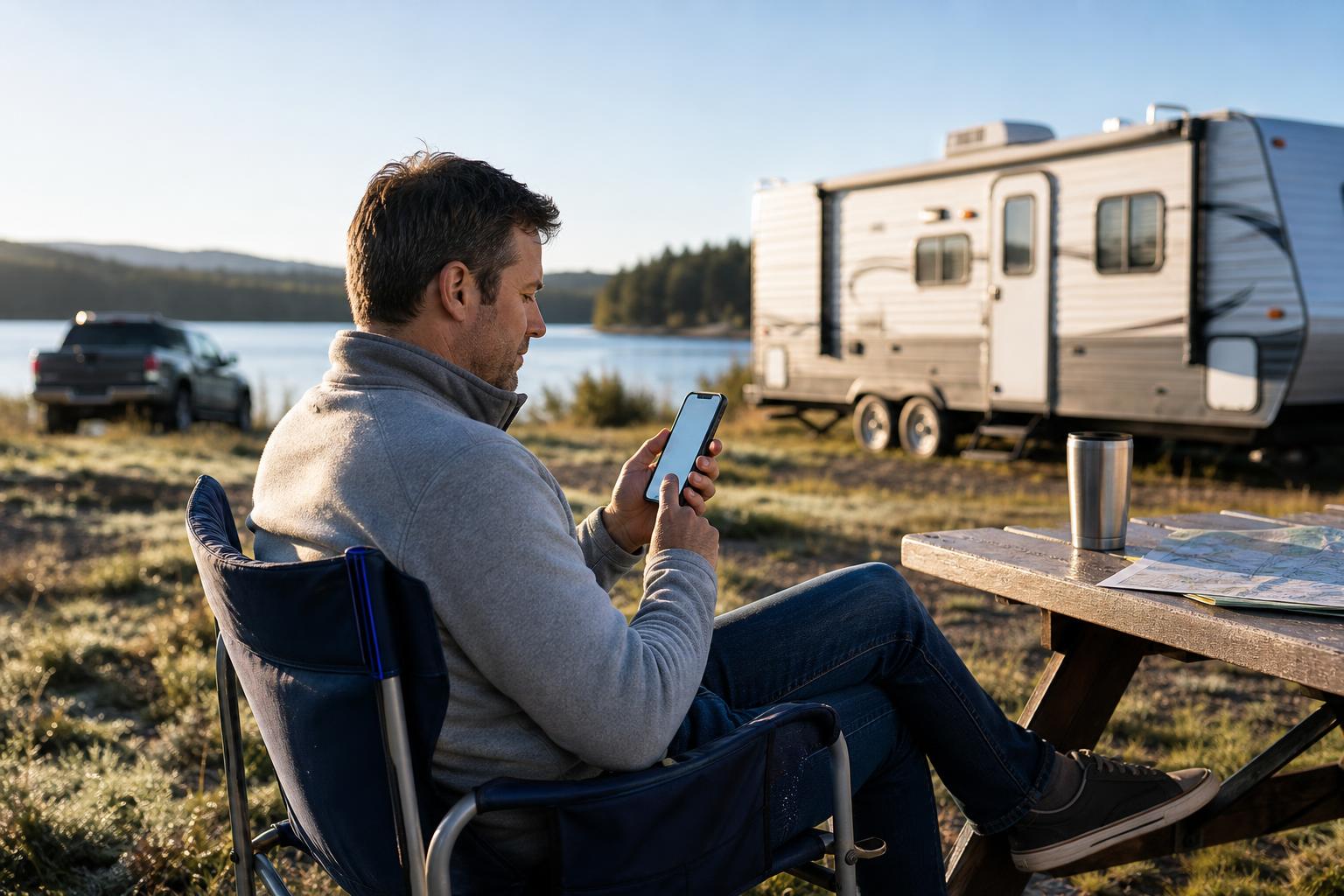
Many smart locks use Bluetooth Low Energy (BLE) to communicate with your smartphone. BLE creates a secure, short-range network between your phone and the lock. When you open the companion app and are within range, you can lock or unlock the door with a single tap on your screen.
This technology does more than just open the door. A good app allows you to manage user codes, grant temporary access, and view an activity log of who entered and when. As seen in discussions on RV community forums like Reddit, the ability to grant access without being physically present is a huge benefit for RVers.
Real User Story: Your friends have arrived at the campground, but you're still 30 minutes away. No problem. You open the app on your phone and generate a temporary two-hour code for them. They can let themselves in and get settled, all without you having to hand over a physical key.
Backup and Failsafes: Mechanical Keys and Emergency Power
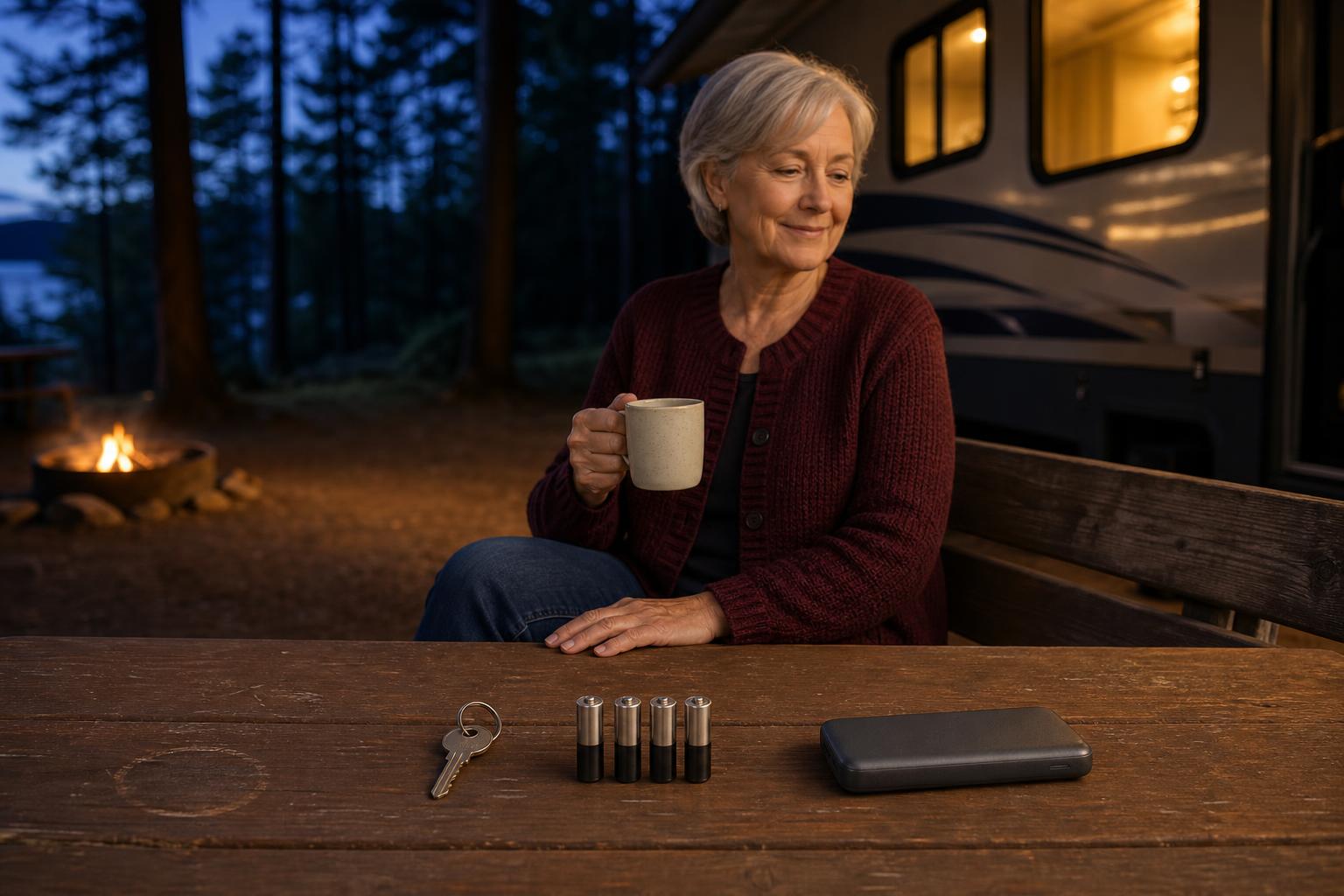
What if the batteries die? This is a top concern for any RVer considering an electronic lock. That's why virtually all smart RV locks include a traditional mechanical key as the ultimate failsafe. It bypasses all the electronics, working just like a standard lock to ensure you're never truly locked out.
But what if you don't have the key handy? Innovative locks like the SAWHERO R8 offer another layer of protection: a Type-C emergency power port. This lets you temporarily power the lock with any standard power bank, giving it enough juice to accept your code and let you in. It’s a modern solution to a common fear.
Real User Story: After a long winter in storage, you arrive at your RV to find the lock's batteries are completely dead. Instead of panicking, you grab the portable power bank from your glove box, plug it into the Type-C port on the bottom of the lock, and the keypad lights up. You enter your code and get in, ready to start de-winterizing.
A Practical Comparison of Smart RV Lock Access Methods
With several ways to access your RV, which one is right for you? The best part about a smart lock is that you don't have to choose just one. These methods are designed to complement each other, giving you the right tool for any situation. Here’s a quick breakdown to help you decide which feature you'll use most.
| Access Method | Best For... (Scenario) | Pros | Cons |
|---|---|---|---|
| Digital Keypad | Daily quick entry, kids/guests without phones. | No need to carry anything; easy to share codes. | Codes can be forgotten; potential for smudges. |
| Smartphone App | Remote access management, tech-savvy users. | High control (temp codes, logs); lock status check. | Requires phone with battery and Bluetooth enabled. |
| Remote Fob | Car-like convenience, users who prefer a physical button. | Simple one-press action; good range (up to 100 feet). | Another item to carry or potentially lose. |
| Mechanical Key | Emergency situations (dead battery, electronic failure). | Ultimate reliability; works without power. | Can be lost or stolen; negates keyless benefit. |
Behind the Build: What Makes a Smart RV Lock Road-Ready?
An RV door lock faces much more abuse than the one on your house. It’s exposed to rain, dust, road vibrations, and extreme temperatures. The technology inside needs to be protected by a tough exterior built for life on the move.
Weathering the Elements: IP Ratings and Durable Materials
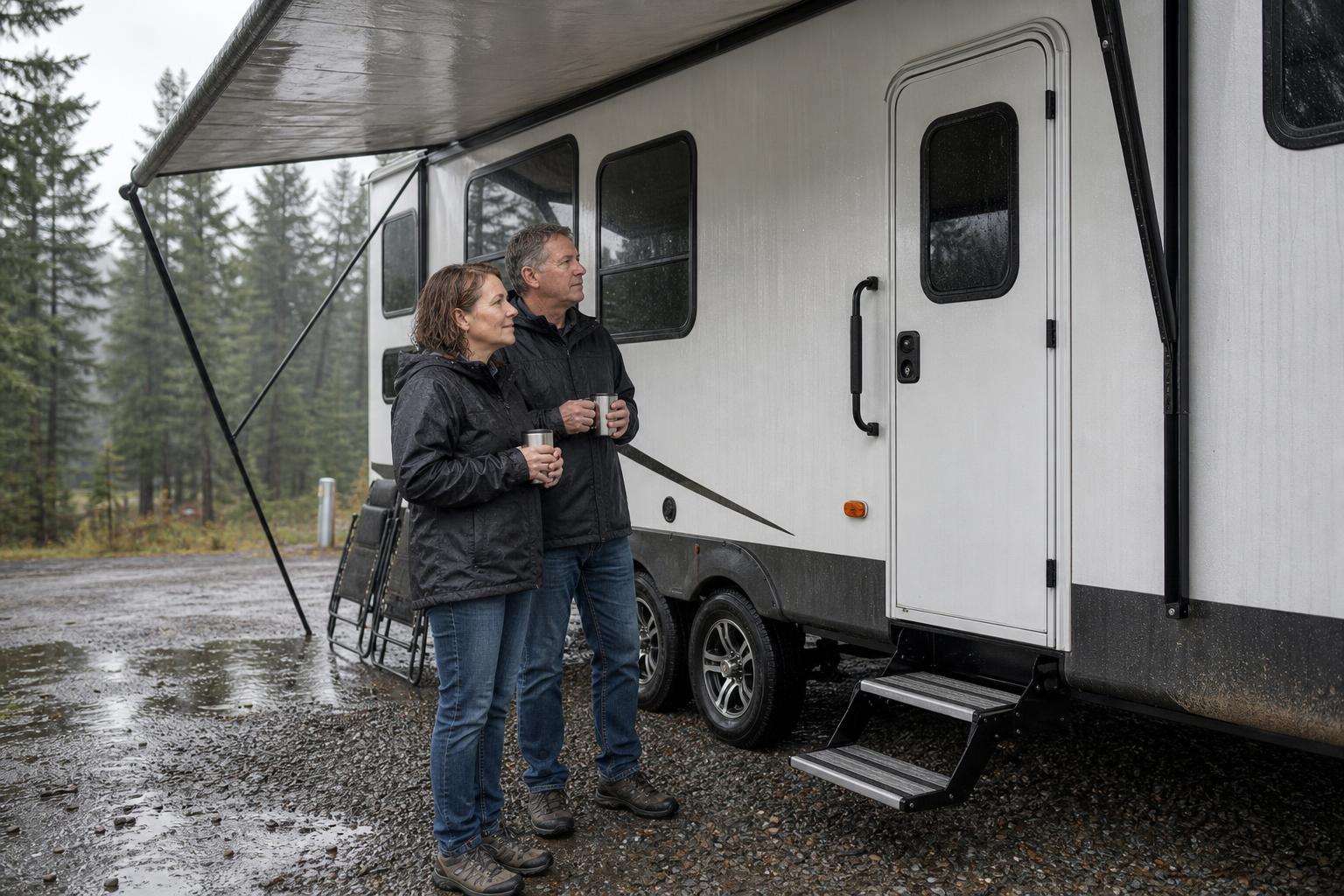
When shopping for an electronic RV door lock, look for an IP (Ingress Protection) rating. This two-digit number, defined by international standards, tells you how well the device is sealed against solids and liquids. For example, the SAWHERO R8 has an IP54 rating, meaning it’s protected from dust and resistant to water splashes from any direction.
The construction material is equally important. Most quality smart locks are built from zinc alloy or other durable metals that resist corrosion and tampering. This ensures the lock can handle years of exposure to different climates without failing, a concern sometimes raised by users about lower-quality brands.
Ensuring a Perfect Fit: Compatibility and Installation
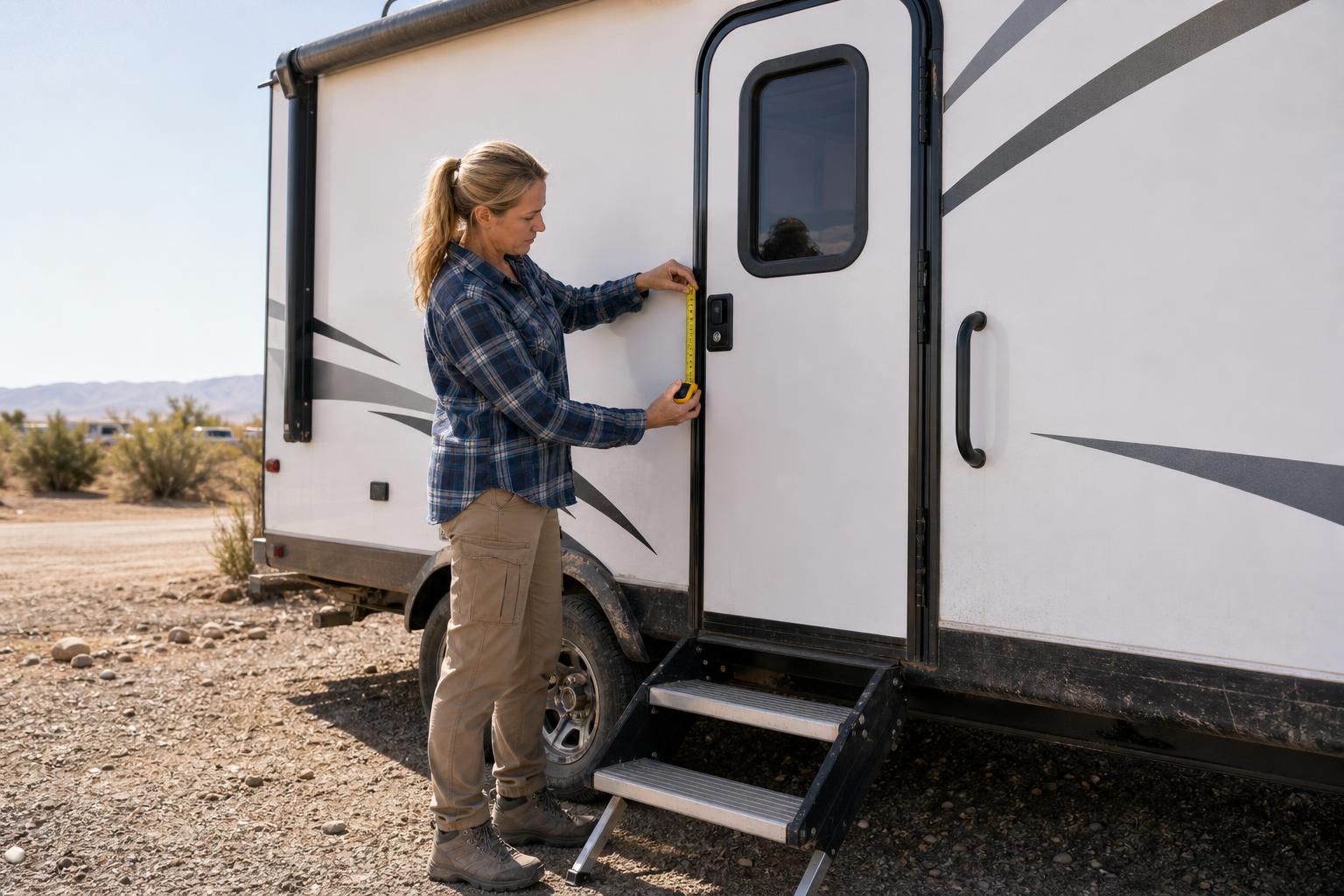
A smart lock is only useful if it fits your door. Before buying any keyless RV lock, you must measure your door. Most locks are designed for standard cutouts, typically around 2.75 inches wide by 3.75 inches tall, with a door thickness of about 1.50 inches.
You also need to confirm your door is right-hinged (meaning the hinges are on the right when viewed from outside) and that there's enough clearance for the handle to operate. If your measurements match, DIY installation is usually straightforward and can take as little as 10-15 minutes with just a screwdriver.
Frequently Asked Questions About How Smart RV Locks Work
How long do batteries typically last in a keyless RV lock?
Most smart RV locks use four AA batteries. Depending on your frequency of use, a set of quality alkaline batteries can last anywhere from 6 to 12 months. To prevent being caught off guard, nearly all models include a low-battery warning to give you plenty of notice before they run out.
Can a smart RV lock be installed on any travel trailer?
No, compatibility is critical. Before purchasing, you must measure your door's thickness (around 1.50 in), the cutout opening (approx. 2.75 x 3.75 in), and the side clearance (at least 1 7/8 in). You also must confirm you have a right-hinged door. For a detailed guide, check our Help Center to ensure a perfect fit.
Are electronic RV door locks more secure than regular locks?
Yes, in several ways. They eliminate the risk of common master keys that can open many factory-installed locks. You control who has the code, and encrypted apps are far more secure than a physical key that can be copied. For added peace of mind, the SAWHERO R8 includes a unique third internal mechanical lock, which provides an interior-only deadbolt that cannot be opened from the outside by any method.
What happens if the electronics fail or the battery dies completely?
You always have a way in. Every smart lock comes with a mechanical key for an absolute backup. For added assurance, advanced models like the SAWHERO R8 also feature a Type-C emergency power port, allowing you to use a power bank to activate the keypad and unlock the door even with dead batteries.
Can I share access with family or temporary guests?
Absolutely. This is one of the biggest advantages. Through the smartphone app, you can easily create and manage multiple user codes. You can also generate temporary or timed codes for visitors, pet sitters, or rental handovers, giving you complete control over who can access your RV and when.
The Future at Your Doorstep: Is a Smart Lock Upgrade Right for You?
A smart RV door lock is more than a gadget; it's a practical upgrade that simplifies your travel life. By using a combination of proven technologies, it removes the daily friction of managing keys while adding layers of security that traditional locks can't match.
The SAWHERO R8 was designed to perfect this experience. Its ergonomic push-down handle feels more like the door at home, making entry effortless. The unique third internal lock offers unparalleled security when you're inside for the night. And with comprehensive backups like a mechanical key and emergency power, you get all the convenience without the anxiety.
Ready to say goodbye to your keys for good? Explore the features of the SAWHERO R8 Smart RV Lock and see how it can make your next adventure smoother and more secure.


