How to Lock a Smart Lock from Outside: Every Method Explained
You're walking away from your house, and that nagging thought hits you: "Did I lock the door?" It's a familiar moment of uncertainty. With a traditional lock, your only option is to turn back and check. But with a smart lock, you have multiple ways to ensure your home is secure, often without taking a single step back.
This guide will walk you through the core methods for locking your smart lock from the outside. Whether you prefer a hands-on approach or want to automate your security completely, you'll find a solution that fits your lifestyle. Let's make sure you know every way how to lock a smart lock from outside so you can leave home with total peace of mind.
On-Demand Security: Your Active Locking Options
These methods require you to take direct action. They are the most common and intuitive ways to secure your door, perfect for when you want explicit confirmation that your home is locked the moment you leave.
Using the Smartphone App: Your Remote Security Hub
The most powerful feature of a smart lock is controlling it from anywhere. As long as your lock is connected to the internet, you can open its dedicated app and tap a single button to lock the door. This is perfect for those times you're already at the office and can't shake the feeling you forgot to lock up.
Leading brands like August, Schlage, and Yale have developed user-friendly apps that make remote locking effortless. It's the ultimate convenience, turning your cell phone into a universal key and a security command center.
The Keypad Method: Quick, Phone-Free Locking

What if you don't want to pull out your phone every time? Keypads offer a fantastic, screen-free alternative. Most models provide two simple ways to lock up as you leave.
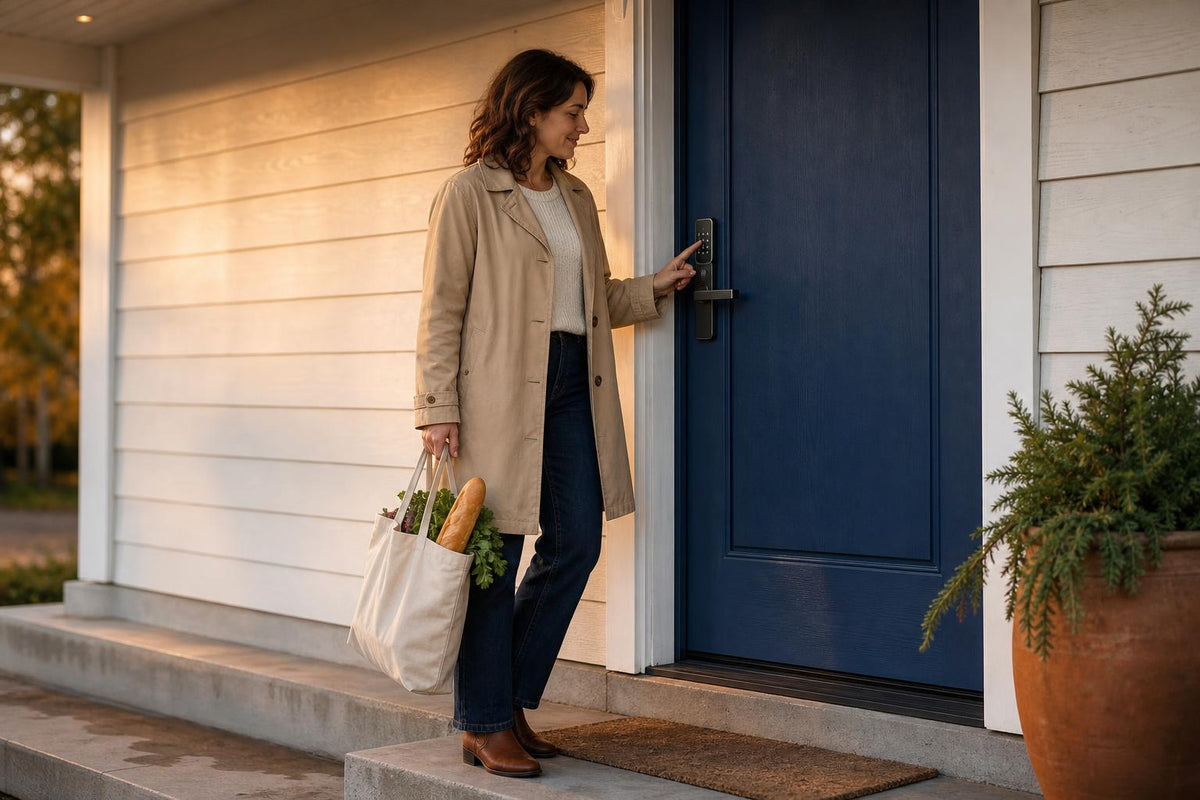
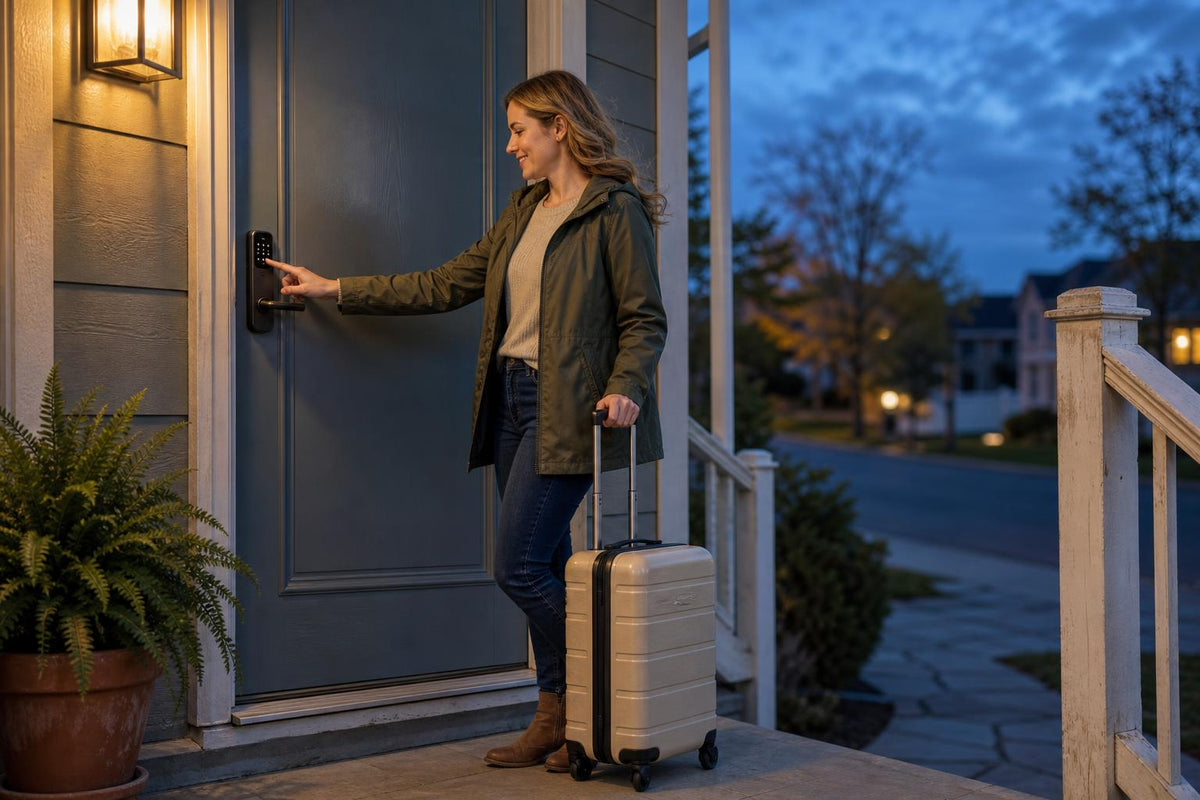
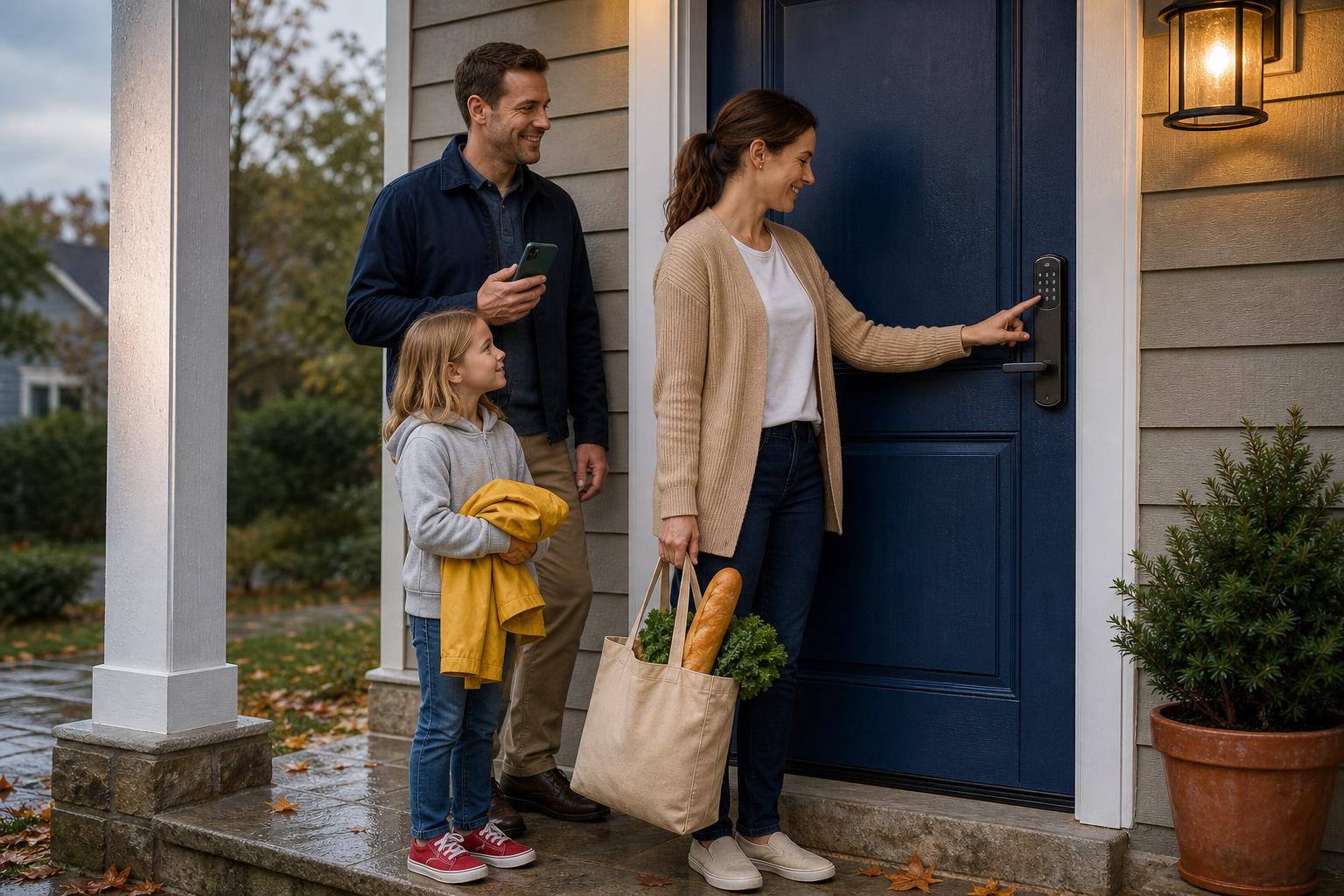
One popular option is "One-Touch Locking." Many Yale and Schlage models allow you to lock the door by simply touching the keypad with the back of your hand or pressing the brand's logo. Kwikset often includes a dedicated lock-shaped button for this purpose. Alternatively, some locks will engage the deadbolt if you re-enter your user code after closing the door.
The Fail-Safe: Manual Key Locking
Technology is great, but a reliable backup is essential. Every quality smart lock comes with a traditional keyhole for this very reason. It's your foolproof method to lock the door from the outside.
If the batteries die unexpectedly or you encounter a rare electronic glitch, the physical key ensures you can always secure your home. This combines smart convenience with old-school reliability for ultimate peace of mind.
"Set It and Forget It": Automated Ways to Lock Your Smart Lock
For those who want to eliminate the human error of forgetting, automated locking is a game-changer. These features work in the background, securing your home automatically so you have one less thing to worry about.

Auto-Lock: Your First Line of Defense Against Forgetfulness
The auto-lock feature is a core benefit for many smart lock owners. You can set a timer—typically ranging from 30 seconds to several minutes—and the lock will automatically engage the deadbolt after the door has been closed for that duration.
Brands like August and Schlage provide easy settings in their apps to customize this timer. This simple feature ensures your door is never left unlocked, even when you're in a rush. To learn more, explore the benefits of auto-lock features and how they enhance your home security.
Geofencing: Locking the Door Automatically as You Leave
Geofencing takes automation a step further by using your phone's GPS. You can set up a virtual boundary around your home, and when the system detects your phone has left this area, it automatically locks the door behind you.
For example, some Yale smart locks use geofencing to trigger the lock when you are more than 200 meters away from home. It's a seamless way to secure your house, especially when you're leaving in a car and can't easily use a keypad or app.
Door Sensors: The Smart Way to Prevent Misfires

A common concern with auto-locking is, "What if the door isn't fully closed?" Advanced models solve this with door sensors. The August Smart Lock with DoorSense™ technology is a prime example.
This small sensor can tell if the door is shut completely. The lock will only engage the auto-lock feature when it confirms the door is closed, preventing the deadbolt from extending into the doorframe and causing damage or a jam.
Smart Home Integration: Locking Your Door with Voice Commands
If you've built a smart home ecosystem, your lock can become a seamless part of it. Using voice commands is a convenient, hands-free way to secure your home as you're heading out.
Connecting Your Lock to Voice Assistants
Most modern smart locks, including those from SAWHERO, are designed to work with popular voice assistants like Amazon Alexa and Google Assistant. The setup process is usually straightforward, involving linking your smart lock account within the Alexa or Google Home app.
Essential Voice Commands for Hands-Free Security

Once connected, locking your door is as simple as saying, "Alexa, lock the front door." This is incredibly useful when you're in the car about to pull out of the driveway or when your hands are full.
For security, voice assistants handle locking and unlocking differently. While anyone can issue a lock command, unlocking your door almost always requires you to say a secure voice PIN to prevent unauthorized access.
Decision Matrix: Which Locking Method Is Right for You?
With so many options, choosing the best one depends on your daily routine and preferences. This table breaks down each method to help you decide what works best for your household.
Comparing Convenience, Speed, and Requirements
| Locking Method | Convenience | Required Device | Best For | Things to Note |
|---|---|---|---|---|
| Smartphone App | ⭐⭐⭐⭐⭐ (Remote) | Smartphone, Wi-Fi/Bluetooth | Checking lock status after leaving, remote locking for visitors. | Depends on network and phone battery. |
| Keypad (One-Touch) | ⭐⭐⭐⭐⭐ (Instant) | None | Daily departures, especially with full hands. | Feature is not available on all models. |
| Keypad (User Code) | ⭐⭐⭐⭐ | None | Daily departures without a phone. | Requires remembering a code. |
| Auto-Lock | ⭐⭐⭐⭐ | None (Built-in) | Forgetful users, busy families, a "set-and-forget" experience. | Be careful not to get locked out when taking out the trash. |
| Geofencing | ⭐⭐⭐⭐ | Smartphone (Location On) | Commuting, leaving by car. | Relies on GPS accuracy and can use more phone battery. |
| Voice Command | ⭐⭐⭐ | Smart Speaker / Phone | Locking from your car, hands-free security. | Requires initial setup with a smart home system. |
| Manual Key | ⭐⭐ | Physical Key | Battery failure, electronic system malfunction. | The most reliable backup plan. |
Common Questions About Locking a Smart Lock from Outside
Still have questions? Here are answers to some of the most common queries users have about locking their smart devices from the exterior.

How do I lock my Schlage, Kwikset, or Yale lock from the outside with the keypad?
For many Schlage and Yale models, you can simply press the brand logo or touch the full screen to engage the lock. Kwikset models often feature a dedicated button with a lock icon. Always check your specific user manual, as one-touch features can vary by model.
Can I lock my smart lock from the outside without an app or internet?
Absolutely. Both keypad locking and using the manual key are completely offline methods that don't require an app or an internet connection. The auto-lock feature also functions locally on the device itself.
What happens if the battery dies? Can I still lock it?
Yes. This is why every reputable smart lock includes a mechanical key override. You can always use the backup key to lock your door from the outside, ensuring you're never left unsecured.
How reliable is the auto-lock feature?

It's very reliable, especially on models equipped with a door sensor to confirm the door is shut. The key is to set a delay time that works for you, giving you enough time to get out without being accidentally locked out.
What is one-touch locking and how does it work?
One-touch (or single-touch) locking is a feature that lets you lock the deadbolt without entering a code. It works by having you touch a specific area on the keypad, which signals the motor to engage the lock, offering a quick and convenient way to secure your door as you leave.
Do I need a special hub or bridge to lock my door remotely?
It depends on the model. Many smart locks require a Wi-Fi bridge to connect to your router for remote access. However, newer models like a SAWHERO smart lock with built-in Wi-Fi have this technology included, simplifying installation and reducing clutter.
Final Thoughts on Securing Your Home Effortlessly
Smart locks offer an incredible amount of flexibility. From a simple tap on a keypad to fully automated geofencing, you can choose the method that best fits your routine and gives you the most confidence.
The best part is that you're in complete control. Understanding all the ways how to lock a smart lock from outside allows you to tailor your home security to your exact needs. If you have more questions, explore our help center for more tips and make the most of your smart home experience.