Protecting Your Treasures: Best Internal Smart Locks for Wine Cellars & Vaults

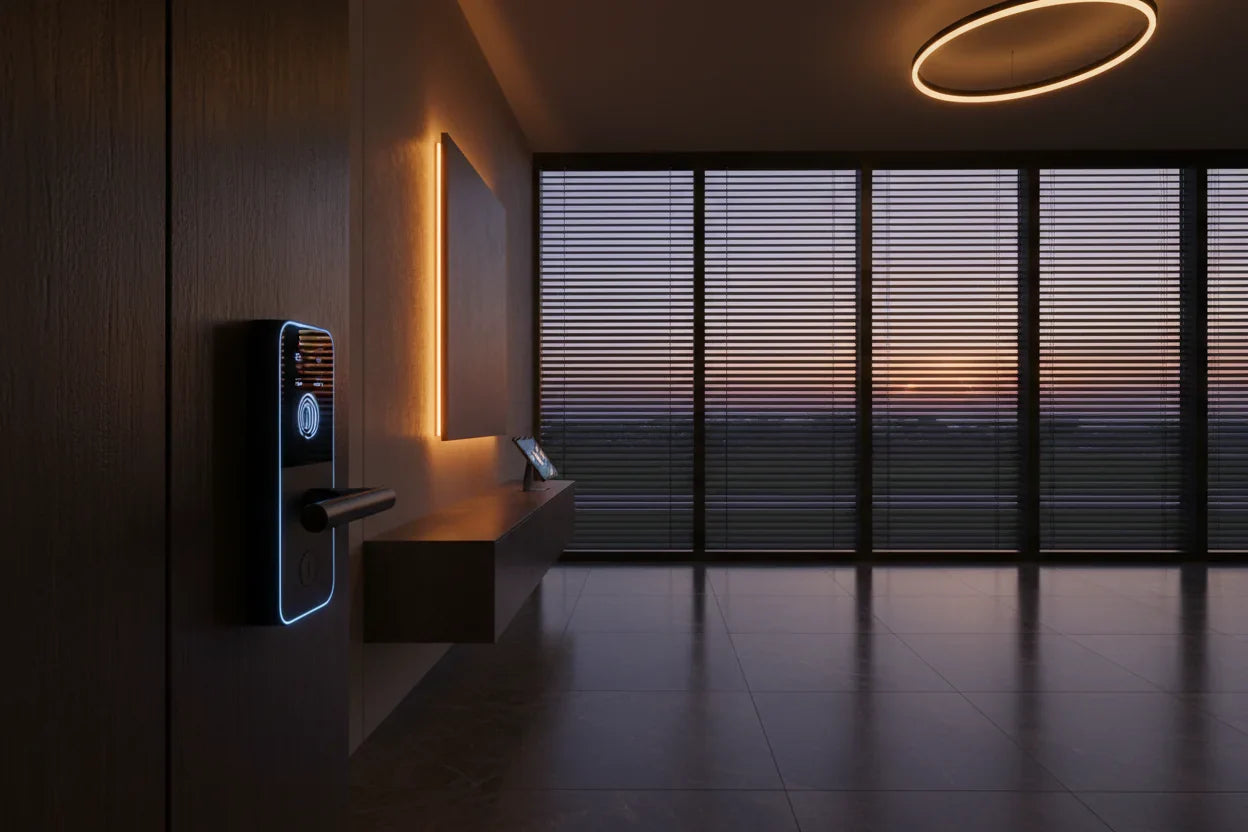
Protecting a fine wine collection or a vault of irreplaceable heirlooms requires more than just a standard lock. These high-value spaces demand a security strategy that's both robust and intelligent. Let's explore the best internal smart locks for wine cellars and vaults, helping you upgrade from a simple key to a modern system that offers superior control and peace of mind. We'll dive into the essential features for securing valuables inside your home, ensuring your treasures are protected with the best technology available.
Why Your Wine Cellar or Vault Needs More Than a Standard Lock

A simple lock and key might be enough for a bedroom, but it isn't quite cut out for spaces housing significant assets. The global smart lock market is projected to surpass $17 billion by 2034, driven by a growing demand for advanced security. For wine cellars and vaults, the need is even more critical, revolving around asset value, precise access control, and unique environmental considerations.
Beyond Burglary: Controlling Access and Monitoring Environment
The goal isn't just to prevent a break-in; it's about meticulously managing who gets in and when. You need to prevent curious children or houseguests from accidentally entering and potentially damaging a temperature-sensitive wine collection. It's also about accountability-logging every entry by cleaning services or maintenance staff provides a clear record.
Looking ahead, the next frontier in collection security is environmental monitoring. Some high-end systems are beginning to integrate temperature and humidity sensors with access control, sending you an alert if conditions in your cellar fall outside the optimal range. This proactive approach helps protect your investment from threats beyond theft.
The Modern Collector's Dilemma: Convenience vs. Reliability
Many collectors face a tough choice: the proven, time-tested reliability of a mechanical lock versus the convenience of a modern electronic one. Some users on forums like The High Road still champion traditional dial locks for their independence from batteries and electronics, which could fail.
However, electronic locks offer game-changing features like remote access, automatic logging, and the ability to change codes instantly. While the fear of a dead battery or a glitch is valid, top-tier smart locks address these concerns head-on with long battery life, low-power alerts, and multiple emergency backup options, offering a compelling blend of modern convenience and dependable security.
Key Features to Look for in Smart Locks for Wine Cellars and Vaults
Choosing the right smart lock means looking beyond standard features. Your decision should be based on a clear set of criteria designed for high-security internal spaces. From security certifications to access methods, these are the key features that truly matter when protecting your most valuable collections.
Uncompromising Security: ANSI Grades, Offline Access, and Backup Plans
The first checkpoint is the lock's physical toughness, indicated by its ANSI/BHMA grade. For a vault or cellar, you should only consider a Grade 1 certified lock, which is the highest residential rating and signifies commercial-grade resistance against tampering and forced entry. Brands like Schlage are well-known for their focus on achieving this top-tier rating.
What if your Wi-Fi fails? The best locks offer offline access. For example, some igloohome products use an innovative algoPINT technology that lets you generate time-sensitive access codes remotely, without the lock needing to be connected to the internet. Always look for a backup power plan, like a discreet USB-C port or 9V battery terminal, which ensures you can power the lock externally if the internal batteries die unexpectedly.
Granular Access Control: Biometrics, Temporary Codes, and Audit Trails

Your lock should offer a range of access methods to suit different scenarios. A biometric cabinet lock using your fingerprint offers the ultimate in personal, keyless convenience for the primary owner. For service professionals or guests, you can issue temporary PIN codes that expire after a set time or a single use.
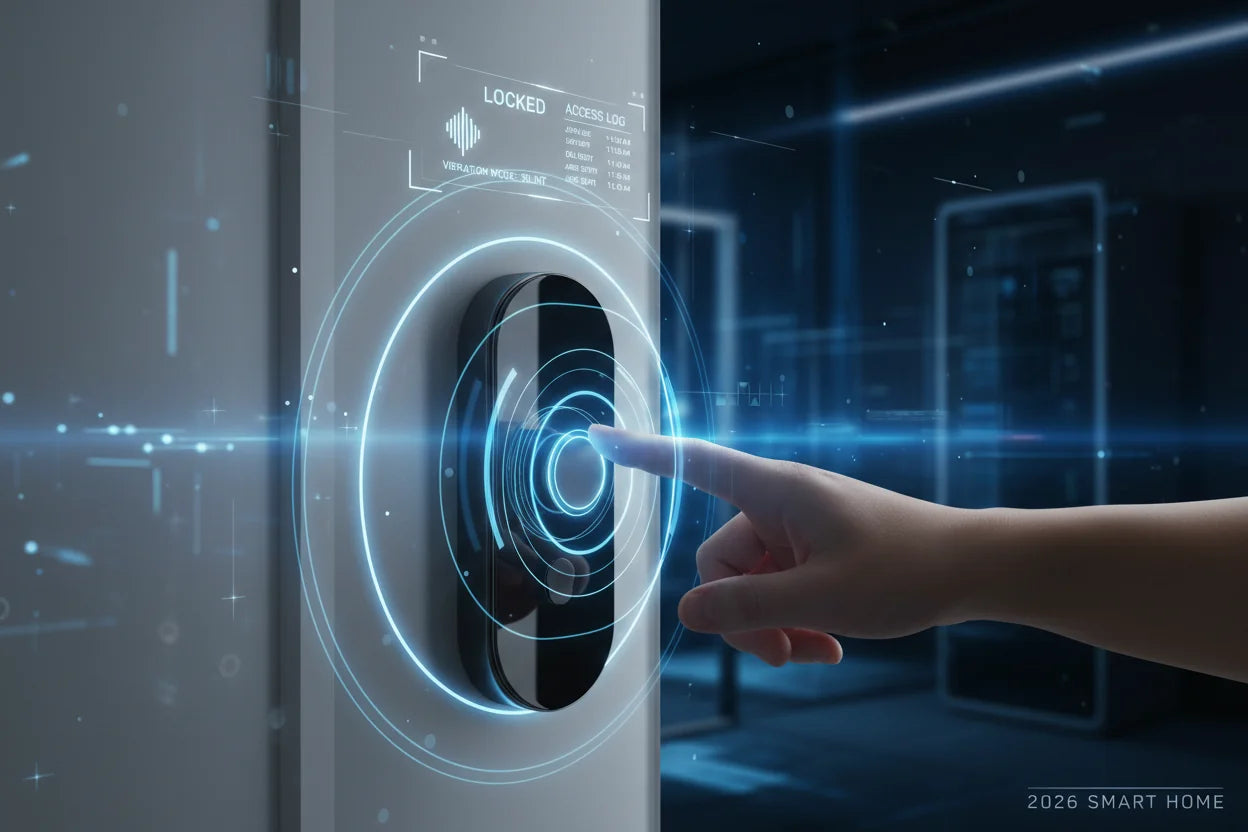
A detailed audit trail, or access log, is non-negotiable. Your smart lock's app should provide a complete history of who unlocked the door, how they did it (fingerprint, code, app), and the exact time. This feature is invaluable for tracking access and ensuring accountability.
Smart Integration: Connectivity Without Compromise

A lock with built-in Wi-Fi, like the SAWHERO SentriKey Smart Lock, offers the most convenience, allowing you to manage access from anywhere without needing an extra bridge or hub. However, be aware that constant Wi-Fi connectivity can drain batteries faster. Other options like Bluetooth, or even Zigbee for wider smart home integration, are more power-efficient.
For a seamless experience, check for compatibility with your existing smart home ecosystem, such as Apple Home, Amazon Alexa, or Google Assistant. This allows you to include the lock in security routines, like having lights turn on inside the cellar when the door is unlocked.
Top 5 Internal Smart Locks for Securing Your High-Value Collections
Based on our criteria, we've analyzed the market to identify the leading smart locks for interior high-security needs. These models offer the right mix of security, advanced access control, and reliability, backed by positive reviews from trusted sources like CNET and PCMag.
Decision Matrix: Comparing the Best Smart Locks for Vaults & Cellars
This table provides a quick overview of our top picks, allowing you to compare their most important features at a glance. Each one excels in different areas, helping you find the perfect match for your specific security needs.
| Model | Security Grade (ANSI) | Access Methods | Offline Capability | Power Backup | Smart Home Integration | Best For |
|---|---|---|---|---|---|---|
| Yale Assure Lock 2 | Grade 2 | Fingerprint, Code, App, Key | Bluetooth, Key | 9V Battery | Apple Home, Alexa, Google | Smart Home Integration |
| Schlage Encode Plus | Grade 1 | Code, App, Key, Apple Home Key | Code, Key | 9V Battery | Apple Home, Alexa, Google | Highest Security |
| Aqara U100 | Not Rated | Fingerprint, Code, App, NFC, Key | All except App | USB-C | Apple Home, Alexa, Google | Apple Home Key Users |
| August Wi-Fi Smart Lock | Not Rated (uses existing deadbolt) | App, Code (with keypad), Key | Bluetooth, Key | N/A (uses existing key) | Apple Home, Alexa, Google | Easy Retrofit Installation |
| Ultraloq U-Bolt Pro Wi-Fi | Grade 2 | Fingerprint, Code, App, Key, Shake-to-Open | All except App | Micro-USB | Alexa, Google, IFTTT | Access Method Versatility |
In-Depth Reviews: Pros and Cons for the Discerning Collector
The Yale Assure Lock 2 is praised by CNET as the best overall smart lock for its sleek design and broad platform compatibility. While it's a strong Grade 2 lock, those needing the absolute highest physical security might prefer a Grade 1 option. The Schlage Encode Plus is a security powerhouse, boasting that coveted ANSI Grade 1 rating, making it ideal for vaults. Its primary drawback is a higher price point.
For a seamless installation, the August Wi-Fi Smart Lock is a top retrofit model that installs over your existing hardware in minutes. The Ultraloq U-Bolt Pro Wi-Fi, rated highly by PCMag, is a versatile champion, offering six ways to unlock. Its design might not suit all aesthetics, but its functionality is hard to beat. Finally, the Aqara U100 is a fantastic choice for those deep in the Apple ecosystem, offering full Home Key support. If you need assistance choosing or installing a lock, our Help Center is a great resource.
Installation and Power Management: Practical Considerations
Once you've selected a lock, a few practical considerations will ensure a smooth experience. Proper installation is key to the lock's security, and understanding how to manage its power will prevent you from ever being locked out.
DIY Installation vs. Professional Help
Many smart locks, especially retrofit models like the August, are designed for easy DIY installation with just a screwdriver. Most homeowners can complete the process in under 30 minutes. However, for a heavy-duty vault door or a custom-built wine cellar entrance, professional installation is often worth the investment. A pro can ensure the lock is perfectly aligned and functions flawlessly, which is critical for maintaining the integrity of your high-security space.
Case Study: A Seamless Tasting Event

James, a wine collector, was preparing for a private tasting event. Using his smart lock's app, he generated a temporary code for the sommelier that was only active for a three-hour window on the event day. The sommelier gained access without needing a physical key or a permanent code, and James received a notification the moment the door was locked after the event, ensuring his collection was secure.
Maximizing Battery Life and Handling Power Emergencies
A smart lock's battery life can range from a few months to over a year. To maximize it, turn on power-saving modes if available and understand that heavy Wi-Fi usage for remote unlocking drains power fastest. One user specifically praised their Yale Assure lock's long battery life for their wine cellar.
Always enable low-battery notifications in the app. If the batteries do die, don't panic. Familiarize yourself with the emergency power method-whether it's touching a 9V battery to terminals on the bottom or plugging in a power bank via USB-C. This simple knowledge can save you from a major headache.
Frequently Asked Questions (FAQ)
Here are answers to some of the most common questions collectors have when considering internal smart locks for wine cellars and vaults.
- Q1: Can a smart lock be used on a thick vault door?
- A: It depends. Many consumer-grade smart locks are designed for standard residential doors. For thicker vault doors, you'll likely need a commercial-grade smart lock or a specialized model with an extension kit. Always check the manufacturer's specified door thickness compatibility before purchasing.
- Q2: Are biometric smart locks reliable for a wine cellar environment?
- A: Yes, modern biometric sensors are highly reliable. However, the cool, sometimes damp environment of a wine cellar can occasionally affect fingerprint readings. It's wise to choose a lock with multiple access methods, like a keypad or app unlock, as a consistent backup.
- Q3: What happens to the smart lock if my home Wi-Fi goes down?
- A: The lock will continue to function locally. Access methods that don't require an internet connection-such as the keypad, fingerprint scanner, physical key, and Bluetooth via your phone's app when you're nearby-will still work perfectly. You will only lose the ability to unlock or manage the lock remotely.
- Q4: Is it possible to grant temporary access to my wine cellar for a tasting event?
- A: Absolutely. This is a core strength of smart locks. You can create temporary or one-time-use PIN codes for guests, caterers, or sommeliers. You can set these codes to be active only for specific dates and times, and they automatically expire afterward.
- Q5: How do smart locks hold up against electronic hacking attempts?
- A: Reputable manufacturers use strong encryption (like AES 128-bit or higher) for their data transmissions, making them very difficult to hack. It's crucial to use a strong, unique password for your smart lock app account and enable two-factor authentication if available to add another layer of security.
- Q6: Between a smart lock and a traditional mechanical lock, which is truly more secure for a vault?
- A: This is a point of debate. A high-quality mechanical lock (like a dial lock) has proven long-term reliability against failure. However, a top-tier (ANSI Grade 1) smart lock offers superior access control, logging, and remote management, which can prevent unauthorized use far better than a key that can be lost or copied. The "more secure" option depends on whether your priority is mitigating electronic failure or controlling access.
The Final Verdict: Securing Your Legacy with the Right Smart Lock
Ultimately, choosing the right smart lock is a crucial step in securing valuables inside your home. The best internal smart locks for wine cellars and vaults blend robust physical security with the intelligent control that modern technology provides. By prioritizing features like a Grade 1 security rating, flexible access controls, and reliable backup plans, you can protect your collection with confidence.
Your final decision will balance your personal needs for security, convenience, and budget. By investing in the right solution, you're not just buying a lock; you're safeguarding a legacy. Explore our range of high-security smart lock solutions on the SAWHERO homepage to find the perfect fit for your treasures.