What Exactly Is a "No-Hub" WiFi Smart Lock?
If you're diving into the world of smart homes, the term "hub" can be confusing. A wifi smart door lock no hub is as straightforward as connecting your cell phone to your home WiFi. There's no middleman device required, making it an incredibly simple solution.
This simplicity is the core advantage. These locks have a WiFi chip built directly inside, allowing them to communicate with your router and the internet on their own. This direct connection powers all the remote features you want in a smart lock.
The Magic of Direct Connection: How It Simplifies Your Smart Home
A no-hub smart lock contains an integrated WiFi module. This allows it to join your home's wireless network, just like a laptop or smart speaker. Once connected, it can send and receive information over the internet.
This setup enables real-time notifications on your phone when someone locks or unlocks the door. It also facilitates true remote control, letting you grant access to a visitor from your office miles away. Unlike Zigbee or Z-Wave devices that need a hub to translate their signals, a WiFi lock speaks the language of the web natively.
True Remote Access Straight Out of the Box
For most people, a no-hub setup offers immediate, practical benefits. You have fewer devices to purchase, which means a lower upfront cost. The installation process is also significantly simpler without needing to set up and pair an additional piece of hardware.
This streamlined approach is ideal for renters who can't install complex systems or homeowners who want a hassle-free upgrade. It removes unnecessary complexity so you can focus on the benefits of a modern, connected entryway.
The Big Trade-Off: No-Hub WiFi vs. Hub-Required Smart Locks
Choosing between a no-hub WiFi lock and a system that requires a hub (like Zigbee or Z-Wave) comes down to a few key trade-offs. Each approach has distinct strengths suited for different users and smart home setups.
To make the decision clearer, it helps to see the differences side-by-side. We've broken down the most important factors, from installation complexity and battery performance to the potential for smart home integration.
Head-to-Head Comparison Matrix
Use this table to quickly compare the two dominant types of smart locks. Consider which factors are most important for your home and lifestyle to guide your choice.
| Feature | No-Hub WiFi Smart Lock | Hub-Required Lock (Zigbee/Z-Wave) | Who It's Best For |
|---|---|---|---|
| Installation & Setup | Very Easy (Direct to WiFi) | Moderate (Requires Hub setup) | DIY beginners, renters |
| Upfront Cost | Lower (Lock only) | Higher (Lock + Hub) | Budget-conscious users |
| Remote Access | Native, out of the box | Requires the Hub to be online | Users needing immediate remote control |
| Battery Life | Shorter (2-4 months) | Much Longer (11-19 months) | Users who prioritize low maintenance |
| Network Dependency | Relies on stable WiFi | Creates its own stable mesh network | Homes with spotty WiFi should be cautious |
| Ecosystem Integration | Excellent with Alexa/Google | Varies, can be more complex | Users deep in a specific smart home ecosystem |
Is a No-Hub WiFi Smart Lock Right for You? Key Benefits & Downsides
When you start shopping, you'll find a lot of options. To cut through the noise, focus on a few key features that separate a good smart lock from a great one. These are the details that ensure your lock is not just smart, but also secure, reliable, and easy to live with.
Why You'll Love It: Unmatched Convenience for Modern Life
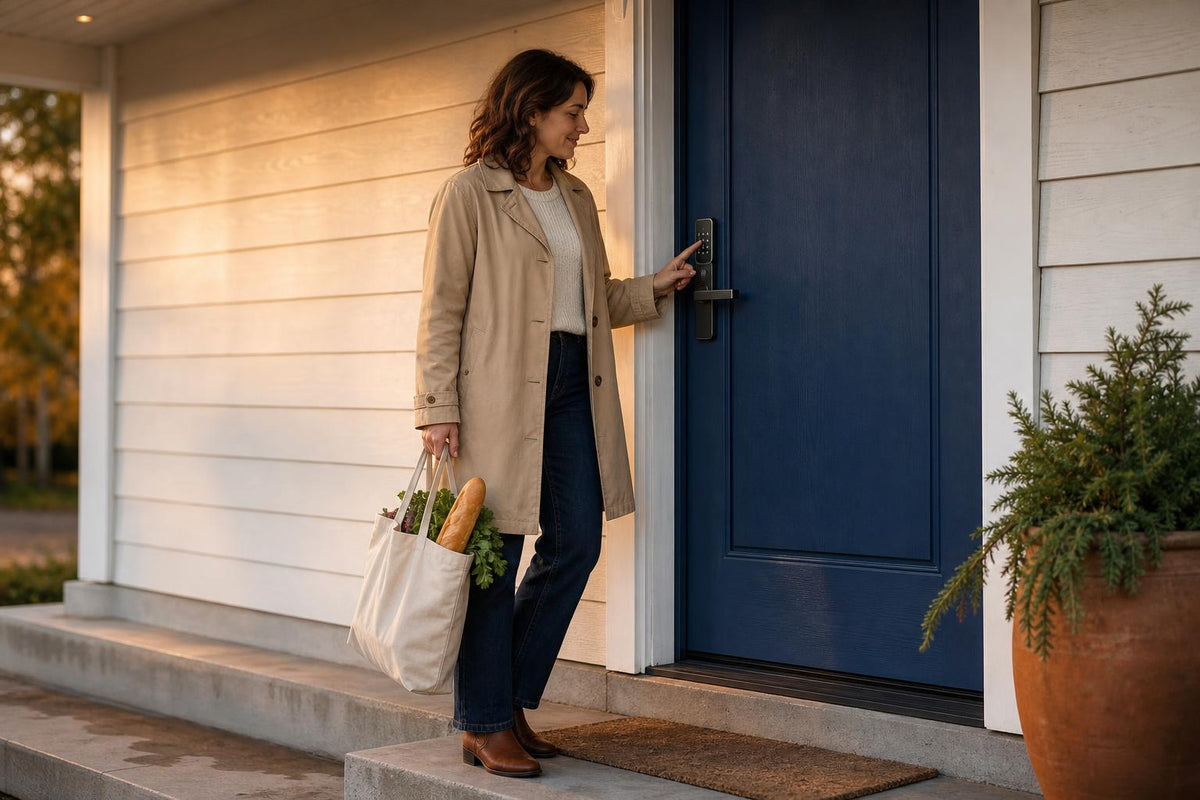
The primary reason people choose a WiFi lock is the freedom of remote access. You can grant temporary codes to guests, create recurring access for a dog walker, or check the activity log to see when your kids got home from school, all from your phone.
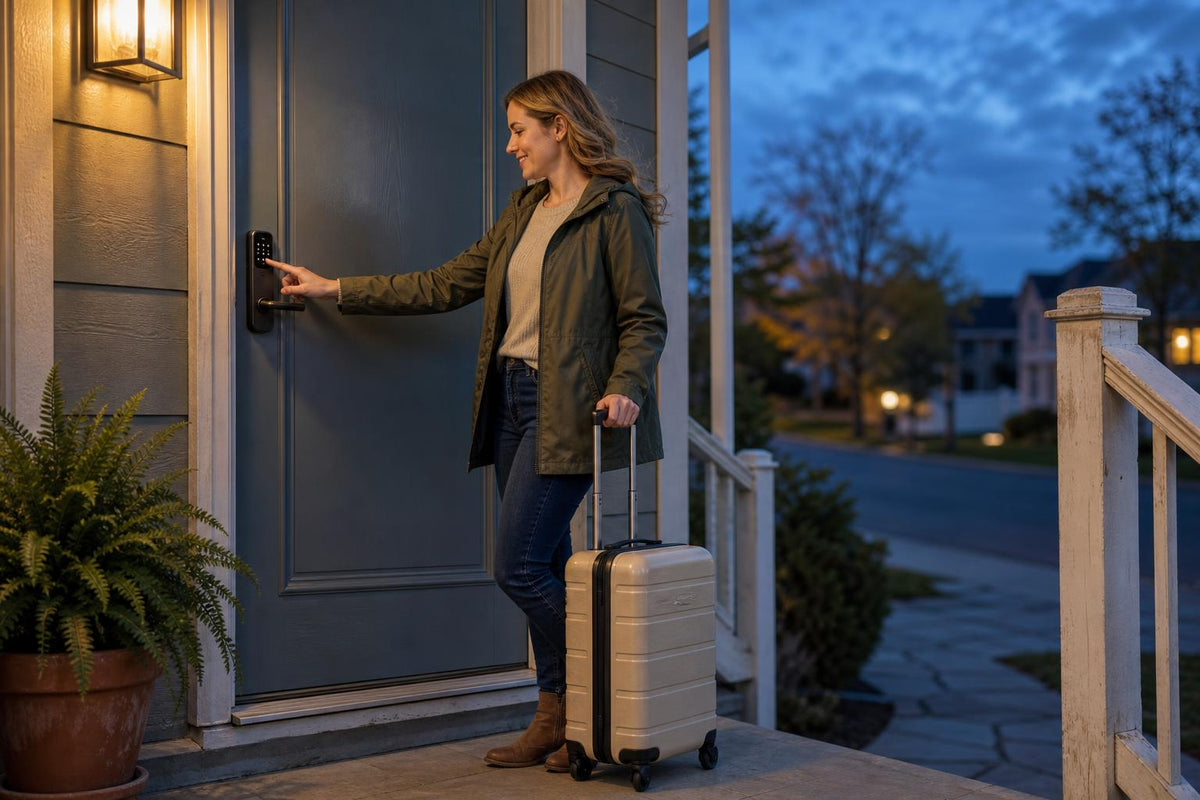
Case Study for an Airbnb Host: Sarah runs a short-term rental. She generates a unique, temporary access code for each guest from her phone. She receives a notification when they check in, and the code automatically expires after their stay, enhancing security and saving her hours each week.
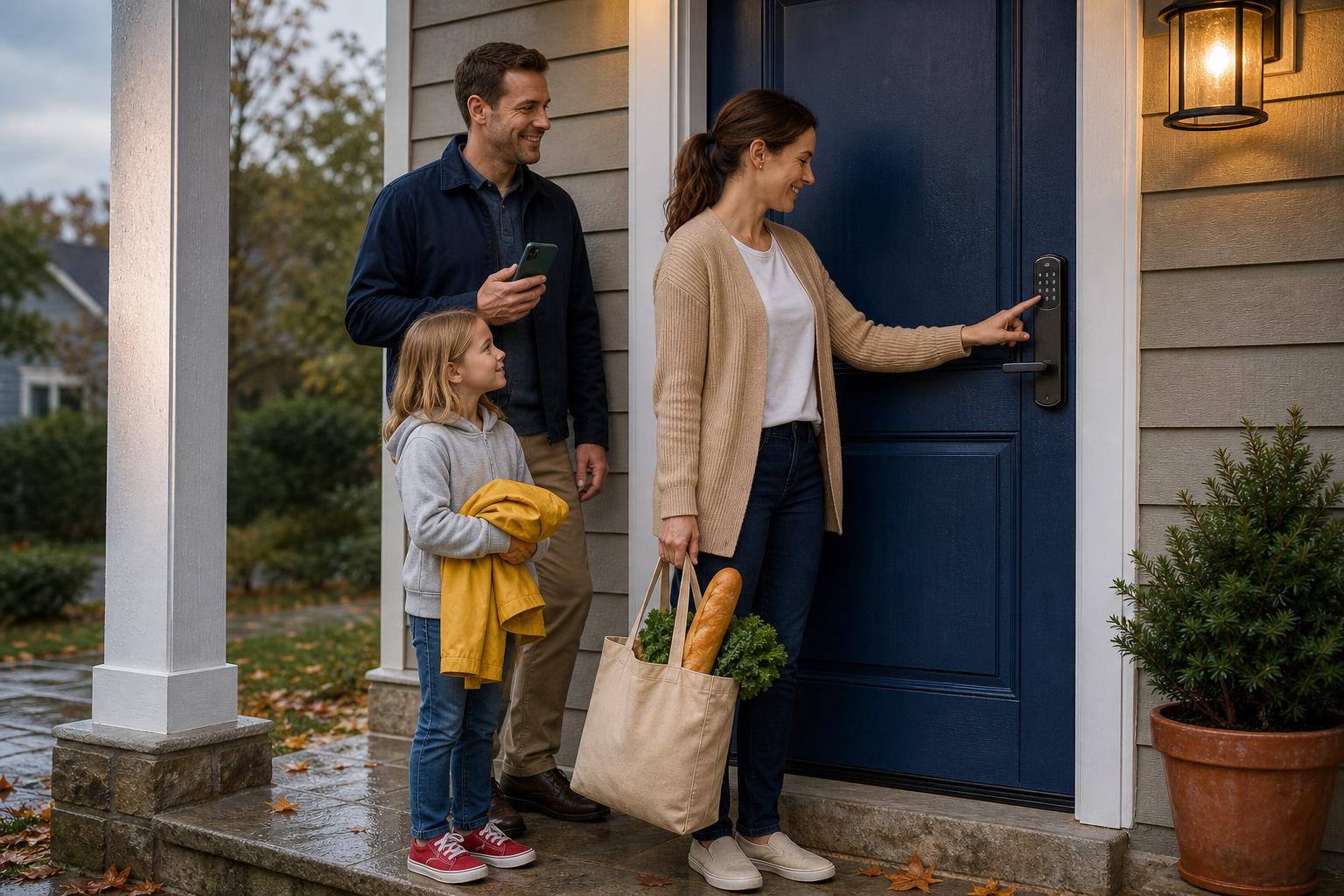
Case Study for a Busy Family: The Miller family can check the access log on their SAWHERO A1 smart lock to confirm when the dog walker arrived. If their kids forget their keys after school, they can unlock the door remotely right from their office, providing both convenience and peace of mind.
Why DIY-Friendly Installation and Backup Options Are Crucial
One of the biggest selling points of a no-hub system is simplicity, and that should extend to the installation. The best locks are designed for a straightforward, DIY setup that takes only minutes with a screwdriver, saving you the high cost of a professional locksmith. Our smart door lock installation guide shows just how simple it can be.
It's also critical to have backup options. Look for features like a physical key, a PIN code keypad, or fingerprint access. These alternatives ensure you can always get in, even if the power is out or the batteries have run down.
What to Be Aware Of: Battery Drain and WiFi Reliability
Let's be real: no technology is without its trade-offs. When it comes to a wifi smart door lock no hub, the two biggest questions people have are about battery life and security. Understanding these aspects will help you make a decision you're happy with for years to come.
The Reality of Battery Drain: What to Expect and How to Manage It
Here's the deal: the biggest drawback of WiFi locks is battery consumption. According to user reports and tech reviews from outlets like Tom's Guide, you can expect a battery life of 2-4 months for most WiFi locks. This is a significant difference compared to the 12+ months a hub-based Zigbee lock might offer. If you find your smart lock battery draining fast, its constant WiFi connection is likely the reason.
To manage this, look for locks that use common battery types like AAs and send low-battery alerts to your phone well in advance. Some models even feature a USB-C port for emergency power, allowing you to use a power bank to get in if the batteries die unexpectedly.
How Secure Is a Directly-Connected Smart Lock?
A device connected to the internet naturally raises security questions. According to Security.org, while most Americans own a smart home device, 57% are concerned about data privacy and 46% fear being hacked. Reputable brands address this by using AES bank-grade encryption and regular firmware updates to protect against threats.
While no internet-connected device can be completely invulnerable, these measures create a highly secure environment. The key is choosing a trusted brand that prioritizes security protocols to ensure your peace of mind.
Making Your Choice: Who Benefits Most from a No-Hub Lock?
Now that you know the pros and cons, how do you decide? The answer depends on your lifestyle and priorities. A no-hub lock isn't for everyone, but for certain people, it's a highly effective solution.
Ideal Scenarios: Renters, Landlords, and Smart Home Beginners
This type of lock is tailor-made for simplicity and convenience. Renters love it because it doesn't require permanent modifications. Landlords and Airbnb hosts rely on it for easy remote management of guest access across multiple properties.
If you're just starting your smart home journey, a wifi smart door lock no hub is one of the easiest and most impactful upgrades you can make. It offers immediate benefits without the complexity of a larger, hub-based system.
When to Consider a Hub-Based System Instead
To be objective, there are times when a hub-based system is a better fit. If you're a serious smart home enthusiast planning to connect dozens of devices (lights, sensors, locks), a Zigbee or Z-Wave hub can create a more robust and stable network that doesn't strain your WiFi.
Additionally, if you absolutely prioritize battery life above all else and want to avoid changing batteries more than once a year, a hub-based lock is likely the better choice for you.
Your Questions Answered: A No-Hub WiFi Smart Lock FAQ
You've got questions, and we've got answers. Here are some of the most common queries we hear about no-hub WiFi smart locks, addressed directly to help you make an informed decision.
-
Q: What happens if my WiFi network goes down?
A: Your remote features (app unlock, notifications) will be temporarily unavailable, but you can still use the keypad, fingerprint, or physical key to get in. -
Q: How difficult is the DIY installation process?
A: Most models are designed to replace a standard deadbolt and can be installed in about 15-30 minutes with just a screwdriver. You can find detailed video tutorials in our Help Center. -
Q: Are these locks secure against hacking?
A: As CNET's security experts often note, any connected device has theoretical risks. However, reputable brands use multiple layers of security, like AES 256-bit encryption, to make them extremely difficult to compromise. -
Q: Can I install a no-hub smart lock myself?
A: Absolutely. Most are designed for DIY installation and fit standard doors. The process usually takes under 30 minutes with just a screwdriver. -
Q: Does it work with Alexa or Google Assistant?
A: Yes, most modern no-hub WiFi locks integrate seamlessly. You can lock the door or check its status using simple voice commands. -
Q: Are there models with backup power options?
A: Some models feature a USB-C port for emergency power if the batteries die, allowing you to use a power bank to temporarily power the lock and enter your code.
The Bottom Line: Is a No-Hub Lock the Smartest Choice for You?
The bottom line is this: a no-hub WiFi smart lock is an excellent choice if your priorities are convenience, easy installation, and powerful remote access features right out of the box. It represents an excellent starting point for anyone new to smart home technology.
If you're a renter, an Airbnb host, or a busy homeowner who wants to simplify granting access, this type of lock is made for you. The trade-off is more frequent battery changes, but for many, the immense convenience of a wifi smart door lock no hub is well worth it.
Ready to simplify your home access without the clutter of extra hubs? Explore the SAWHERO line of WiFi smart door locks that offer robust security and ultimate convenience, designed for the modern household.