Smart Lock Dead Battery? 5 Emergency Ways to Get Inside (2026 Guide)
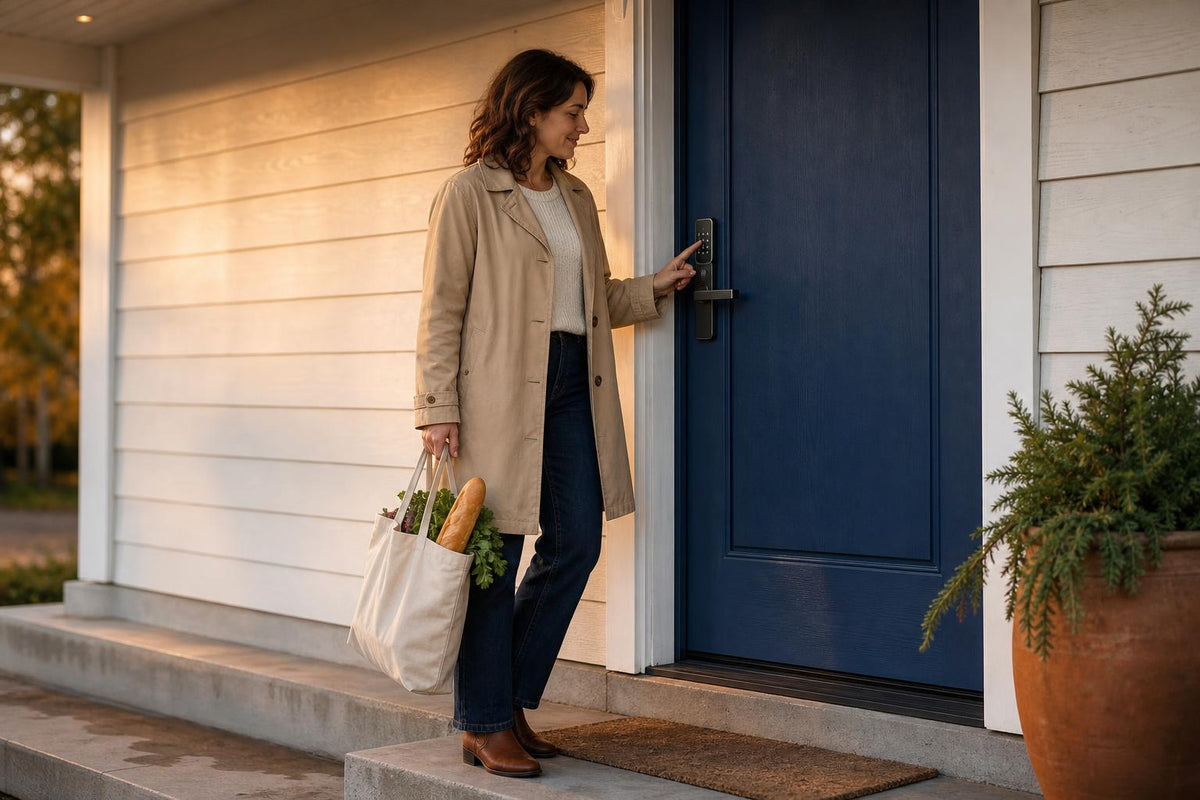
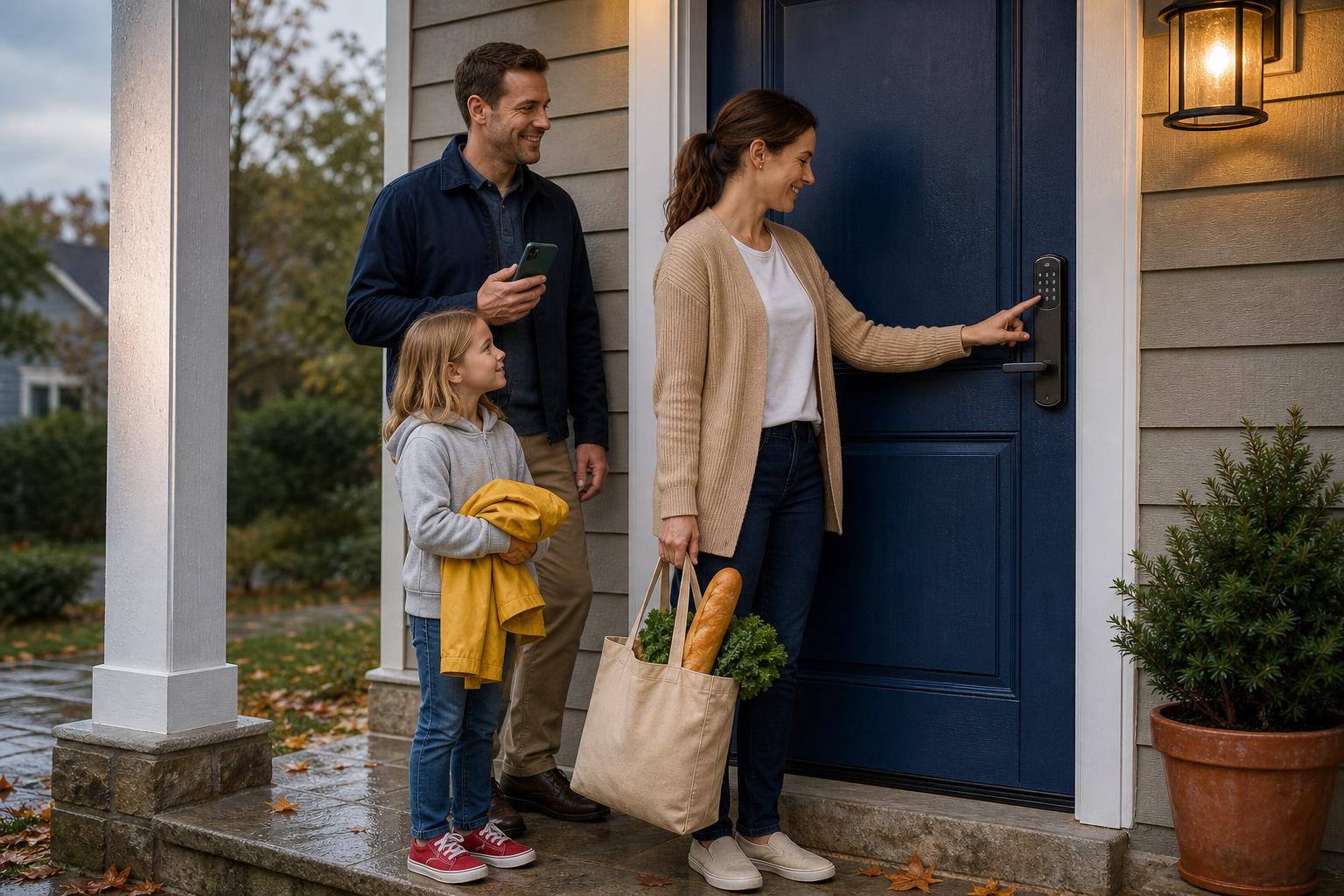
It’s a sinking feeling. You're juggling kids and groceries, you finally get to your front door, and the keypad on your smart lock is completely unresponsive. A **smart lock dead battery** has struck. Before you start thinking about breaking a window, take a deep breath. This is a common issue, and manufacturers have built-in multiple failsafe methods so you're never truly locked out.
Almost every keyless lock has a backup plan. This guide will walk you through five proven emergency methods to get back inside your home quickly when your smart lock's battery dies. We'll also cover simple tips to prevent this from ever happening again. For robust solutions, exploring options like SAWHERO Smart Locks can provide long-term peace of mind.
First Steps: How to Handle a Smart Lock Dead Battery
When you're faced with a smart lock whose battery died, you need a solution—fast. Let's cut straight to the most reliable and common emergency access methods. One of these will almost certainly get you back inside without a fuss.
The Ultimate Failsafe: Using the Physical Key Override
The most dependable backup is the one that doesn't rely on power at all: a traditional mechanical key. The vast majority of smart locks come with a set of physical keys for this exact situation. The keyhole is often cleverly hidden behind a small sliding cover or a decorative plate to maintain the lock's modern look.
Your first step in a **smart lock dead battery** situation should always be to find this hidden keyhole. Remember to store your backup key somewhere safe and accessible outside your home—like with a trusted neighbor or in your car's glove compartment, not inside the house.
The Classic Trick: Jump-Starting with a 9V Battery
A clever feature in many popular smart locks is a pair of external terminals for a 9V battery jump-start. You can usually find these two small metal contacts on the bottom edge of the exterior lock housing. By pressing the terminals of a standard 9V battery against these contacts, you provide temporary emergency power to the lock's electronics.
This jolt of power is enough to wake up the keypad, allowing you to enter your code and unlock the door. As demonstrated in tutorials for models like the Yale Assure Lock and some Schlage locks, holding the battery in place for just a few seconds is all it takes. It's a smart idea to keep a spare 9V battery in your car for this purpose.
The Modern Solution: Emergency Power via USB-C Port
Newer smart locks are increasingly adopting a more modern approach with an emergency USB power port. Instead of 9V terminals, these locks feature a Micro-USB or, more commonly, a USB-C port, often located on the bottom of the lock.
If your smart lock's battery dies, you can connect a portable power bank—the same kind you use for your cell phone—to this port. This will instantly power the lock, letting you use the keypad or your fingerprint to get inside. The SAWHERO Sentrikey Smart Lock and the Wyze Lock Bolt are great examples that feature this convenient USB-C backup.
Brand-Specific Guides for a Smart Lock Dead Battery
Different brands handle a **smart lock dead battery** in slightly different ways. Knowing the specifics for your lock can save you valuable time and frustration. Here’s a quick rundown of how some of the most popular brands approach the problem.
| Brand | Primary Emergency Method | External Power Option | Recommended Battery |
|---|---|---|---|
| Schlage Encode | Physical Key | 9V Jump-Start (select models) | AA Alkaline |
| Yale Assure Lock | Physical Key | 9V Jump-Start | AA Alkaline |
| August Wi-Fi Smart Lock | Original Physical Key | None | CR123A / AA |
| Wyze Lock Bolt | Original Physical Key | USB-C Port | AA Batteries |
| Lockly | Physical Key | 9V Jump-Start | AA Alkaline/CR123A |
| SAWHERO | Physical Key (5 included) | Type-C Port | 4x AA Batteries |
The SAWHERO lock stands out by providing both the modern USB-C port and a generous supply of five physical keys, offering a comprehensive safety net against any power failure.
From Panic to Prevention: How to Avoid Another Lockout
Getting back inside is the immediate goal, but preventing the problem is the best long-term strategy. With a little proactive care, you can ensure your **smart lock dead battery** incident is a one-time event, keeping this core part of your smart home security reliable.
The Great Battery Debate: Alkaline vs. Lithium vs. Rechargeable
It might be tempting to use rechargeable batteries, but most smart lock manufacturers, including Schlage and August, strongly advise against them. According to technical documentation from companies like Energizer, rechargeable batteries often have a lower voltage, which can cause performance issues and provide inaccurate battery level readings.
High-quality alkaline batteries are the most commonly recommended choice. Lithium batteries can offer a longer life, especially in cold weather, but their different voltage discharge curve might lead to unreliable low-battery warnings. The safest bet is to always follow the manufacturer's specific recommendation for your model.
Proactive Checklist: 3 Tips for Maximizing Battery Life
Here’s a simple checklist to keep your smart lock powered and reliable:
- Pay Attention to Warnings: Don't ignore low-battery alerts. Most brands will notify you when the battery hits around 25% capacity, which is the perfect time to replace them and avoid a **smart lock dead battery**.
- Check Door Alignment: A misaligned door forces the deadbolt's motor to work harder. This extra friction is a major cause of rapid battery drain. Ensure your door closes smoothly, a key step in our installation guide.
- Optimize Network Connection: For Wi-Fi enabled locks, a weak signal drains the battery as it constantly searches for a connection. As noted in reviews by outlets like CNET, a stable connection is key to long battery life.
For more maintenance tips, check out our Help Center.
Frequently Asked Questions about Smart Lock Dead Battery Issues
Q1: How long do batteries typically last in a smart lock?
A: It varies greatly. Bluetooth-only locks can last a year or more, while Wi-Fi connected locks typically last 3-8 months. According to extensive tests by Wirecutter, factors like frequency of use, weather, and door alignment all impact battery life.
Q2: Will I get a warning before my smart lock battery dies?
A: Yes. Virtually all smart locks provide low-battery warnings through their app, email, and often an alert on the lock itself. However, it's wise to check your battery status periodically to prevent a **smart lock dead battery** surprise.
Q3: Can I use rechargeable batteries in my smart lock?
A: Most manufacturers, like Schlage and August, advise against them. Their lower voltage can lead to performance glitches and inaccurate battery readings. Always use the recommended battery type for your specific lock.
Q4: What happens if the power or Wi-Fi goes out?
A: A power or Wi-Fi outage will not affect core functions. Access codes, fingerprints, and the key work locally. You only lose remote features until the connection is restored, which is different from a **smart lock dead battery** problem.
Q5: Is there a fifth way to get in if all else fails?
A: Yes, the last resort is to call a professional locksmith. They have specialized tools to open your door without damage. This is the most expensive option and should only be considered when you have a **smart lock dead battery** and all other methods have failed.
Stay Prepared and Never Get Locked Out Again
A **smart lock dead battery** can feel like a disaster, but it's really just an inconvenience with several built-in solutions. By understanding your lock's backup features, you can turn a moment of panic into a minor, manageable hiccup. Being prepared is always the best strategy for smart home devices.
To ensure you're never left in the cold, remember these takeaways: always keep a physical key stored securely outside your home, have a backup 9V battery or charged power bank accessible, and pay attention to low-battery warnings. By staying prepared, you can enjoy all the convenience of your smart lock without the anxiety.