The Core Debate: Subscription Convenience vs. Long-Term Control
As the smart apartment market is projected to hit $7.55 billion by 2030, property managers face a pivotal decision. The choice is no longer just about keys, but about entire access ecosystems. Do you opt for the bundled convenience of Lock-as-a-Service (LaaS), or retain full control with the traditional Ownership model? This isn't just a technical upgrade; it's a strategic choice impacting your budget, operations, and resident satisfaction for years to come.
This guide compares the true costs, operational workflows, and real-world feedback on the Lock-as-a-Service (LaaS) vs. Ownership debate, giving you a clear framework for making the right call for your portfolio.
What is Lock-as-a-Service (LaaS)? The "All-in-One" Ecosystem
Think of LaaS as a subscription package for your building's access. Companies like Latch, SmartRent, and Salto KS bundle hardware, software, and ongoing support into a single monthly fee. It's often positioned as a "building operating system" that handles everything from resident access to deliveries and maintenance requests through a central dashboard.
The cost structure is typically a recurring fee per unit. For example, Latch has offered pricing tiers from $3 to $12.50 per apartment each month. You get a streamlined, outsourced solution, but you're renting the ecosystem, not owning the components.
What is the Ownership Model? Direct Purchase and Management
The Ownership model is exactly what it sounds like: you purchase the smart lock hardware upfront from trusted brands like Schlage or Yale. Your team is responsible for installation, management, and maintenance. This approach completely eliminates mandatory monthly subscription fees for the lock itself.
While this traditionally meant more hands-on work, modern owned systems have dramatically simplified management. The key benefit is straightforward: after the initial investment, the hardware is yours, freeing you from perpetual payments and vendor dependency.
The Financial Equation: Unpacking the True Cost of LaaS vs. Ownership
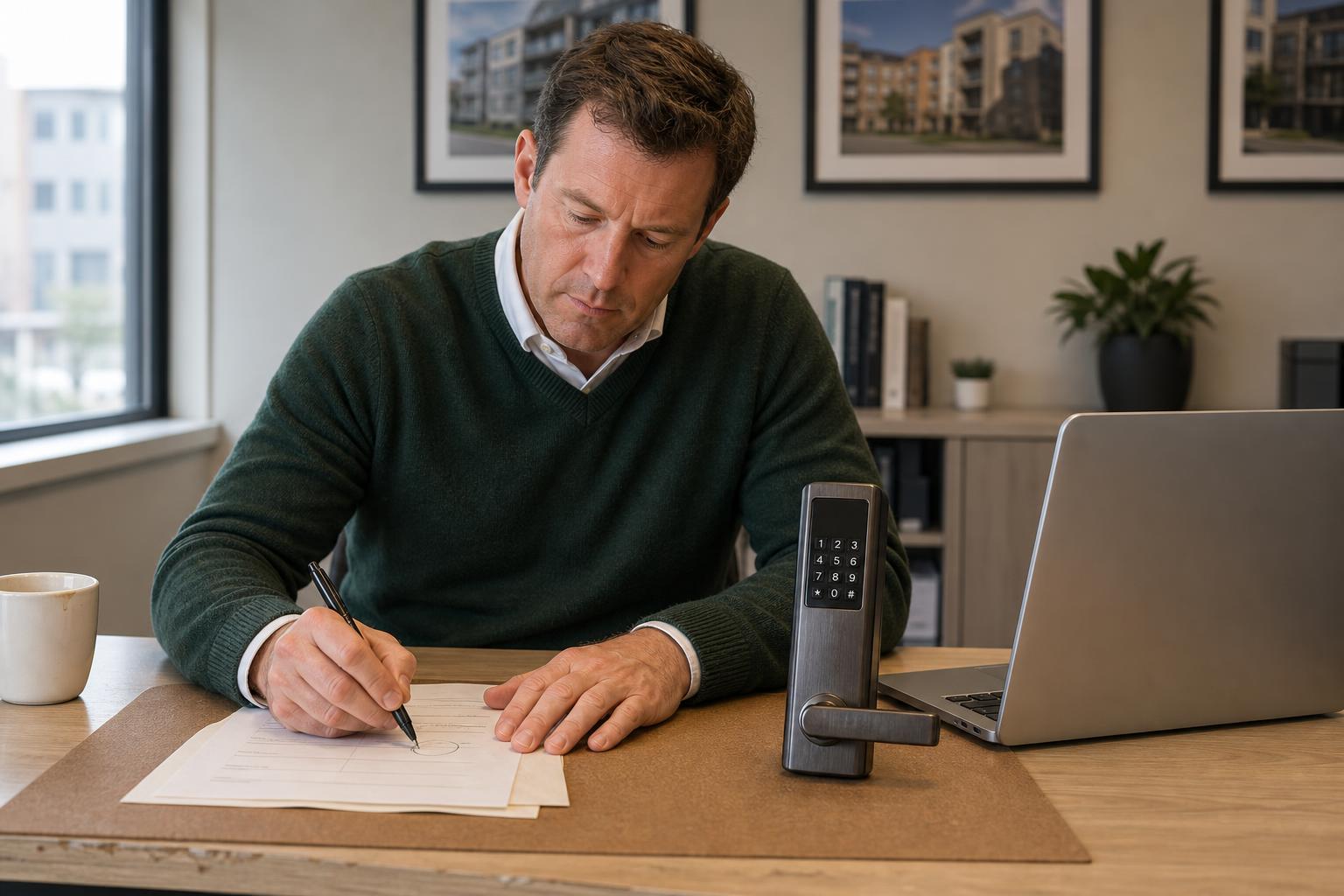
A low upfront cost can be tempting, but the total cost of ownership (TCO) tells the real story. Let's look beyond the initial invoice to see how these models stack up financially over the long haul.
Calculating the Lifetime Cost of LaaS Subscriptions
LaaS costs accumulate steadily over time. Consider a 100-unit apartment building. Using a mid-range LaaS price of $7 per unit per month, your recurring cost is $700 per month or $8,400 per year. Over five years, that's $42,000. In ten years, you'll have spent $84,000 on subscription fees alone.
These figures don't even include potential hidden costs. As one property manager on Reddit described their experience, there can be high expenses for supporting infrastructure like building-wide Wi-Fi, which adds another layer to your operational budget.
Analyzing the Upfront and Hidden Savings of Ownership
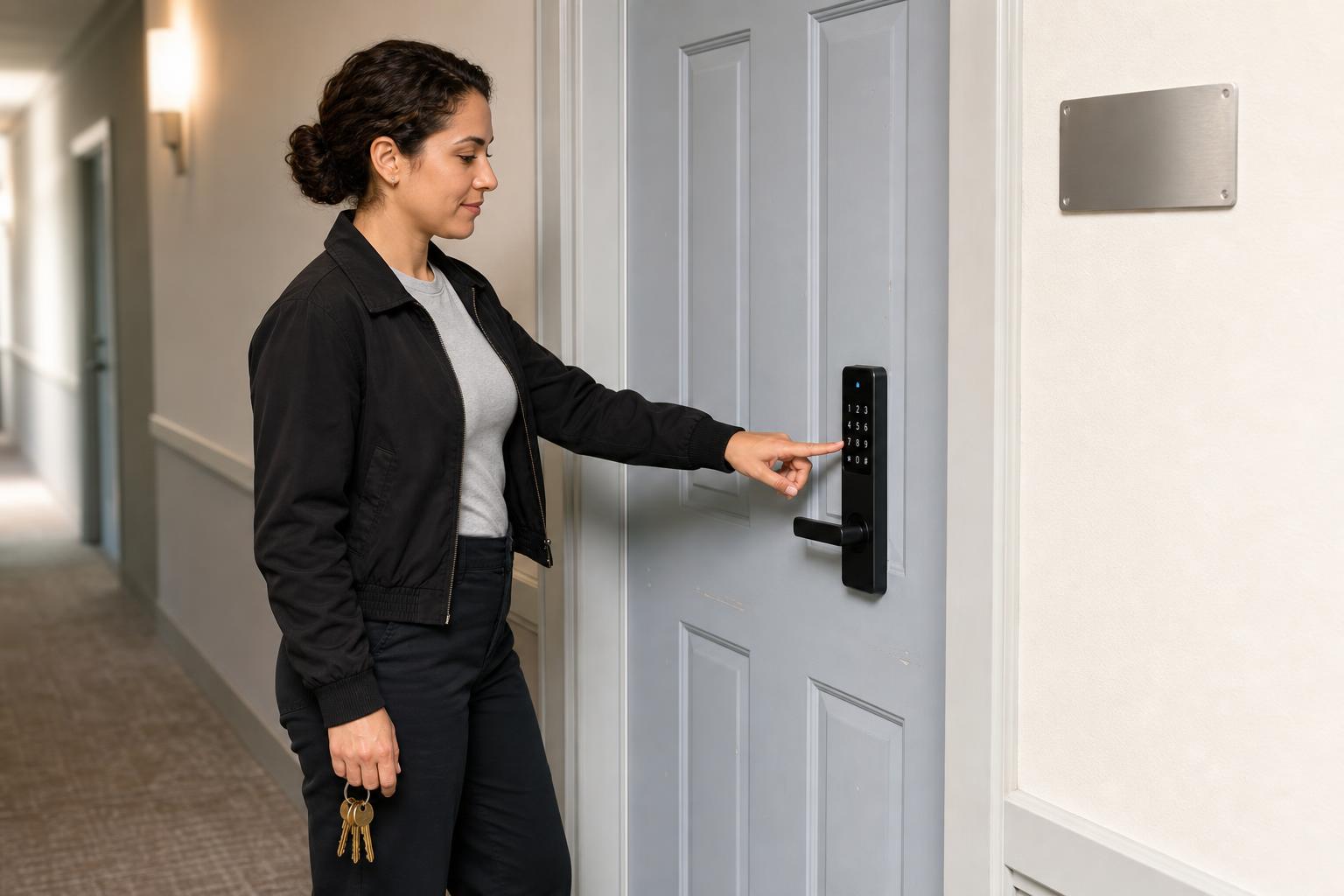
With ownership, your primary cost is the initial hardware purchase. While this requires a larger capital investment, the savings begin immediately after. There are no mandatory monthly fees eating into your net operating income, month after month.
The hidden savings are significant. You completely eliminate the need for a locksmith to rekey locks between tenants, a service that can cost up to $150 per door. Over the life of a lock, these operational savings can substantially offset the initial purchase price, making ownership a financially sound long-term strategy.
Decision Matrix: Comparing LaaS and Ownership Side-by-Side
To make the decision clearer, here's a direct comparison of the two models across key factors that matter most to property managers. This table helps you visualize the trade-offs at a glance.
| Feature | Lock-as-a-Service (LaaS) | Ownership Model |
|---|---|---|
| Upfront Cost | Low to medium (hardware often leased) | High (hardware purchase) |
| Recurring Cost | High (monthly subscription per unit) | None (or minimal for optional software) |
| Total Cost (5-Yr) | Predictably high and cumulative | Capped at initial investment + maintenance |
| Maintenance | Handled by provider (part of service) | Property manager's responsibility |
| Vendor Lock-In | High (tied to a single ecosystem) | Low (freedom to mix and match hardware/software) |
| Tenant Privacy | Potential concern (centralized data tracking) | Higher (data managed locally or by property) |
| System Reliability | Dependent on provider's cloud/app uptime | Dependent on local hardware & network |
| Flexibility | Limited to provider's feature roadmap | High (can integrate with various PMS/systems) |
Voices from the Field: What Property Managers and Residents Really Think
Numbers and features on paper are one thing; real-world performance is another. Feedback from managers and residents reveals the practical pros and cons of these systems.
The Property Manager's Verdict: Streamlined Operations vs. Costly Disasters
Many property managers are initially drawn to LaaS for its operational simplicity. The promise of outsourcing lock management and eliminating rekeying is powerful. However, the reality can be complicated.
Some managers have found themselves trapped. One Reddit user bluntly called their building's SmartRent system a "fucking disaster," citing the high operational expenses and being locked into expensive hardware. When the provider's cloud or app goes down, it can cripple building access and create chaos for staff.
The Resident's Perspective: Is "Smart" Convenience Worth the Trade-offs?
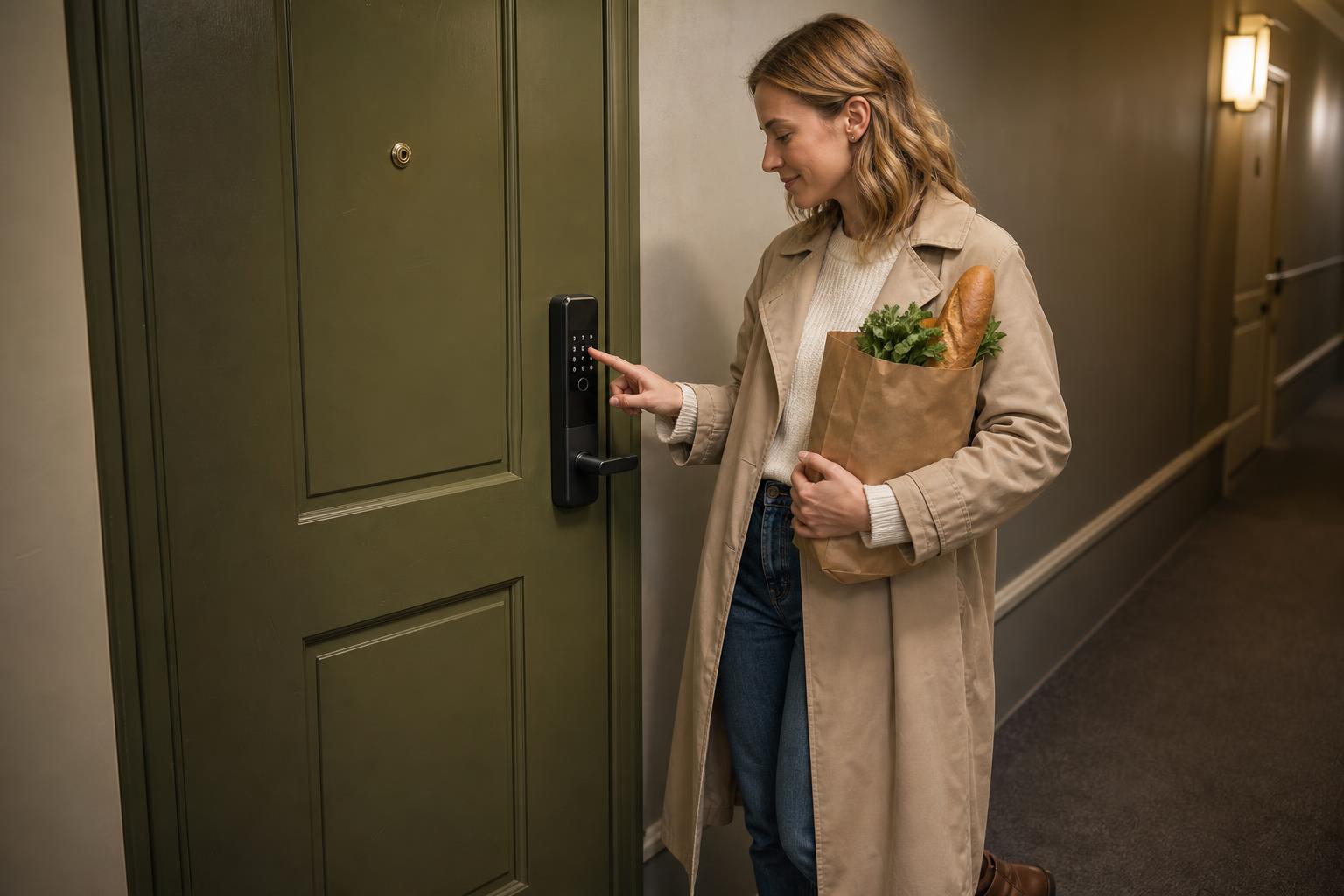
Residents appreciate the convenience of unlocking a door with their cell phone when their hands are full. But for many, the novelty wears off quickly when faced with reliability and privacy issues. A common frustration is the mandatory adoption of these systems without an opt-out.
On forums, tenants frequently complain about unreliable apps that show incorrect lock statuses or go down for maintenance. The biggest concern, however, is privacy. When a property manager's email highlighted tracking resident entries and exits as a "benefit," tenants understandably called it "dystopian." This raises the critical need for a secure and reliable smart lock that prioritizes user privacy.
Making the Right Choice for Your Property's Future
Choosing an access control system is a long-term commitment. It's not just about today's budget, but about future-proofing your property and maintaining strategic control over your operations.
When Does LaaS Make Sense?
LaaS can be a good fit for specific scenarios. It's best suited for new, large-scale luxury developments where the all-in-one service can be marketed as a premium amenity. If your business model prioritizes outsourcing all maintenance and IT, and your budget can comfortably absorb a significant, perpetual operating expense, LaaS offers undeniable convenience.
Why Ownership Offers Long-Term Strategic Value
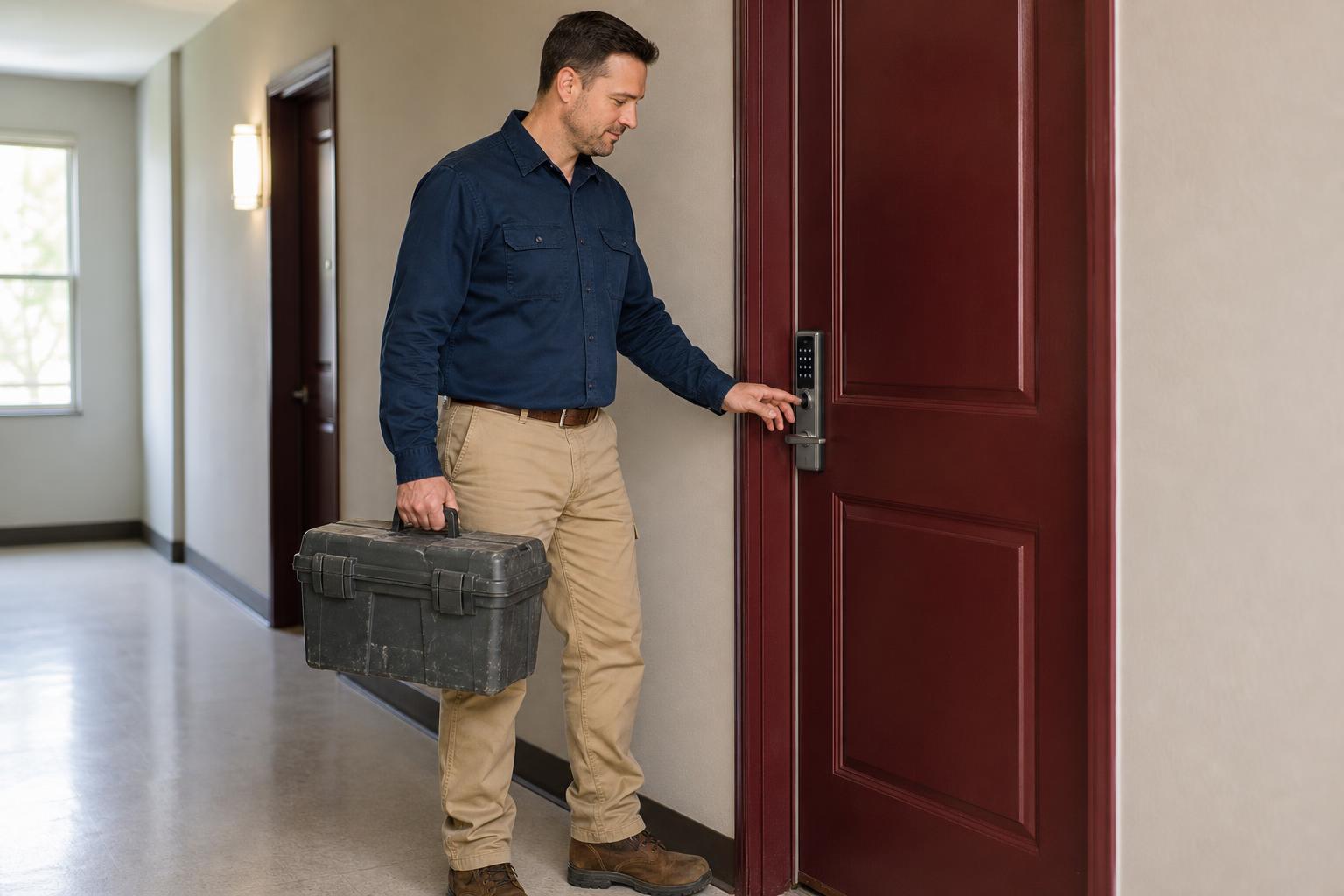
For most properties, the ownership model provides superior long-term value. It puts you in the driver's seat by capping costs after the initial purchase. You are never held hostage by a provider's price hikes, service changes, or potential business failure.
Most importantly, ownership gives you control over resident data and the flexibility to build your own tech stack. With a standalone product like the SAWHERO A1 Smart Lock, you get advanced features like remote access and temporary codes without being tied to a monthly subscription. You can choose best-in-class hardware and integrate it with the property management software that works for you, rather than being confined to a single, closed ecosystem.
Frequently Asked Questions about Apartment Smart Lock Models
What are the main differences between LaaS and owning smart locks?
The main difference is the payment and service model. LaaS is a subscription where you pay a recurring monthly fee for hardware, software, and support. Ownership is a one-time purchase of the hardware, giving you full control without ongoing fees.
How much does Lock-as-a-Service typically cost for apartments?
Costs vary, but sources show pricing from major providers like Latch can range from $3 to $12.50 per unit, per month. This can quickly add up to tens of thousands of dollars per year for a mid-sized building.
What happens if a LaaS provider's service or app goes down?
This is a major risk of LaaS. If the provider's cloud service or mobile app has an outage, it can prevent residents and staff from accessing units and common areas. This creates a significant operational and security liability that is outside of your control.
Can apartment residents opt-out of mandatory smart lock systems like SmartRent?
Generally, no. As seen in multiple online discussions, these systems are often implemented building-wide as part of the lease, and residents are typically not given an option to opt-out, raising concerns about privacy and autonomy.
Are owned smart locks difficult to manage across a large property portfolio?
While early smart locks required more hands-on work, modern owned systems are designed for portfolio management. They can often be integrated with property management software, allowing for centralized control without the mandatory subscription fees of a LaaS platform.
What are the biggest privacy concerns residents have with LaaS systems?
The primary concern is the tracking of their movements. Residents worry about property management having a detailed log of when they enter and leave their homes. Other issues include data security and what happens to their access data if the LaaS company is sold.
In the debate between Lock-as-a-Service (LaaS) vs. Ownership, there's no single right answer—only the right fit for your business strategy. LaaS offers a hands-off, all-in-one package at a continuous cost, while Ownership provides long-term financial freedom and complete operational control.
By carefully weighing the total cost of ownership, resident experience, and your desire for strategic flexibility, you can make a decision that secures your property for the future. Ready to take the next step? It's time to explore smart lock solutions that put you in control.