What to Do When Your Smart Lock Battery Dies: A Guide to Emergency USB Power
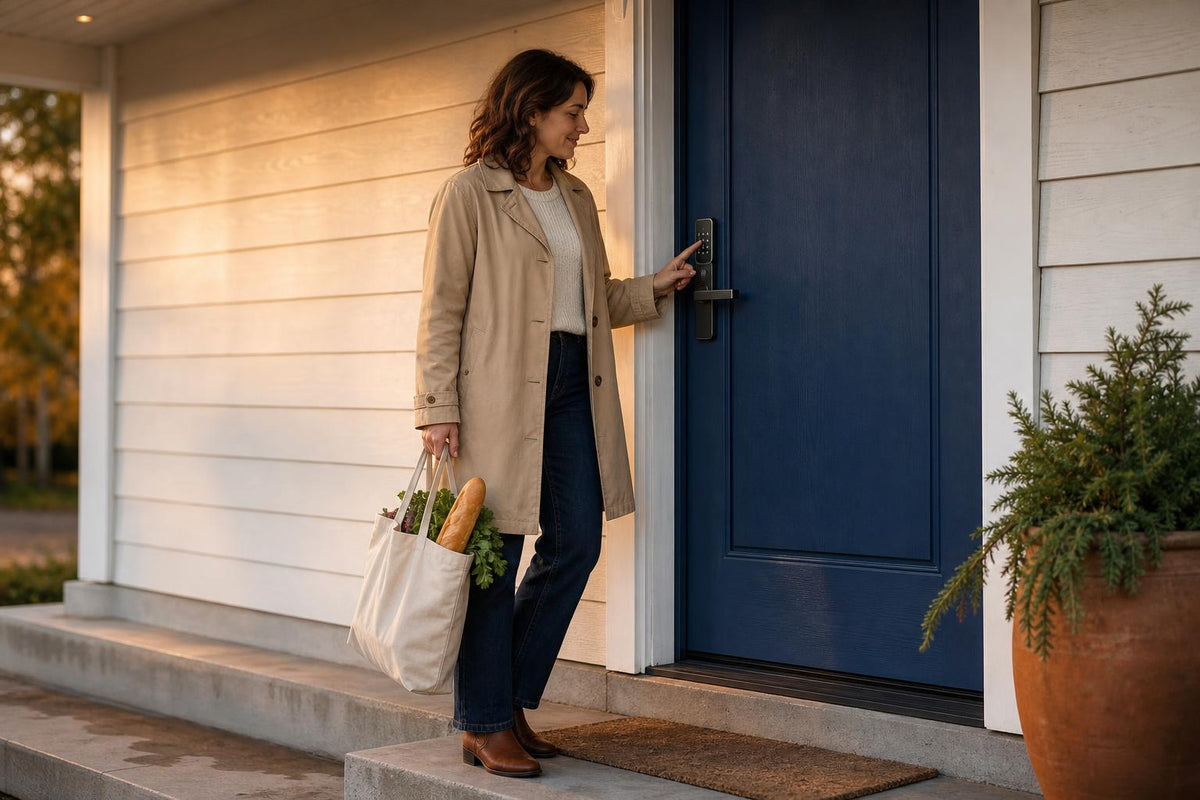
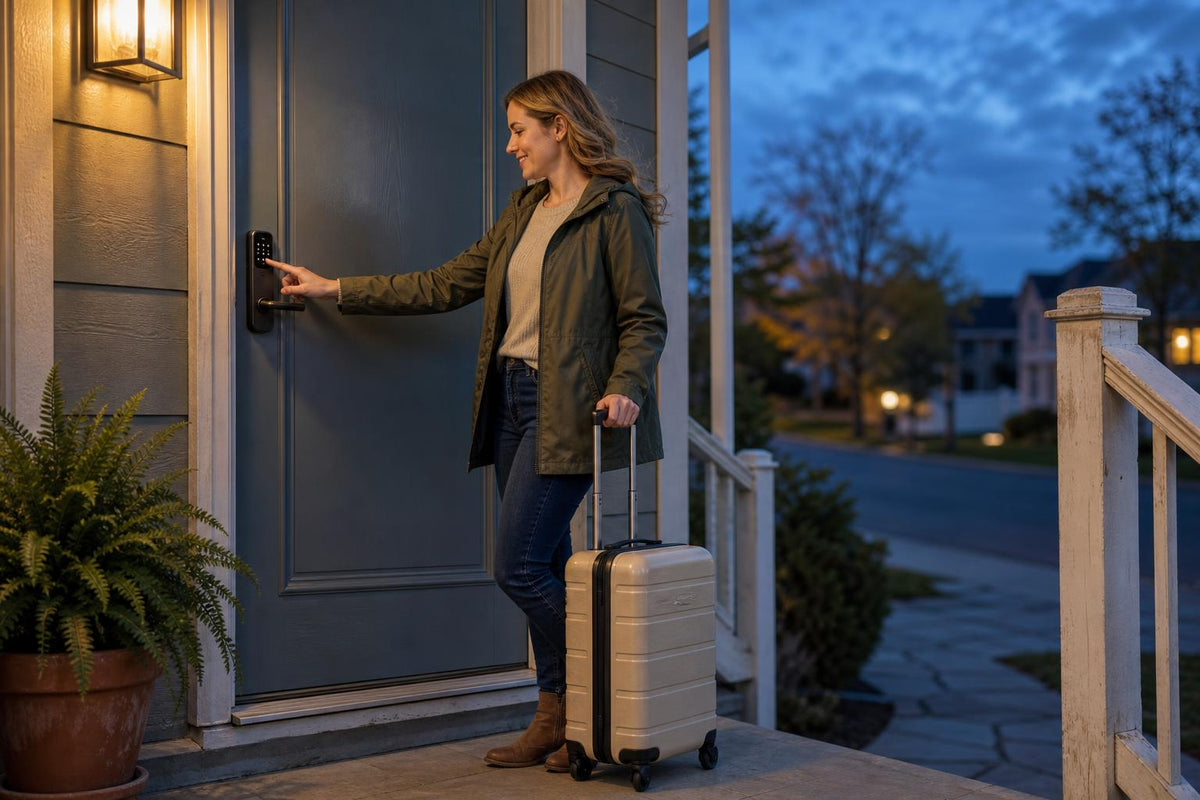
It's a scenario every smart lock owner dreads: you get home late, tired after a long day, and your smart lock won’t open. The keypad is dark, the app is unresponsive, and you realize the battery is completely dead. It’s a common fear, but it doesn't have to be a disaster.
Most modern locks have a built-in failsafe for this exact scenario: a smart lock with emergency USB power. This feature, a growing trend in modern smart locks, is your key to getting back inside without stress. In this guide, we'll walk through exactly how it works, what to do, and how to prevent it from happening again.
The Lifesaver on Your Door: How Does Emergency USB Power Actually Work?
That little port on the bottom of your smart lock is a game-changer when you're in a bind. It’s not for charging; it's designed to give the lock a temporary jolt of electricity, just enough to "wake it up" so you can enter your code or use your fingerprint.
Powering Up in a Pinch: The Simple Steps to Regain Access
Getting back inside is surprisingly simple and takes less than a minute. As numerous YouTube tutorials demonstrate, the process is straightforward for most models.
- Grab a power source: Any standard portable power bank will do the trick.
- Find the port: Locate the emergency power port on the exterior of your lock. It's usually a USB-C or Micro-USB port tucked underneath the keypad or handle.
- Connect and wait: Plug your cable into the power bank and then into the lock. You should see the lock's keypad light up or hear a beep, indicating it has power.
- Unlock as usual: With the lock awake, immediately enter your PIN code, use your fingerprint, or use the app to unlock the door.
Is It Charging the Battery? Understanding the 'Emergency Only' Design
A common question is whether this port charges the batteries. The short answer is no. As discussed by users on Reddit, its design is intentional. The port is placed on the outside specifically for emergency access when you're locked out.
Think of it as a temporary bypass, not a charging station. Once you're inside, you should replace the internal batteries right away to restore normal function. This design ensures that even with a completely dead smart lock battery, you have a reliable way in.
Not All Backups Are Equal: Comparing Emergency Power Features in Popular Smart Locks
While most brands offer an emergency power feature, the execution can vary. Details like port type and potential quirks can influence your experience. To help you choose, we’ve compared the emergency power options from several leading brands.
Decision Matrix: Emergency Power Options from Leading Brands
This table breaks down the key differences in how popular smart locks handle a dead battery situation, helping you see which might be the best fit for your needs.
| Feature | SAWHERO | eufy (C220) | Wyze (Lock Bolt) | Aqara (U100) | Schlage (Older Models) |
|---|---|---|---|---|---|
| Port Type | Universal USB-C | USB-C | USB-C | USB-C | 9V Battery Contacts |
| Power Source | Standard Power Bank | Standard Power Bank | Standard Power Bank | Standard Power Bank | 9V Battery |
| Potential Quirk | Supports C-to-C cables | Reliable & simple | Plug into phone first (some models) | May need a USB-A to C cable | Must align terminals correctly |
| Other Backups | Physical Key | Physical Key | Physical Key | Physical Key, Passcode | Physical Key |
| Best For | Self-installers, renters | General home use | Budget-conscious users | Apple HomeKit users | Traditional lock users |
Beyond Emergencies: Proactive Steps to Avoid a Dead Smart Lock Battery
The best way to deal with a dead battery is to prevent it from happening in the first place. Modern smart locks are designed with plenty of safeguards to give you a heads-up long before the power runs out. It's all about building good habits.
Heed the Warnings: Understanding Low Battery Alerts
Your smart lock will tell you when its batteries are running low. These warnings typically come in several forms: a notification pushed to your smartphone app, a flashing LED light on the lock itself, or an audible beeping sound when you operate it.
Some brands, like eufy, give you plenty of notice, with low-battery warnings that can last for several weeks. This gives you more than enough time to pick up new batteries and swap them out before it becomes an urgent issue.
Smart Habits for Smart Lock Owners
A few simple routines can all but eliminate the risk of getting locked out. Treat your smart lock like any other important device in your home that needs occasional maintenance.
- Set a calendar reminder: Schedule a recurring event every six months to a year to check and replace your lock's batteries. Smart lock battery life typically ranges from 6-12 months, according to user reports.
- Stash spare batteries nearby: Keep a fresh set of the required batteries in a drawer near your entryway so they're easy to find.
- Create an "emergency kit": Just as you might hide a spare physical key, consider keeping a small, charged power bank and the right USB cable in your car's glove box.
- Check the app regularly: When you use the app, take a quick glance at the battery status indicator to stay informed.
Choosing a lock that uses common battery types, like the ones from SAWHERO, also helps reduce long-term cost and hassle. For more maintenance tips, you can always visit our Help Center.
When the Backup Plan Fails: Troubleshooting Your Emergency USB Power Connection
Let's be real: what happens if even the backup plan doesn't work? It's rare, but connection issues can happen. Knowing the common failure points can help you solve the problem on the spot instead of panicking.
Common Failure Points and How to Fix Them
If you've connected your power bank and nothing is happening, don't assume the lock is broken. Run through this quick checklist first, as the solution is often simple.
- Wrong Cable Type: Some USB cables are designed for charging only and don't transmit data or power correctly for this purpose. Try a different, high-quality cable.
- Connection Protocol Issues: Certain locks can be picky. For example, some Aqara users on Reddit have noted their locks only power up with a USB-A to USB-C cable, not a C-to-C one.
- No Juice in the Bank: It sounds obvious, but make sure your portable power bank is actually charged.
- Incorrect Connection Order: Some Wyze users have found they need to plug the cable into their phone or power bank *before* connecting it to the lock. The sequence can sometimes matter.
Your Ultimate Failsafe: The Role of the Physical Key
Even with multiple electronic safeguards, nothing beats the reliability of a traditional physical key. It's the ultimate failsafe. Nearly every smart lock, including the entire SAWHERO lineup, includes a hidden keyhole for this very reason.
We strongly recommend giving a spare physical key to a trusted neighbor or family member, or keeping one securely at your workplace. This ensures that in the absolute worst-case scenario—where the batteries are dead and the emergency power feature isn't working—you still have a guaranteed way to get inside. It's all part of a complete home security and access strategy, a principle we build into all our products at SAWHERO.
Frequently Asked Questions About Smart Lock Emergency Power
Still have questions? We’ve gathered answers to some of the most common queries about smart lock batteries and emergency power features to give you complete confidence.
How long does a smart lock battery typically last?
Generally, smart lock batteries last between 6 to 12 months. This depends heavily on usage frequency, weather conditions, and whether features like Wi-Fi are enabled. Many users on Reddit report getting about a year of life from a set of quality batteries.
Are the emergency USB power ports on smart locks reliable?
Yes, this is a mature and standardized feature. Leading tech publications like CNET and PCMag consistently list emergency power as a crucial, must-have feature, highlighting it as a reliable safeguard against getting locked out.
Can I use my phone to power the smart lock in an emergency?
In many cases, yes. If your smartphone supports reverse charging (often called OTG or "Power Share") and you have the correct cable, you can use it as a temporary power source. However, a dedicated power bank is often the more dependable option.
Will a power outage in my house affect my smart lock?
No. Smart locks are powered by their own internal batteries and are not connected to your home's electrical grid. A power outage will not affect the lock's ability to function.
What type of USB cable do I need for my smart lock's emergency power?
It depends on the model. Most newer smart locks, like those from eufy and Wyze, use USB-C. Some older models might use Micro-USB. Always check your lock's specifications and consider keeping a multi-tip cable in your car for full compatibility.
What if my smart lock model uses a 9V battery for backup?
Some brands, particularly older Schlage models, use a 9-volt battery for emergency power instead of a USB port. For these, you simply touch the battery's positive and negative terminals to the corresponding contact points on the bottom of the lock to provide a temporary charge, a process we detail in our guide on using a 9V battery to open smart locks.
Peace of Mind in Your Pocket
A dead smart lock battery can feel like a crisis, but it doesn't have to be. The smart lock with emergency USB power feature is a simple, effective, and reliable solution built for that exact moment. By understanding how to use it and adopting a few proactive habits, you can enjoy all the convenience of keyless entry without the anxiety.
Choosing a thoughtfully designed smart lock that prioritizes user-friendly backups provides an essential layer of security and peace of mind. Explore the SAWHERO A1 Smart Lock to find a model that keeps you secure and ensures you'll never be left out in the cold.