The Solo Dweller’s Guide to Digital Autonomy: Why 200-User Capacity and Audit Trails Define Modern Home Security
Living alone offers a world of freedom, but it often comes with those "did I just hear something?" moments. Whether you are in your first apartment or settled into a long-term home, domestic peace of mind is no longer just about a physical barrier; it is about absolute control over your space.
In 2026, home security has shifted from mechanical gatekeeping to sophisticated App Management and data-driven accountability. For the solo dweller, a smart lock is less of a gadget and more of a digital security officer.
Redefining Solo Living Smart Security: Why "200 Users Capacity" is a Necessity, Not a Luxury
At first glance, a 200 Users Capacity seems overkill for someone living alone. However, in the realm of high-end biometrics, capacity equals precision.
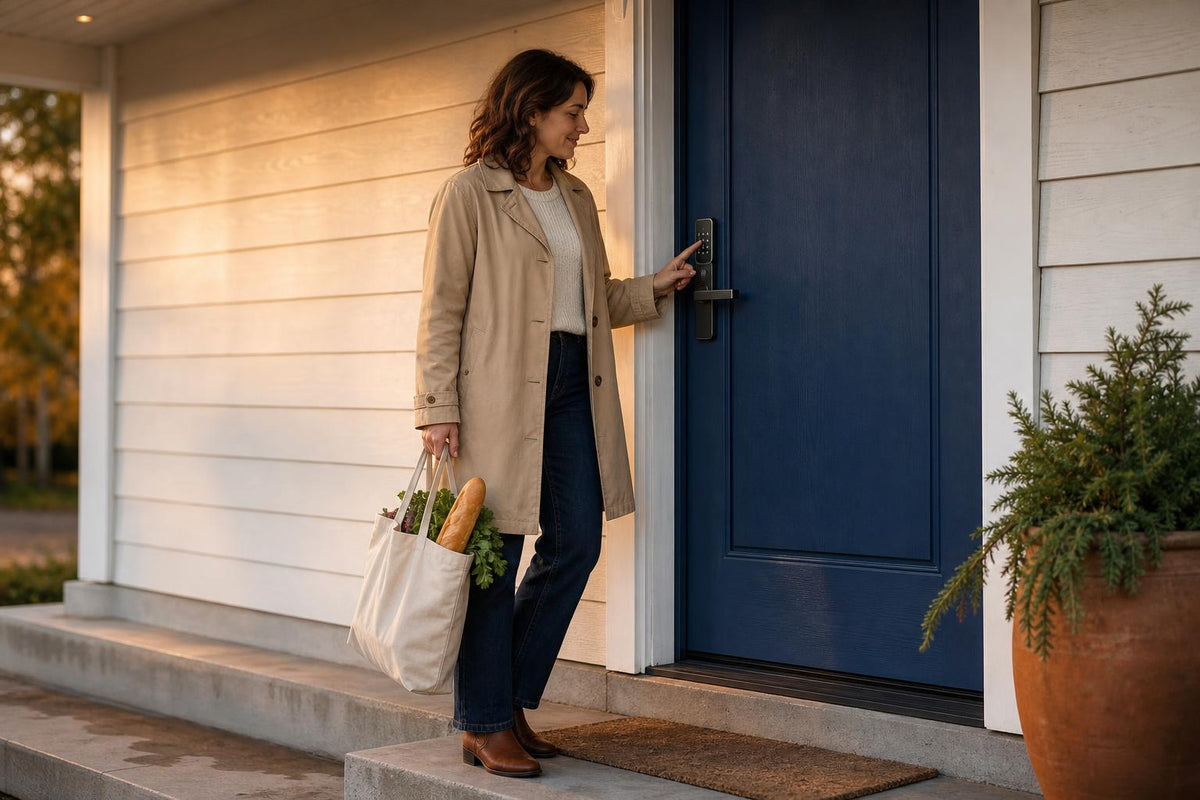
To achieve a near-instant 0.3 to 0.5-second unlock speed, advanced systems like SAWHERO leverage this capacity to store multiple "high-resolution" samples of the same finger. By recording 10 to 20 angles of your primary thumbprint, the lock builds a robust biometric profile that recognizes you even if your hands are wet, cold, or full of groceries.
Furthermore, this capacity supports a "Digital Credit System." Instead of rotating a few shared codes, you can assign unique, permanent IDs to every recurring service—your dog walker, your parents, and your preferred maintenance tech—ensuring that your Audit Trail remains granular and accurate for months.

Solo Living Smart Security and App Management: Remote Authority at Your Fingertips
The true power of modern security lies in App Management. For solo residents, the ability to manage access without being physically present is a game-changer for personal safety.
How to Remotely Manage Departing Guests or Tenants
If you host guests or manage a small-scale rental, the "handing over of keys" is a relic of the past. When a service ends or a tenant moves out, you can perform a remote fingerprint deletion via the app.
The technical process is secured by AES-256 encryption. Within the app, you navigate to "Access Management," select the specific user profile, and revoke their biometric or PIN credentials instantly. This eliminates the need for expensive rekeying and ensures that "lost" physical keys never compromise your security.
The Audit Trail: Creating Traceable Accountability for Solo Living Smart Security
Living alone can be unsettling if you don't know who has entered your space while you were out. An Audit Trail provides a timestamped, tamper-evident log of every event.
Unlike a simple access log, a true audit trail tells a complete story:
-
Who: The specific ID used (e.g., "Housekeeper" vs. "Unknown PIN").
-
When: The exact second of entry and exit.
-
How: The method used (Fingerprint, One-time Code, or physical key).
This visibility "really puts your mind at ease". If a maintenance person claims they were only in your home for five minutes, but your log shows an hour, you have the data to back up your concerns.

Temporal Access for Solo Living Smart Security: The Role of One-time Codes and Temporary Passwords
For solo dwellers, the "hidden key under the mat" is a major vulnerability. In 2026, we use "Least Privilege" access:
-
One-time Code: Perfect for one-off deliveries or a friend dropping by to grab a package. Once the code is used, it expires immediately.
-
Temporary Password: Ideal for scheduled services. You can set a "Time Window" (e.g., Tuesday from 2:00 PM to 4:00 PM). Outside of this window, the code is useless.
This precise scheduling ensures that your home is only accessible when it needs to be, keeping your private space truly private.
Reliability Beyond the Cloud: The "Offline-First" Architecture of Solo Living Smart Security
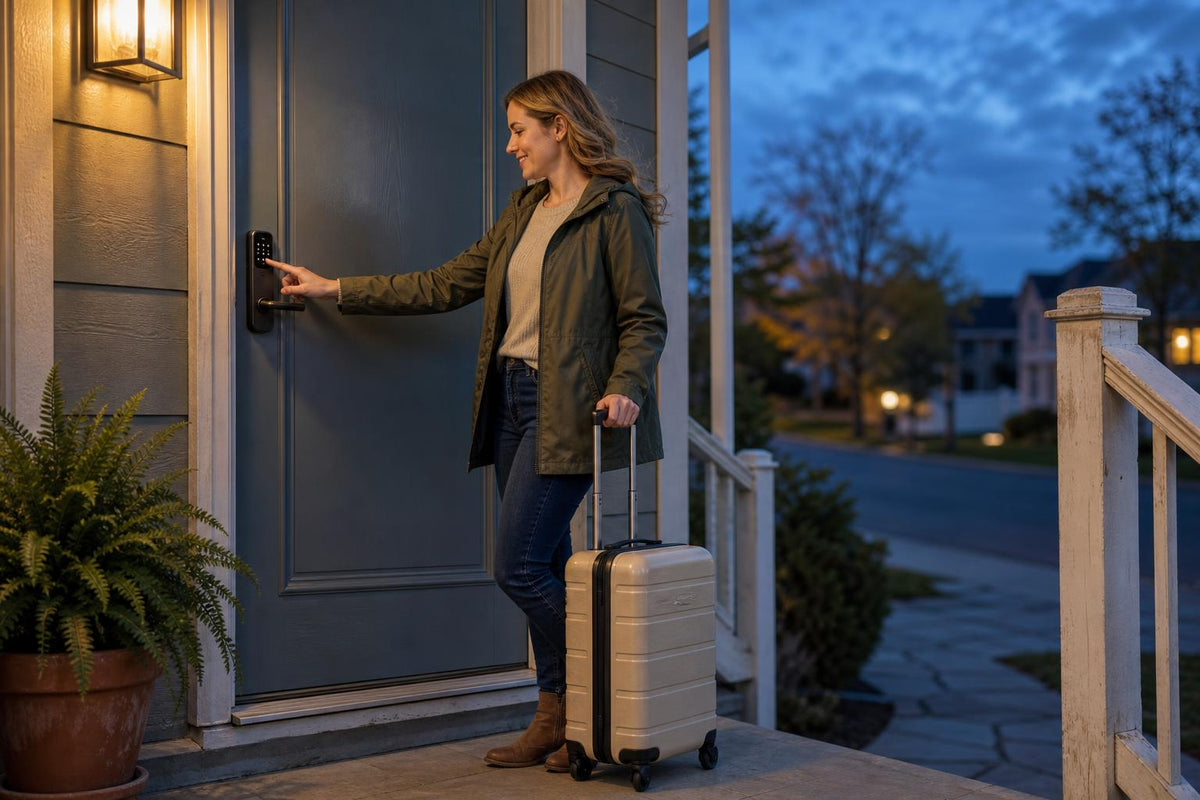
A common fear for solo dwellers is being locked out due to a Wi-Fi outage or a dead phone. This is where the engineering of an offline-capable lock stands out.
While modern locks feature Built-in Wi-Fi for seamless remote management, the core logic should remain "Local-First".
-
Local Storage: Your fingerprints and PINs are stored on an internal encrypted chip. This means if your internet goes down, your fingerprints still work in 0.5 seconds.
-
Physical Redundancy: Some premium models include up to 5 mechanical backup keys—significantly more than the industry standard—offering an absolute fail-safe for those who live alone.
-
Emergency Power: If the batteries die, a simple Type-C power bank can jump-start the lock via an external port.

Conclusion: Designing Your Autonomy
Solo living should feel like a sanctuary, not a fortress. By integrating features like a 200 Users Capacity for identification precision and a deep Audit Trail for accountability, you transform your front door into a smart security node.