Why Look for a Yale Smart Lock Alternative?
Yale has certainly earned its reputation in home security. Still, you're likely here because you suspect there's a lock better suited to your specific needs. Perhaps you're looking for a model with a higher security certification, a design that won't upset your landlord, or simply better battery performance.
You're not alone. Many homeowners and renters find themselves searching for a Yale smart lock alternative to get features that aren't Yale's primary focus. This guide walks you through the top contenders and key technologies to help you choose with confidence.
Key Reasons to Consider Other Smart Lock Brands
The search for alternatives isn't about finding flaws in Yale; it's about finding the perfect fit for your home. Homeowners often start looking for competitors when they encounter one of these key decision points.
Seeking Higher Security Standards (ANSI/BHMA Grade 1)
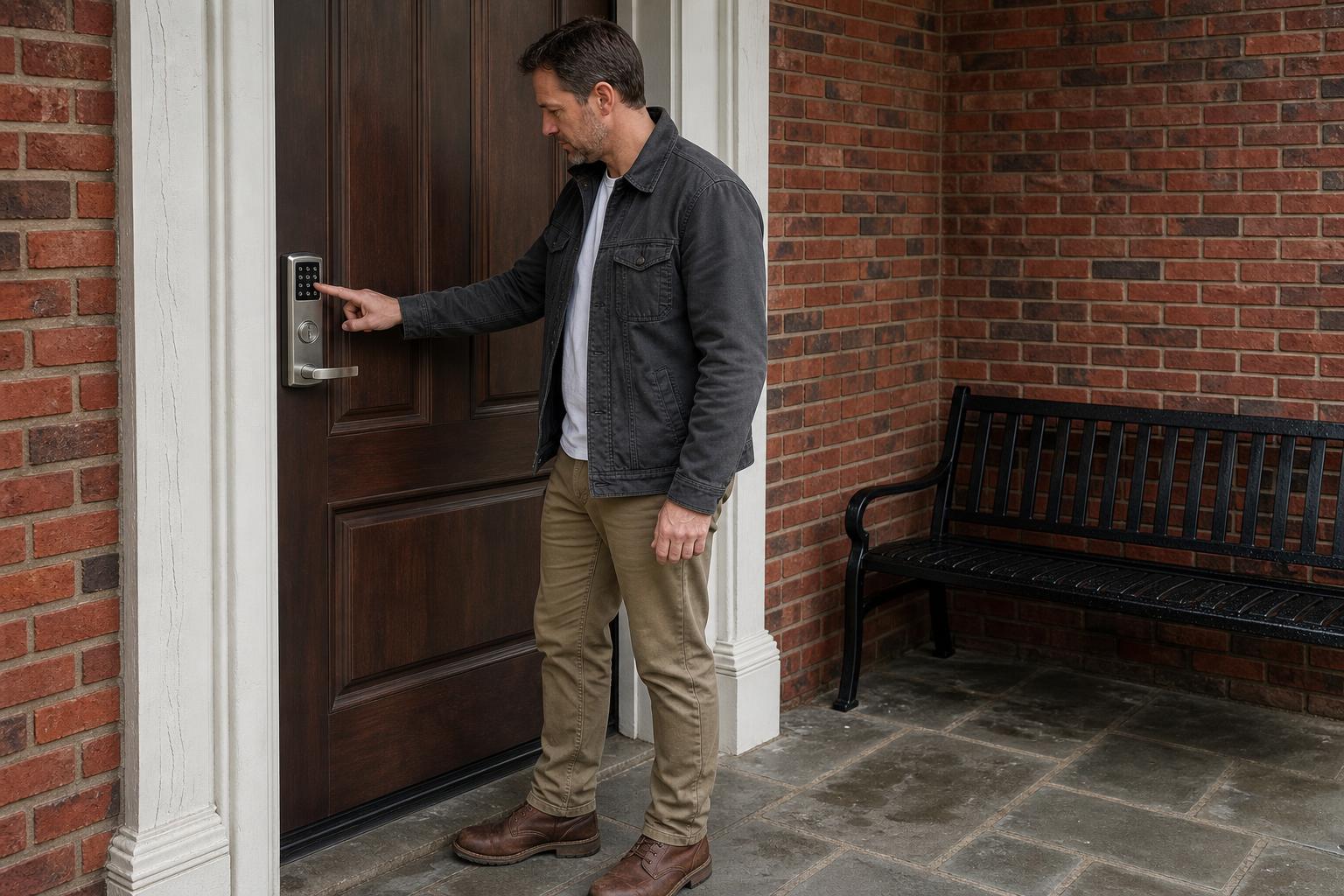
Security is more than a smart feature—it's about the physical strength of the lock itself. The ANSI/BHMA (American National Standards Institute/Builders Hardware Manufacturers Association) grades locks on durability and resistance to attack. While many Yale models carry a respectable Grade 2 certification, competitors like Schlage often boast an ANSI Grade 1 rating, the highest for residential security.
A Grade 1 lock is built to withstand significantly more force and tampering, offering a higher level of physical protection. For those prioritizing peace of mind, this certification is a critical differentiator. Understanding the details of a Grade 1 smart lock can clarify this choice.
Needing a Renter-Friendly or True DIY Installation
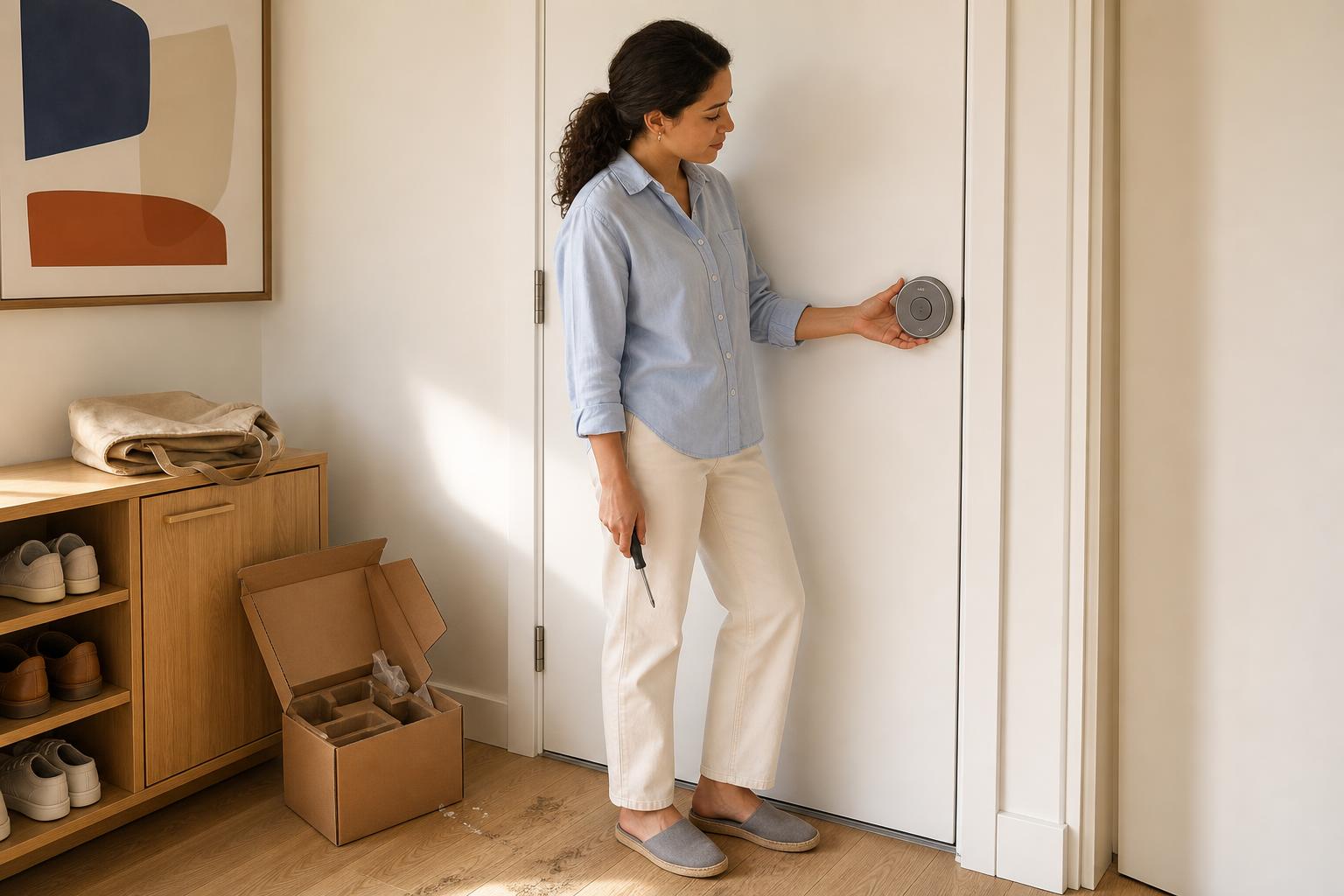
Not everyone can—or wants to—replace their entire deadbolt. For renters, altering existing hardware is often a deal-breaker. This is where "retrofit" models shine. Brands like August built their reputation on locks that install on the inside of your door, leaving the exterior hardware untouched.
This approach lets you keep your original keys and makes installation a quick, reversible process. It’s an ideal solution for apartment dwellers or anyone hesitant to perform a full lock replacement.
Prioritizing Specific Smart Features or Battery Life
Your smart home ecosystem often dictates your choices. If you're an Apple user, a lock with Apple Home Key support, like the Schlage Encode Plus, might be a top priority. Others might be more concerned with practical aspects like battery life, a frequent topic of discussion on Reddit forums regarding built-in Wi-Fi locks.
The Best Yale Smart Lock Alternatives Compared
To simplify your decision, we've broken down the top Yale competitors. Each brand excels in a different area, from raw security to minimalist design. This direct comparison will help you quickly identify the best match.
Decision Matrix: Yale Alternatives at a Glance
| Feature | Schlage Encode Plus | August Wi-Fi Smart Lock | Level Lock+ | Ultraloq U-Bolt Pro | Eufy Smart Lock Touch |
|---|---|---|---|---|---|
| Best For | Overall Security & Apple Users | Renters & Easy Install | Minimalist Aesthetics | Feature Versatility | Biometric Access & Value |
| ANSI/BHMA Grade | Grade 1 | N/A (Retrofit) | Grade 2/AAA | Grade 1 | Grade 2 |
| Key Feature | Apple Home Key | DoorSense™ Sensor | Invisible Design | 8-in-1 Access (Fingerprint) | Fast Fingerprint Reader |
| Installation | Full Replacement | Retrofit (Interior Only) | Invisible (Internal) | Full Replacement | Full Replacement |
| Connectivity | Built-in Wi-Fi | Built-in Wi-Fi | Bluetooth, Thread | Wi-Fi (Bridge Req.) | Bluetooth |
| Battery Life | Good | Fair (Common Complaint) | Good | Very Good | Excellent |
Key Takeaways for Each Competitor
- Schlage: If top-tier physical security is non-negotiable, Schlage is your go-to. Its Grade 1 rating and reliable performance make it a favorite among security-conscious homeowners.
- August: For renters, there's no better option. The ability to upgrade your lock without changing keys is a massive advantage, though be prepared for more frequent battery changes.
- Level: If you hate the look of bulky smart locks, Level's invisible design is a game-changer. It delivers smart functionality without compromising your home's aesthetic.
- Ultraloq & Eufy: These brands are for users who want maximum convenience. With features like fast fingerprint access, they make fumbling for keys or a phone a thing of the past.
Beyond Brands: Key Tech to Understand in Your Next Smart Lock
Choosing the right smart lock involves more than picking a brand. Understanding the technology that powers these devices will help you make an informed decision and avoid common pitfalls like poor battery life or spotty connectivity.
Connectivity Deep Dive: Wi-Fi vs. Z-Wave vs. Matter
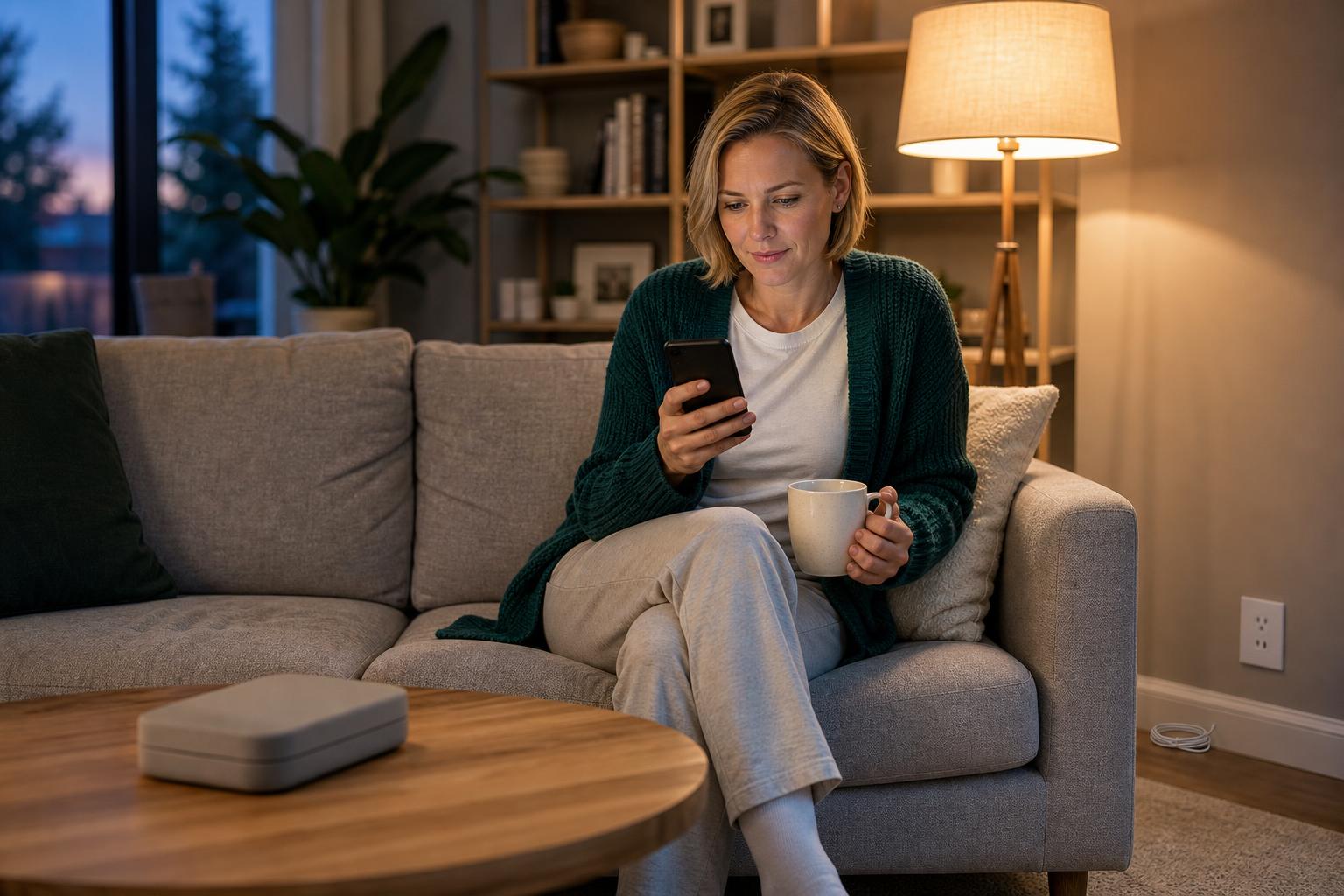
A built-in Wi-Fi lock offers convenient remote access without a separate hub. However, this convenience often comes at the cost of battery life. Z-Wave, an alternative protocol, creates a low-power mesh network known for its reliability and longer battery performance but requires a compatible smart home hub.
The newcomer, Matter, is a universal standard designed to unify the smart home. A Matter-enabled lock promises seamless integration with any Matter-compatible device, regardless of the brand, making it a future-proof choice.
Why ANSI/BHMA Security Grades Matter
We mentioned it before, but it's worth repeating: a smart lock is a security device first. The ANSI/BHMA grading system is your best indicator of a lock's physical robustness. A Grade 1 lock has undergone extensive testing, including withstanding sledgehammer strikes and a higher number of lock/unlock cycles than a Grade 2 lock.
When you choose a lock with a Grade 1 rating, you're not just buying a number. You're investing in a product certified to offer the highest level of residential protection against forced entry, a detail confirmed by the Builders Hardware Manufacturers Association.
Real-World Scenarios: Which Yale Alternative Fits Your Lifestyle?
The "best" smart lock is subjective and depends entirely on your daily life. Let's look at a few common scenarios to see how different locks meet different needs.
For the Airbnb Host or Property Manager
Managing access for multiple guests requires flexibility and control. You need to create and delete access codes remotely, often on a tight schedule. A lock like the Ultraloq U-Bolt Pro, with its versatile access methods and capacity for many codes, is ideal for this scenario.
The ability to grant temporary access without ever meeting the guest is essential for a smooth rental operation. Look for models with robust app control and audit trails, so you always know who is coming and going.
For Families with Kids and Elderly Members
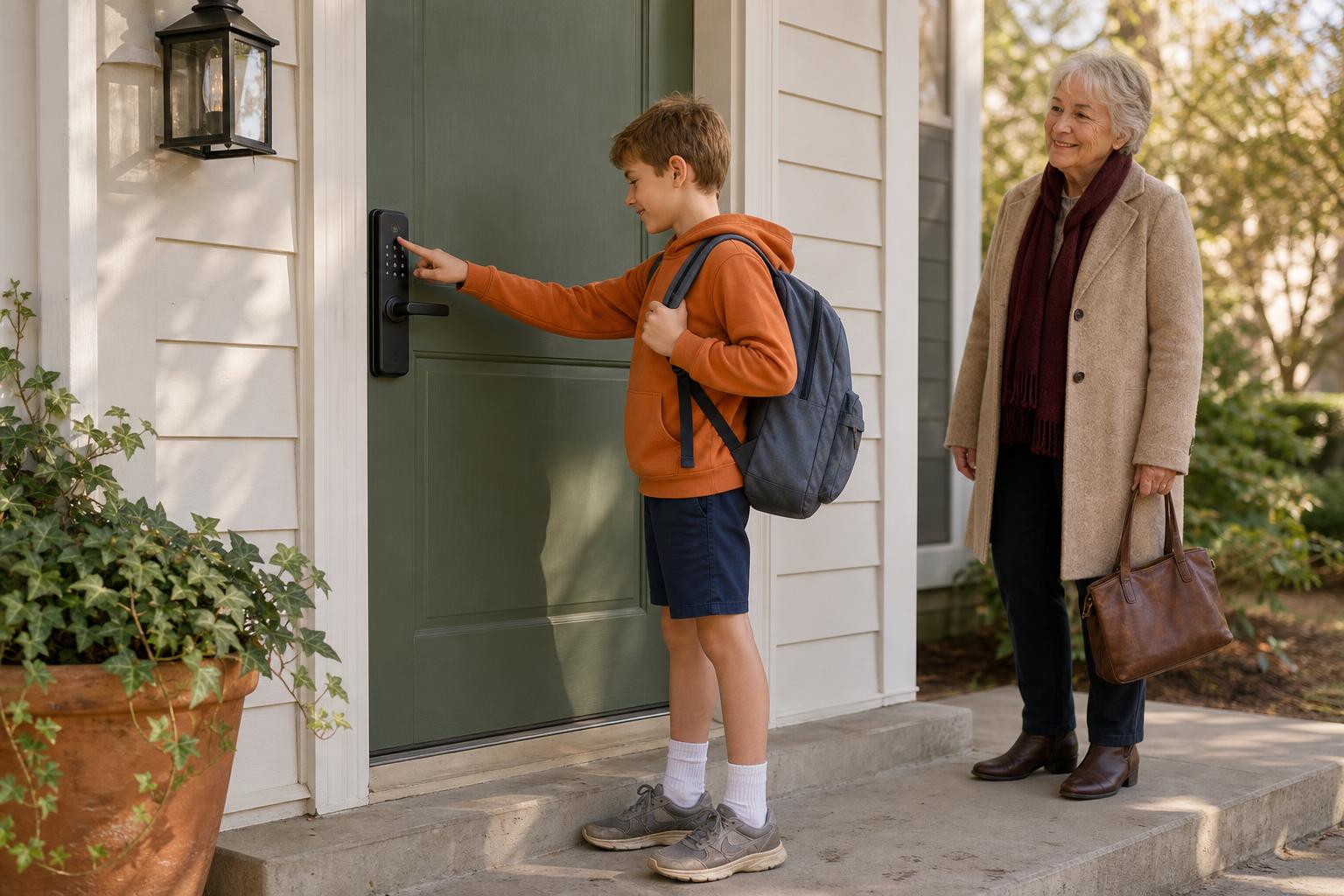
Ease of use is paramount when your lock needs to work for everyone, from a child coming home from school to an elderly parent. Fumbling with apps or forgetting codes can be frustrating. This is where biometric access excels.
The Eufy Smart Lock Touch, praised by outlets like Bob Vila for its features and value, uses a fingerprint scanner for near-instant access. This provides a simple, reliable way for every family member to get inside without a key or a phone.
For the Smart Home Enthusiast
If you've already invested in a smart home ecosystem, your new lock must play well with others. Integration with Apple Home, Google Home, or Amazon Alexa is a must. You'll want a lock that can trigger other automations, like turning on the lights when the door unlocks.
For Apple users, the Schlage Encode Plus with Home Key support is a top contender. For those looking ahead, choosing a lock that supports Matter will ensure it remains compatible with new devices you add to your home.
Answering Your Top Questions
When researching a keyless deadbolt alternative, the same questions tend to pop up. Here are direct answers to some of the most common queries.
What is the most secure alternative to a Yale lock?
For physical security, look for a lock with an ANSI/BHMA Grade 1 certification. Brands like Schlage consistently offer Grade 1 rated locks, which are engineered and tested to withstand more aggressive forced entry attempts than the more common Grade 2 locks.
Is Schlage really better than Yale?
"Better" depends on your priorities. Schlage often leads in physical security (Grade 1) and is frequently praised by users for better battery life. Yale, on the other hand, is known for its sleek aesthetics and modular designs that allow for easy upgrades.
Can I install a smart lock if I'm renting an apartment?
Absolutely. The best choice for renters is a retrofit model like the August Wi-Fi Smart Lock. It installs on the inside of the door over your existing hardware, so you don't have to change the keys or get approval for a major modification.
Which smart lock has the best battery life?
Generally, locks using Bluetooth or Z-Wave are more power-efficient than those with built-in Wi-Fi. If you find your smart lock battery draining fast, the connectivity type is often the cause. Reddit discussions often credit Schlage models with superior battery life compared to Wi-Fi-enabled locks that trade longevity for direct internet access.
Are "invisible" smart locks like Level Lock powerful enough?
Level Lock is highly admired for its discreet design. While it provides excellent convenience and aesthetics, some user reviews and tech sites like CNET have noted its motor can be less robust than the larger mechanisms found in competitors like Schlage.
Do I truly need a lock with built-in Wi-Fi?
It depends on your need for remote access. Built-in Wi-Fi lets you lock or unlock your door from anywhere without a separate hub. The downside is significant battery drain. If you primarily use your lock via Bluetooth when at home, you may not need Wi-Fi and can enjoy much longer battery life.
Making Your Final Choice on a Yale Smart Lock Alternative
Choosing a Yale smart lock alternative doesn't have to be overwhelming. By focusing on your core needs—whether it's the highest level of physical security, renter-friendly installation, or a specific feature like fingerprint access—you can easily narrow down the options.
Once you know your priority, you can use the comparisons in this guide to make a confident decision. As you weigh your options, consider solutions designed for security, convenience, and straightforward self-installation, like the SAWHERO A1 Smart Lock, which features built-in WiFi without needing a separate hub.
To learn more, explore our full range of smart home security solutions or check out our easy-to-follow installation guides to see how simple upgrading your home security can be.