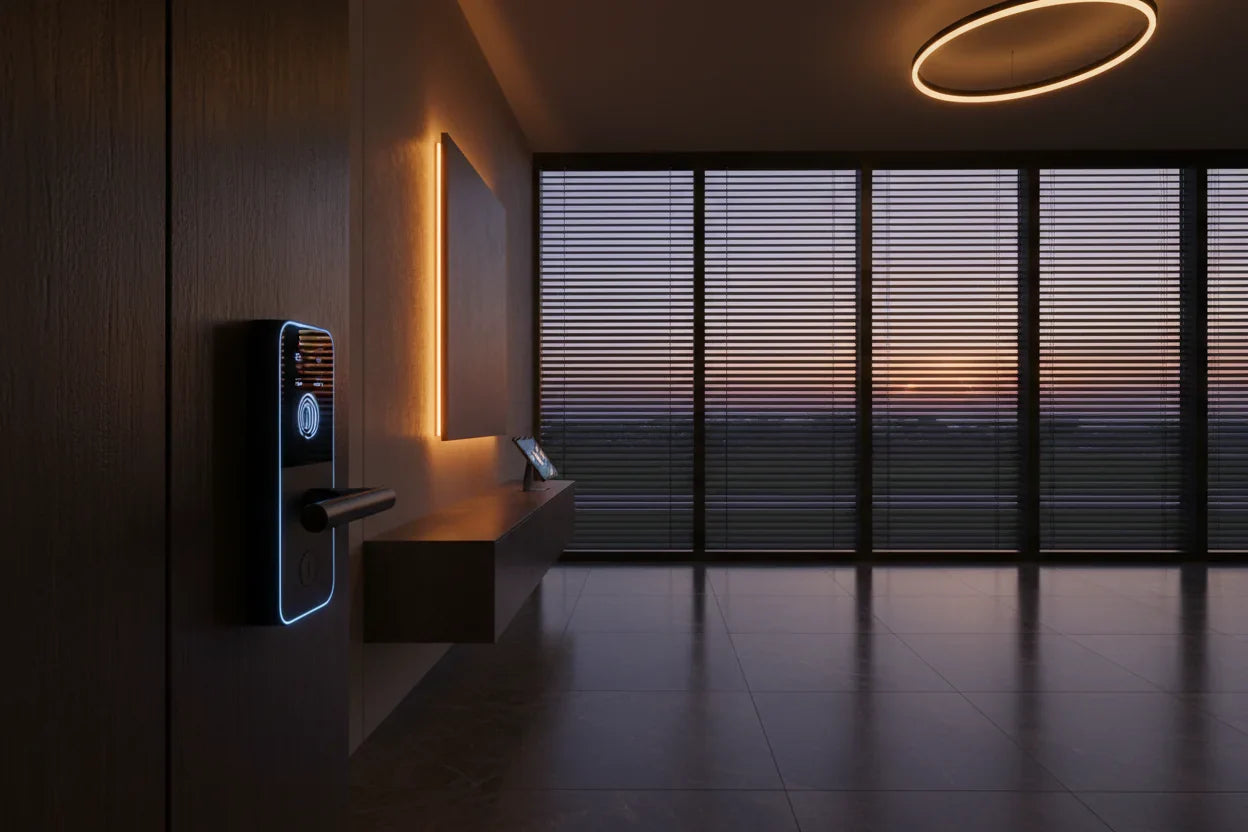
A smart lock is supposed to bring convenience and peace of mind. But lurking inside the battery compartment is a silent killer: leaking batteries. This seemingly small issue can lead to corrosion that permanently damages the sensitive electronics, turning your high-tech investment into a fancy paperweight.
Here’s the deal: most of these hardware failures aren't due to product defects. They're the result of maintenance oversights that are completely preventable. This guide provides a complete, expert-backed plan for preventing smart lock battery leakage and hardware damage, ensuring your lock works reliably for years to come.

Start Smart: Why Your Battery Choice is the First Line of Defense
The single most important step in preventing leaks is choosing the right batteries from day one. Not all batteries are created equal, and using the wrong type can significantly increase the risk of corrosive damage. Let's break down the best options for your smart lock.
The Gold Standard: High-Quality Alkaline Batteries
For most users in moderate climates, high-quality alkaline batteries are the way to go. Major smart lock manufacturers like Lockly and Yale recommend reputable brands like Duracell or Energizer for their stable power delivery and reliability. They provide the consistent voltage that smart lock electronics require.
Be wary of generic "heavy-duty" or bulk-pack, no-name batteries. These are often made with cheaper materials and are far more prone to leaking, especially under the fluctuating power demands of a smart lock. It's a small saving upfront that can lead to a costly replacement later.
Cold Climate Hero: When to Switch to Lithium Batteries
If your front door is exposed to extreme cold, alkaline batteries can lose power or fail completely. In this scenario, lithium batteries are a much better choice. They are engineered to perform exceptionally well in frigid temperatures, functioning reliably down to -40°F.
Users on platforms like Reddit often share stories of cheap batteries leaking after being "cooked" by the heat on a south-facing door. The community's top recommendation is often to switch to high-quality lithium batteries, which handle temperature extremes far better than their alkaline counterparts.
Battery Showdown: Alkaline vs. Lithium Decision Matrix
Making the right choice can be confusing. Use this simple matrix to decide which battery type is best suited for your home and climate.

| Feature | High-Quality Alkaline | Lithium | Rechargeable / Heavy-Duty |
|---|---|---|---|
| Best For | Most users, moderate climates | Extreme cold/heat, critical applications | Not Recommended |
| Performance | Stable, reliable | Excellent in extreme temps | Inconsistent voltage, can cause errors |
| Leakage Risk | Low (for premium brands) | Very Low | High (for Heavy-Duty) / Performance Issues |
| Manufacturer Rec. | Widely Recommended | Recommended for cold | Often Specifically Prohibited |
Proactive Care: A Simple Schedule for Preventing Smart Lock Battery Leakage
Waiting for the low-battery warning is a recipe for trouble. By the time the alert sounds, the batteries may already be dangerously drained and close to leaking. A proactive replacement schedule is the key to your lock's long-term health.
The 6-12 Month Rule: Replace Batteries Before They Fail
As a general rule, you should replace your smart lock's batteries every 6 to 12 months, depending on how frequently it's used. This preemptive strike ensures you swap them out while they still have a healthy charge, significantly reducing the likelihood of leaks.
Crucially, always replace all batteries at the same time. According to maintenance experts, mixing old and new batteries creates an uneven power draw that can cause the new batteries to over-discharge the old ones, dramatically increasing the risk of corrosion.

Your 3-Month Inspection Checklist
A quick visual check every few months can help you catch problems before they cause permanent damage. Pop open the battery cover and look for these tell-tale signs of trouble:
- White, Crusty Powder: This is potassium carbonate, the residue left behind by a leaking alkaline battery.
- Swollen or Warped Batteries: If a battery is bulging, it's a sign of internal failure and should be removed immediately.
- Sticky Residue: Any moisture or sticky film on the batteries or inside the compartment is a clear sign of a leak.
If you see any of these signs, it's time to clean the contacts. For more troubleshooting tips, our SAWHERO Help Center has detailed guides to assist you.
Fortify Your Front Door: Protecting Hardware from Weather Damage
Battery leakage isn't the only threat to your smart lock. Rain, humidity, and extreme temperatures can wreak havoc on its internal components. Protecting your lock from the elements is just as important as managing its power source.

Understanding Water Resistance: What IP Ratings Really Mean
Most smart locks are water-resistant, not waterproof. This is measured by an Ingress Protection (IP) rating. A lock like the SAWHERO SentriKey Smart Lock with an IP54 rating is protected against dust and splashing water, making it suitable for most covered front doors.
If your door has no overhead protection and is exposed to heavy rain, you might look for a lock with a higher IP65 rating, which can withstand direct water jets. Understanding this rating helps you choose a lock that’s built to survive your specific environment.
Practical Steps to Weatherproof Your Smart Lock
You can take a few simple, practical steps to give your lock an extra layer of defense against mother nature.
- Guard Against Rain: For locks in exposed locations, consider adding a protective cover or applying a clear silicone sealant around the seam where the lock meets the door. This creates a barrier that helps keep moisture out.
- Winterize for the Cold: Before winter arrives, lubricate the moving parts of the deadbolt with a dry graphite or silicone-based spray. Avoid oil-based lubricants like WD-40, as they can gum up in the cold and attract dirt.
- Shield from Sun and Heat: Intense, direct sunlight can damage touchscreens and cause internal components to overheat. A simple door overhang or a purpose-built smart lock cover can provide the shade needed to prevent UV damage.
Damage Control: A Step-by-Step Guide to Fix a Corroded Smart Lock
If you've discovered that dreaded white crust inside your lock, don't panic. If the corrosion isn't too severe, you can often clean the battery contacts and restore your lock to working order. Here’s how to safely fix a corroded smart lock.
Safety First: What You Need Before You Start
The residue from leaking batteries is caustic, so it's important to protect yourself. Before you begin, grab a pair of disposable gloves and some safety glasses. Also, ensure you're working in a well-ventilated area to avoid inhaling any dust particles.
Cleaning Corroded Battery Contacts Like a Pro
With your safety gear on, you're ready to get to work. Follow these simple steps to neutralize and remove the corrosion:

- Remove the Old Batteries: Carefully take out the leaking batteries and dispose of them according to your local regulations for hazardous waste.
- Neutralize the Corrosion: Dip a cotton swab in a mild acid like white vinegar or lemon juice. Dab it onto the corroded contacts to neutralize the alkaline residue. You may hear a slight fizzing sound, which is normal.
- Gently Scrub Away Residue: Use a small brush, like an old toothbrush or a dedicated contact brush, to gently scrub away the loosened corrosion.
- Wipe and Dry Thoroughly: Use a clean, dry cloth or a new cotton swab to wipe away all moisture and residue. It is critical that the contacts are completely dry before you proceed.
- Install New Batteries: Once the compartment is clean and bone-dry, insert a fresh set of high-quality alkaline or lithium batteries.
Don't Overlook the Basics: How Proper Installation and Upkeep Prevents Damage
Sometimes, battery issues are a symptom of a deeper problem. A poor installation can put constant strain on your lock's motor, draining batteries at an alarming rate and leading to a host of other hardware issues.
The Hidden Killer: Why Door Misalignment Drains Your Battery
One of the most common installation mistakes is a misaligned door. If the deadbolt has to fight to extend or retract into the doorframe, the motor has to work much harder. This excessive strain can drain a fresh set of batteries in weeks instead of months, increasing the chance of leaks.
Before installing any smart lock, ensure your door hangs correctly and the deadbolt moves freely without any friction. A few minutes spent adjusting the door's alignment can save you from chronic battery problems down the road.
The Simple Maintenance Routine (That Isn't About Batteries)
Beyond batteries, a little regular upkeep can go a long way in preserving your lock's health. Add these simple tasks to your home maintenance checklist:
- Keep It Clean: Periodically wipe the keypad and fingerprint sensor with a soft, dry cloth to remove dirt and oils.
- Lubricate the Bolt: Every six months, extend the deadbolt and apply a small amount of dry graphite lubricant to keep it moving smoothly.
- Update the Firmware: Just like your phone, smart locks receive firmware updates to improve performance and power efficiency. Check the app regularly for any available updates. Learn more about how SAWHERO Smart Locks use technology to deliver a better experience.
Frequently Asked Questions (FAQ)
Here are quick answers to some of the most common questions about smart lock batteries and maintenance.
Q: Can I use rechargeable batteries in my smart lock?
A: It's generally not recommended. Most manufacturers, including Yale, advise against them because their voltage can be unstable and drop off suddenly, leading to performance glitches and inaccurate low-battery readings.
Q: What's the white, crusty powder in my lock's battery compartment?
A: That is potassium carbonate, a salt that forms when the potassium hydroxide inside an alkaline battery leaks and reacts with the air. It's corrosive and should be cleaned off carefully as soon as it's discovered.
Q: How often should I really change my smart lock batteries?
A: Proactively, every 6 to 12 months. Waiting for the low-battery warning is risky; it not only increases the chance of a leak but could also leave you locked out if the batteries die completely before you can change them.
Q: My smart lock drains batteries way too fast. What’s wrong?
A: There are two likely culprits. First, poor Wi-Fi connectivity could be forcing the lock to constantly search for a signal. Second, physical misalignment of the door or deadbolt is likely making the motor work overtime.
Q: Will my smart lock still work if the battery is completely dead?
A: Yes, you won't be locked out. All smart locks have a backup method. Models like the SAWHERO SentriKey include a set of mechanical keys and feature a Type-C emergency power port on the bottom, allowing you to temporarily power it with a portable battery bank.
Q: Can I make my smart lock 100% waterproof?
A: You can't make it fully submersible (waterproof), but you can significantly enhance its resistance to rain. Using silicone sealant around the edges and adding a protective cover are effective ways to prevent water from reaching the sensitive electronics.
Ultimately, preventing smart lock battery leakage and hardware damage comes down to four pillars: choosing the right batteries, performing proactive checks, protecting the lock from weather, and ensuring it was installed correctly from the start. By following these simple but crucial maintenance steps, you can ensure your smart lock remains a reliable and secure part of your home for years to come.
Ready for a smart lock engineered with durability in mind? Explore the SAWHERO SentriKey to see how its smart design and robust features help prevent these common headaches.