The Challenge: Blending Modern Security with Historic Charm
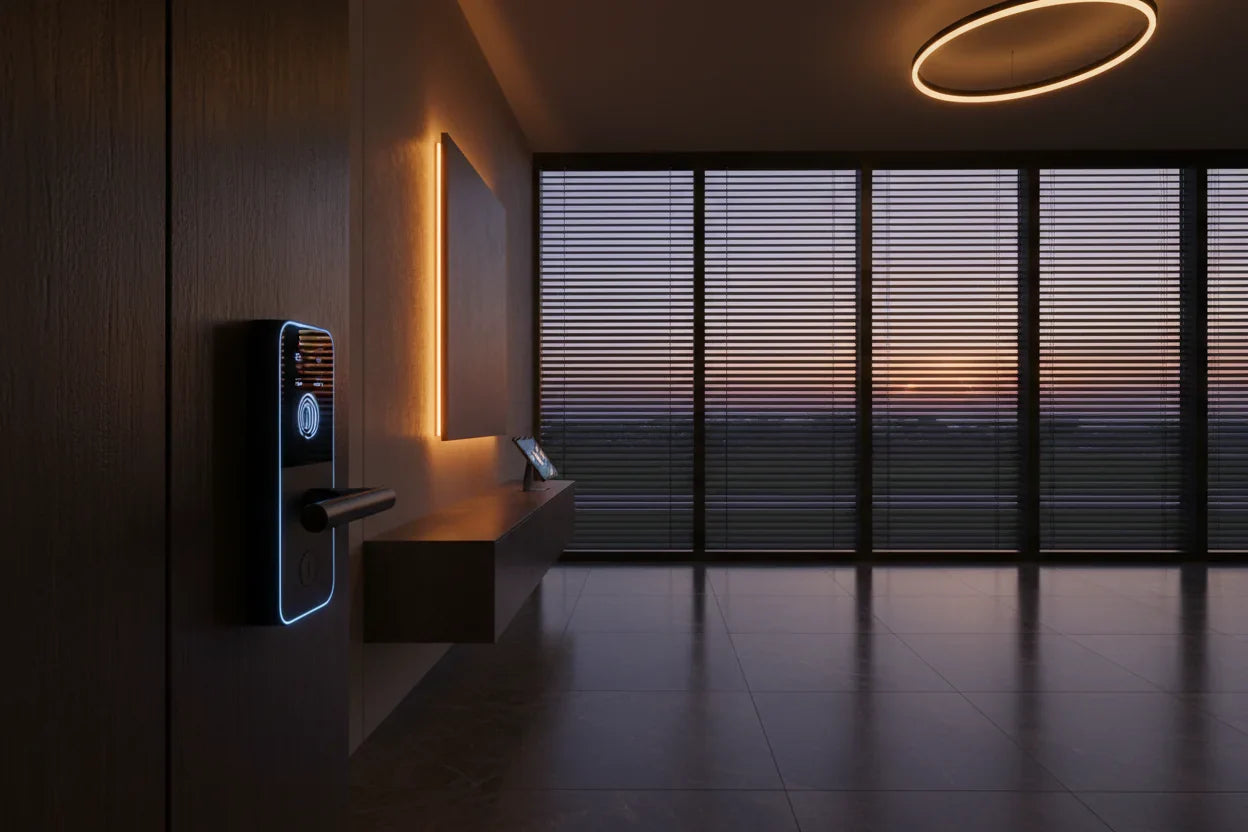
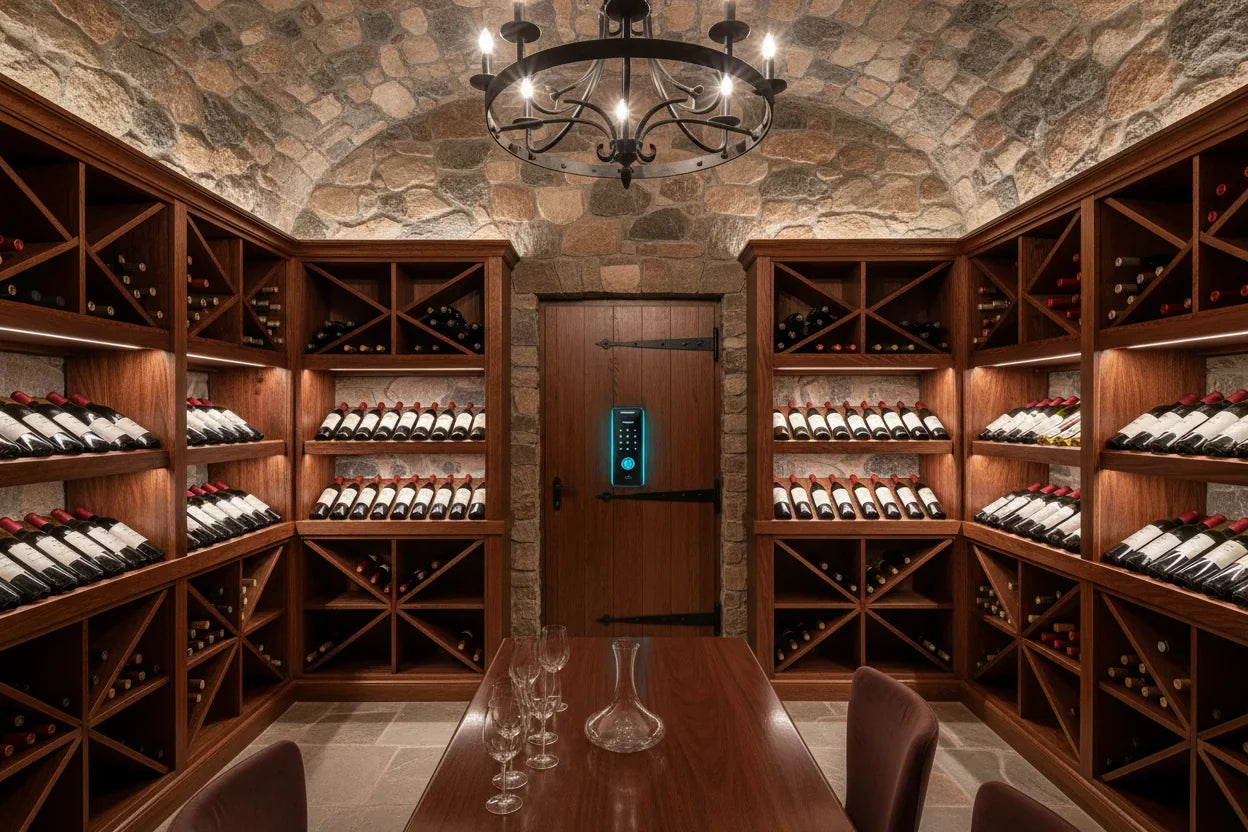
Owning a historical home is a unique privilege, but it often comes with a challenge: blending modern convenience with timeless character. You want the advanced security and key-free access of a smart lock, but the thought of drilling into a century-old door can be daunting. This is the core of historic home security in 2026—marrying new technology with irreplaceable craftsmanship.
The good news is, you don't have to choose between preservation and progress. With the right approach, retrofitting smart locks to historical and antique doors is not only possible but can be done without leaving a permanent mark. This guide lays out a clear framework to help you assess your door, compare non-destructive solutions, and make an informed decision that honors your home's past while securing its future.
The Preservationist's Dilemma: Can You Add a Smart Lock Without Ruining Your Door?
The central conflict for any historic homeowner is the potential clash between modern technology and vintage aesthetics. A bulky electronic keypad can feel out of place on an ornate Victorian door. The primary goal is to enhance functionality while adhering to the core principles of preservation: reversibility and minimal intervention.
Understanding the Core Principles of a Successful Retrofit
Historic preservation authorities emphasize that any modification should be non-intrusive and, ideally, completely reversible. According to the National Park Service, the goal is to recommend "methods and approaches for rehabilitating historic buildings that are consistent with their historic character." This means if you decide to remove the smart technology later, the door can be returned to its original state without any visible damage. It’s why many homeowners gravitate toward "invisible solutions."
Products like the August Wi-Fi Smart Lock, which attaches to the interior side of your existing deadbolt, or the Level Lock, which hides entirely inside the door, are often the first choice. They allow you to keep your beautiful, original exterior hardware, ensuring the door's character remains untouched.
Why Standard Smart Locks Often Fail on Antique Doors
Most smart locks you find in a big-box store are designed for modern, standardized doors. They often fail on antique doors for a few key reasons. Older doors frequently have non-standard thickness, unique and irreplaceable hardware, or intricate carvings that a new installation would destroy.
However, the single biggest hurdle is the presence of a mortise lock. This large, rectangular lock body sits in a deep pocket (a "mortise") within the door's edge and is fundamentally incompatible with the cylindrical deadbolts modern smart locks are built for. Forcing a standard smart lock here often requires irreversible and damaging modifications.
Start Here: A Pre-Installation Checklist for Your Historical Door
Before you even start shopping, a careful assessment of your door will save you time, money, and potential heartbreak. This checklist will help you gather the essential information needed to find a compatible smart lock.
Measure Twice, Install Once: Checking Your Door's Dimensions
Grab a tape measure and check three critical dimensions. First, measure your door's thickness; most smart locks are designed for doors between 1-3/8" and 2" thick. While some brands offer thick-door kits, many antique doors fall outside this range, so this is a crucial first check.
Next, measure the backset, which is the distance from the edge of the door to the center of the lock's borehole. Finally, note the diameter of any existing holes. Having these numbers handy will make it much easier to filter your options.
Identifying Your Existing Lock: Is It a Mortise or a Deadbolt?
This is the crucial fork in the road for your project. A modern deadbolt is a simple cylindrical bolt that extends from the door's edge into the frame. In contrast, a mortise lock is a large, boxy mechanism housed inside the door, often combined with the handle or doorknob in a single unit.
Look at the edge of your door. If you see a narrow, round bolt, you have a standard deadbolt, which is compatible with many retrofit solutions. If you see a large rectangular faceplate, you have a mortise lock, which presents a major hurdle and will require a more specialized approach.
Assessing the Door's Condition and Alignment
A smart lock's motor is precise but not powerful enough to force a misaligned bolt into place. As one expert noted, "Doors that need to be pushed, pulled, or lifted to lock are not good candidates for a smart lock." Before installing any smart device, ensure your door opens and closes smoothly without sticking or dragging. You may need to adjust the hinges or strike plate first.
Comparing the Top 3 Retrofit Smart Lock Solutions for Historical Doors
Once you've assessed your door, you can explore the most preservation-friendly smart lock options on the market. As tech publications like CNET often note, these solutions are designed specifically to work with existing hardware, minimizing aesthetic impact and avoiding destructive installation.
The "Invisible" Upgrade: Full Internal Replacement
For the ultimate in aesthetic preservation, the Level Bolt is a top contender. This device replaces the internal components of your existing deadbolt, housing all the smart technology entirely within the door itself. From the outside, your door looks exactly the same, as you continue to use your original handle and keyhole. It's an excellent choice for purists who want smart functionality that is virtually unseen.
The "Non-Destructive" Path: Interior-Only Retrofits
Brands like August and Wyze offer a highly popular non-destructive path. Their devices mount on the inside of your door, directly over your existing thumb-turn. This allows you to keep your original lock, keys, and all exterior hardware. Installation is remarkably simple, often requiring just a screwdriver and about 10 minutes. This approach is fully reversible, making it ideal for renters or homeowners who are hesitant to disassemble their original lock. The DIY-friendly nature of products like the SAWHERO Sentrikey Smart Lock embraces this same principle of convenient, user-led installation.
The "No-Tools" Approach: Adhesive-Based Solutions
The SwitchBot Lock takes simplicity a step further by using strong 3M adhesive tape to attach to the inside of your door. This "no-tools" approach makes it compatible with a very wide range of lock types, as it simply turns the existing knob or thumb-turn mechanically. While its installation is the easiest of all, you may want to consider its long-term stability compared to solutions that use a mounting plate and screws.
Decision Matrix: Which Retrofit Smart Lock is Right for Your Antique Door?
| Feature | Level Bolt (Invisible) | August Wi-Fi Smart Lock (Interior) | SwitchBot Lock (Adhesive) |
|---|---|---|---|
| Aesthetic Impact | None (Completely Invisible) | Interior Only | Interior Only |
| DIY Friendliness | Moderate | Very Easy | Easiest |
| Reversibility | Fully Reversible | Fully Reversible | Fully Reversible |
| Compatibility | Standard Deadbolt | Most Single-Cylinder Deadbolts | Broadest Range |
| Mortise Support | No | No | Limited (with adapter) |
Tackling the Mortise Lock: Advanced Solutions for the Toughest Challenge
As we've established, the mortise lock is the biggest obstacle to a simple smart lock upgrade. Standard retrofit kits won't work, but you're not out of options. Here are three paths you can take, ranging from professional-grade to creative compromises.
Option 1: The Professional Conversion (Recommended)
The safest and most reliable method is to hire a professional locksmith with experience in historical hardware. They may be able to modify the internal mechanism of your existing mortise lock to work with a smart keypad, like some Yale Real Living models. Alternatively, companies like Alfred International offer specialized smart mortise locks (such as the ML2) designed to replace the entire old unit without extensive door modifications.
This approach ensures a secure and functional installation, but it is also the most expensive option. For a valuable antique door, the cost of professional expertise is often a worthwhile investment. While exploring your options, consider the balance of features and ease of installation offered by modern solutions on the SAWHERO homepage.
Option 2: The Advanced DIY Conversion (Use Caution)
For those with significant woodworking and locksmithing skills, a more invasive DIY conversion is possible. This process involves carefully removing the entire mortise lock mechanism. Next, a custom-fit piece of hardwood is glued into the large cavity to create a solid block. Once the filler is secure, you can drill new, standard-sized holes for a modern smart lock.
This is a high-risk, irreversible procedure. A single miscalculation can permanently damage your door. Before attempting this, we strongly advise searching for video tutorials on YouTube to fully appreciate the level of precision and skill required.
Option 3: Bypassing the Mortise Lock Entirely
A simpler, less destructive compromise is to bypass the old lock altogether. You can leave the original mortise lock and beautiful handleset in place purely for decoration. Then, install a separate, low-profile smart deadbolt, like a Level Lock, above or below the existing hardware. While this does alter the door's exterior appearance, it completely avoids any complex and risky surgery on the mortise lock itself.
Real-World Scenarios: Smart Locks on Historic Doors
Let's apply these concepts to a few real-world situations. Seeing how these solutions work in practice can help you envision the best path for your own historic home security in 2026.
Scenario 1: The Listed Heritage Home
Imagine you own a home that is officially designated as a historic landmark. Any modifications are strictly regulated to preserve the building's integrity. In this case, your only viable options are fully non-destructive and reversible solutions like the Level Lock or an August Wi-Fi Smart Lock. It is crucial to consult your local historic preservation committee before any installation to ensure you comply with all guidelines.
Scenario 2: The Family's Century-Old Farmhouse
Consider a family living in a beloved 100-year-old farmhouse. Their goal is to add convenience for their children and aging parents. A lock like the SAWHERO, with its high-recognition fingerprint scanner, is well-suited for seniors who might struggle with apps or codes. The ability to generate temporary passwords is also invaluable for visiting relatives or service providers. Explore more on the benefits of smart locks for families.
Scenario 3: The Boutique Hotel or Airbnb with Vintage Doors
For a business owner running a boutique hotel or Airbnb in a historic building, maintaining a vintage aesthetic is key to the brand. However, managing keys for dozens of guests is a logistical nightmare. A solution with built-in WiFi, like SAWHERO, allows for remote management and the ability to generate time-sensitive access codes from anywhere. This boosts operational efficiency without sacrificing the property's charm. For more on remote management, check out the SAWHERO Help Center.
Frequently Asked Questions
Can I install a smart lock on an old door without drilling?
Yes. Models from August, Wyze, and SwitchBot are designed to be installed on the interior of your door, using your existing hardware. They require no new holes, making them excellent non-destructive options.
What is the most "invisible" smart lock for a historic door?
The Level Bolt is widely considered the most invisible option because its technology is completely housed within your existing deadbolt. From the outside, there is no visible sign of a smart device.
My antique door is much thicker than a modern door. What are my options?
Always check the manufacturer's specifications before buying. Some brands sell "thick door kits" to accommodate non-standard dimensions. Measure your door's thickness first and compare it against the product's compatibility range.
Do I need a professional locksmith to convert a mortise lock?
It is highly recommended. Converting a mortise lock is a complex task that can easily result in permanent damage to your door if done incorrectly. Unless you have advanced woodworking and locksmithing skills, hiring a professional is the wisest choice.
Will a smart lock work if my old door sometimes sticks?
No, it will likely fail. Smart lock motors require the door to be perfectly aligned to function reliably. You must first fix any underlying alignment or sticking issues before installing a smart lock.
Do I need special permission to modify the door of a historically designated building?
Most likely, yes. Always contact your local historical preservation commission or governing body to understand the rules. Prioritize fully reversible solutions to ensure compliance.
Marrying History and Convenience for Your Home
The journey of retrofitting smart locks to historical and antique doors is one of careful consideration, not compromise. It is entirely possible to enjoy modern security and convenience without sacrificing the irreplaceable character of your home. The key is to begin with a thorough assessment of your door and prioritize solutions that are non-destructive and reversible.
By choosing the right technology—whether it's an invisible internal device, a simple interior-mounted unit, or a professional mortise conversion—you can create a home that is both a tribute to the past and a gateway to the future. Embrace the best of both worlds and make your historic home smarter, safer, and more convenient than ever before.