The Foundation of Security: How Do They Physically Stack Up Against Forced Entry?
When it comes to home security, the first line of defense is raw physical strength. It doesn’t matter if your lock is “smart” or “traditional” if it can’t withstand a brute-force attack. FBI data reveals that forcible entry was used in over half of all burglaries, making a lock’s physical integrity its most critical feature.

This is where we need to talk about ANSI (American National Standards Institute) and BHMA (Builders Hardware Manufacturers Association) ratings. These organizations put locks through grueling tests—including heavy hammer blows, intense prying, and thousands of opening cycles—to determine their durability and strength.

Whether you choose a smart lock or a traditional one, ensure it has an ANSI Grade 1 rating—the highest level of residential security. A high-quality smart deadbolt from a reputable brand uses the same heavy-duty steel and physical locking mechanisms as its non-smart counterpart. The "smart" part is simply the brain that controls that physical muscle.
Convenience Without Compromise: The Smart Advantage
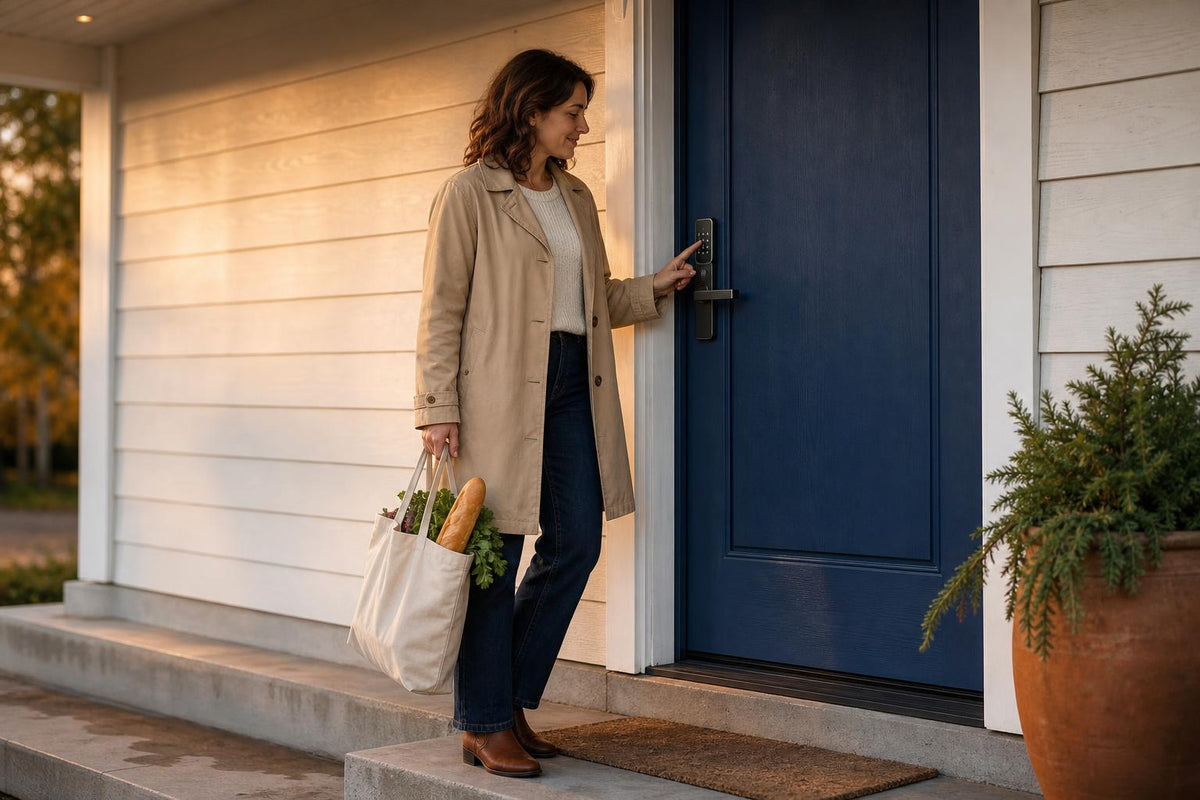
While physical security might be a tie between a high-grade traditional deadbolt and a top-tier smart lock, convenience is where the smart lock takes a massive lead. Think about the last time you fumbled for your keys while holding groceries, or had to leave work because a repairman needed access.

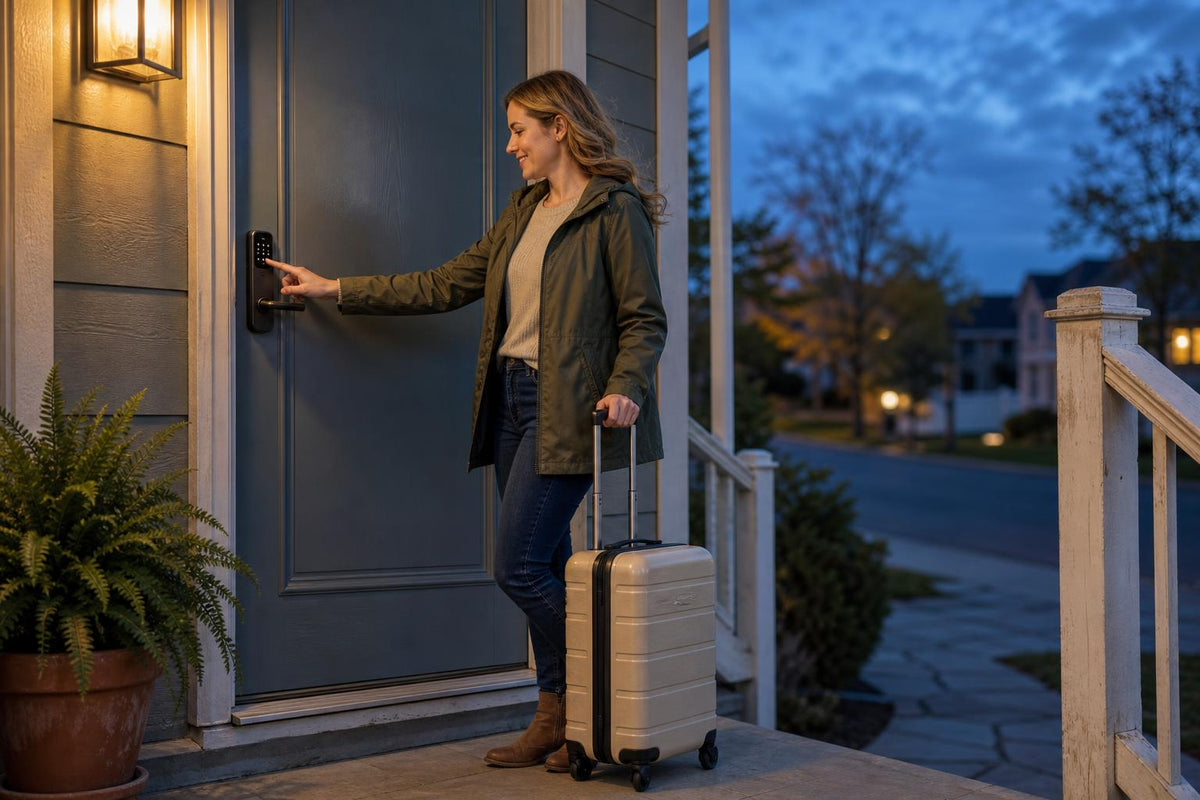
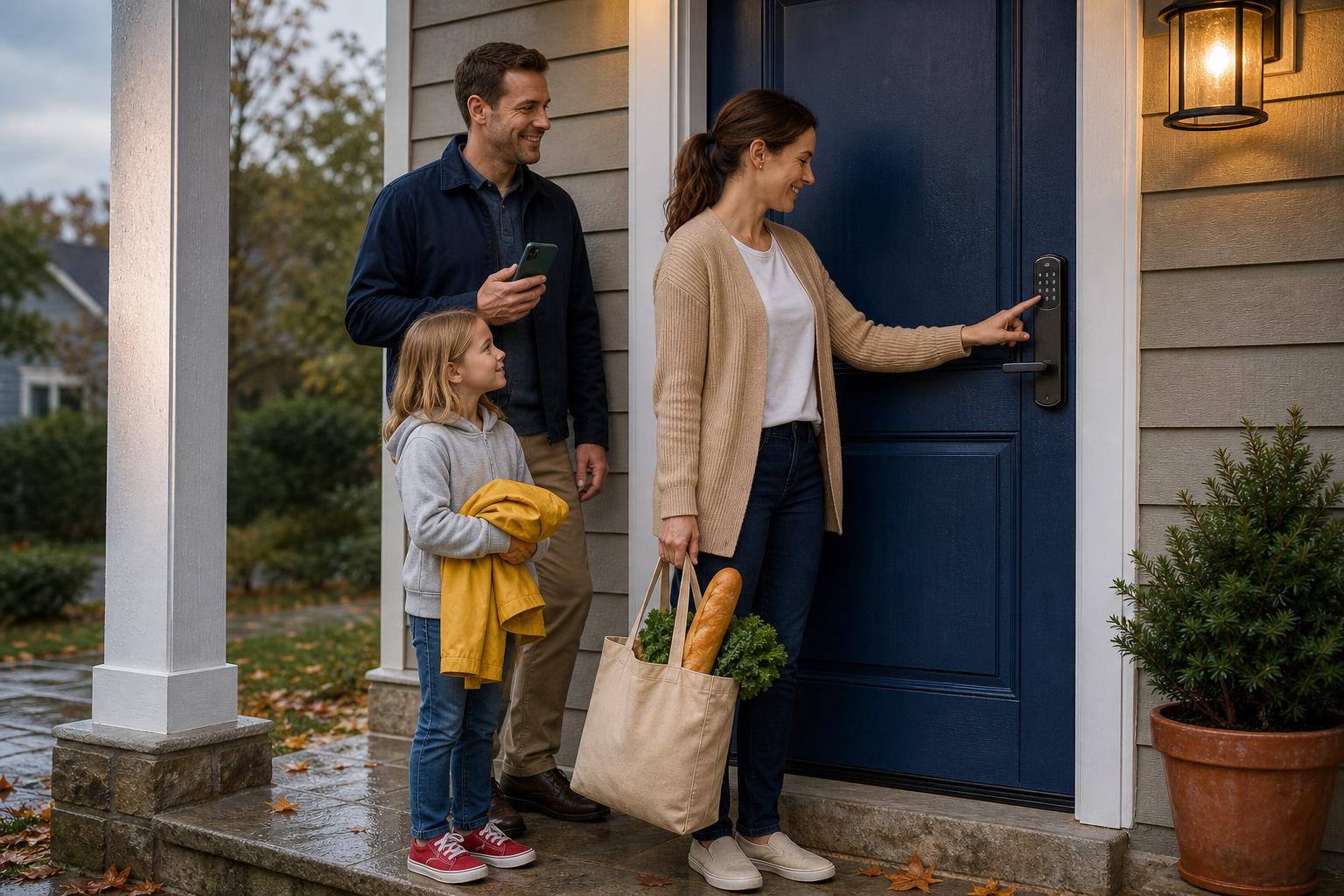
With a smart lock, your smartphone becomes your key. You can create unique access codes for family members, dog walkers, or short-term rental guests—and you can delete those codes just as easily. You can even check your lock status and lock or unlock your door from anywhere in the world.

Beyond remote access, features like auto-unlock (which opens the door as you approach) and one-touch locking provide a level of seamlessness that a traditional key simply can't match. No more worrying if you forgot to lock the door—your app will tell you, and let you fix it in a tap.
The Cybersecurity Question: Is Digital More Vulnerable Than Physical?
The most common concern about smart locks is hacking. It's a valid question: by adding a digital brain, are we creating a new vulnerability? While no system is perfectly unhackable, modern smart locks use the same level of encryption as online banking (AES-128 bit or higher).

Compare this to a traditional lock, which is vulnerable to low-tech but highly effective methods like lock picking and lock bumping. These techniques require minimal skill and leave almost no trace. In reality, a burglar is much more likely to kick in a door or break a window than to attempt a sophisticated digital hack on a smart lock.
The Bottom Line: Which Should You Choose?
If you prioritize budget above all else and don't mind carrying keys, a high-quality ANSI Grade 1 traditional deadbolt is an excellent, time-tested choice. However, if you want to enhance your daily lifestyle while maintaining (or even improving) your home's security, a smart lock is the clear winner.

The ability to manage access, monitor history, and enjoy keyless convenience—all without sacrificing the physical muscle of a deadbolt—makes the smart lock the standard for the modern home in 2026.