Built-in WiFi vs. Bridge: Understanding the Core Trade-Off
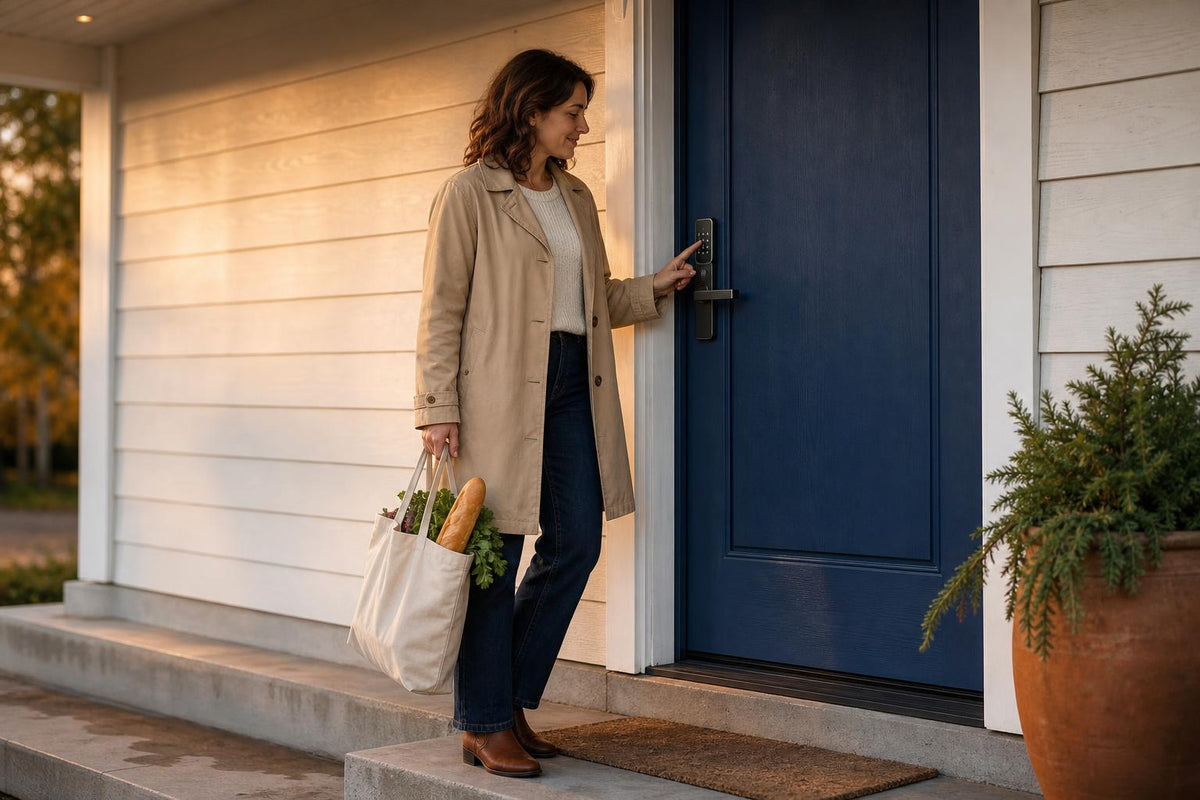
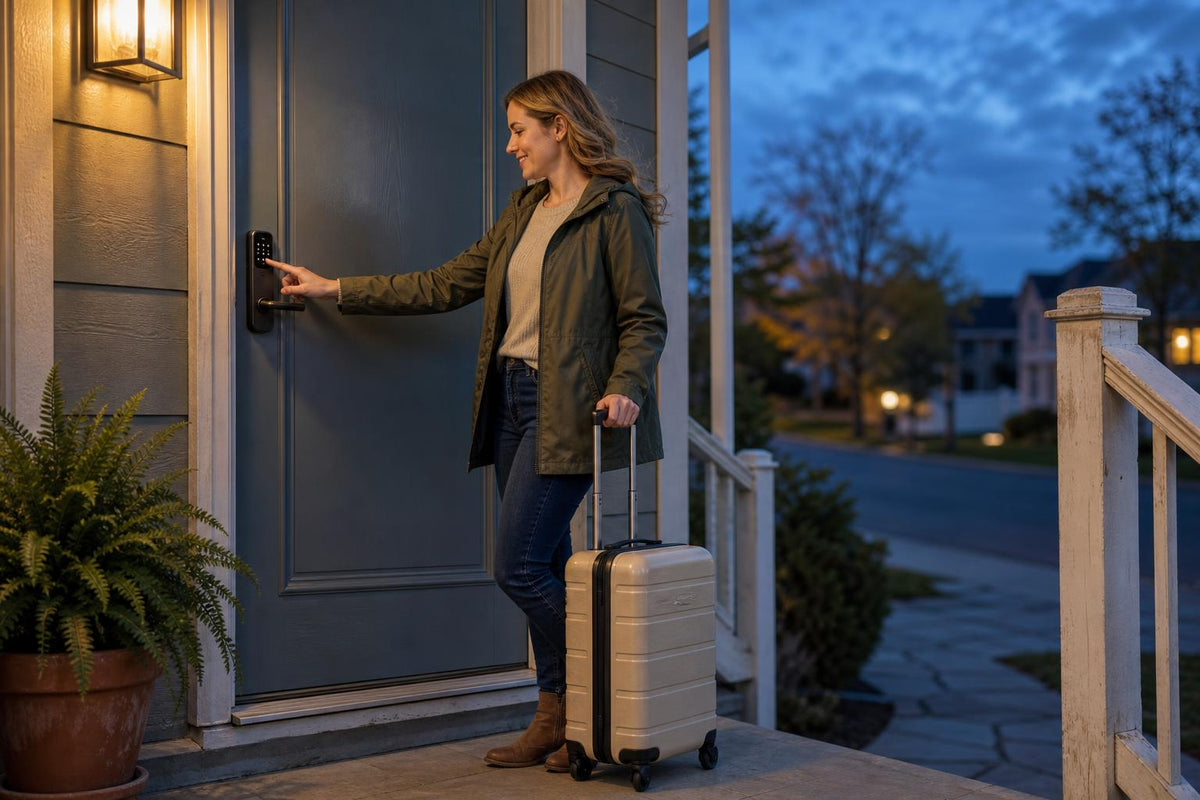
To put it simply, a smart lock with built-in WiFi connects directly to your home's router, just like your smartphone. This direct connection unlocks true remote access, allowing you to lock, unlock, and monitor your door from anywhere with an internet connection.
This is fundamentally different from locks that use Bluetooth or Z-Wave. Those technologies require a separate device called a bridge or hub. The bridge acts as a translator, connecting the lock to your WiFi network so you can control it from afar. For those looking to avoid extra hardware, a no-hub WiFi smart lock is the most direct solution.
The All-in-One Convenience: Why No Hub is a Big Deal
Going hub-free offers a few clear benefits. First, the installation process is simpler with one less device to set up and plug in. It also means a cleaner look near your entryway without extra hardware cluttering your outlets.
This streamlined setup also means a lower initial cost, as you aren't buying an additional piece of equipment. It’s a genuine "out-of-the-box" solution for remote keyless entry, perfect for anyone looking for a straightforward smart home upgrade.
The Hidden Cost: A Deep Dive into Battery Consumption
However, that always-on convenience comes at a cost: battery life. A lock constantly connected to WiFi simply uses more power than one in a low-energy Bluetooth standby mode. It's the most important trade-off to consider.
The difference can be significant. For instance, one user on Reddit noted that an August Smart Lock connected directly to WiFi can drain its battery 300-400% faster than when it's paired with a bridge. While many manufacturers claim a battery life of 6 to 12 months, real-world usage often brings that down to a more realistic 2 to 4 months.
Comparing the Top Smart Locks with Built-in WiFi in 2026
The market for WiFi-enabled smart locks is growing, with several top brands offering compelling options. Each has its own strengths, whether it's seamless smart home integration, rock-solid durability, or a renter-friendly installation process. Let's break down how the most popular models stack up.
Tech reviewers often highlight specific models for different needs. For example, CNET's 2026 roundup named the Yale Assure Lock 2 the best overall for its versatile design and broad platform compatibility. Meanwhile, models like the Schlage Encode Plus are praised for reliability, and Eufy often gets nods for its fast fingerprint access and great value.
Decision Matrix: Finding the Right WiFi Smart Lock for You
Use this table to quickly compare the key features that matter most to homeowners when choosing a smart lock with built-in WiFi.
| Feature | Yale Assure Lock 2 | Schlage Encode Plus | August Wi-Fi Smart Lock | Eufy Security S230 |
|---|---|---|---|---|
| Installation Type | Full Replacement | Full Replacement | Retrofit (over existing deadbolt) | Full Replacement |
| Key Feature | DoorSense® auto-lock, Matter support | Direct home automation integration | Easy install, keeps original key | 0.3s Fingerprint ID, IP65 Weatherproof |
| Smart Home | Apple HomeKit, Alexa, Google Assistant | Alexa, Google Assistant | Apple HomeKit, Alexa, Google Assistant | Alexa, Google Assistant |
| Reported Battery Life | Fair to Good (with module) | Good | Poor (frequent user complaint) | Good |
| Best For | Smart home enthusiasts needing broad compatibility | Users seeking reliable, direct integration | Renters or users wanting to keep their keys | Value-conscious users needing biometric access |
Key Features That Truly Matter for Homeowners
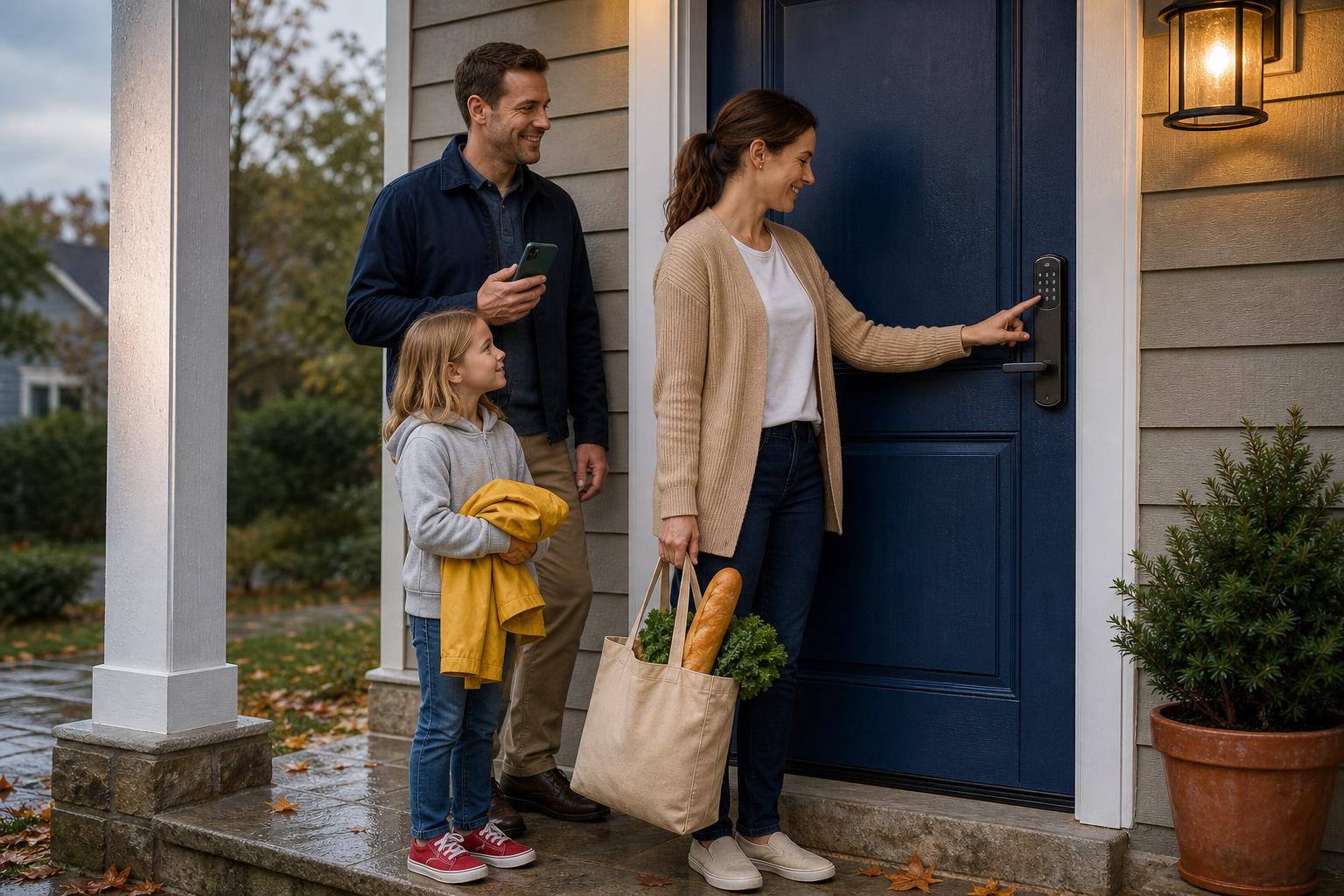
A spec sheet only tells part of the story. The best smart lock is one that seamlessly integrates into your daily life. Think about your specific needs and how a lock's features can solve real-world problems. By matching technology to your lifestyle, you can find a solution that offers more than just convenience.
Whether you're a hands-on homeowner, a property manager, or running a busy household, the right smart lock from a trusted brand like SAWHERO can provide security and peace of mind tailored to you.
Seamless Remote Access for Guests, Renters, and Family
If you manage a rental property or host on Airbnb, a smart lock with built-in WiFi is a game-changer. You can grant access to new tenants or guests from your phone without ever needing to meet for a key exchange. The ability to create, share, and revoke temporary access codes on a schedule is invaluable.
Models like the SAWHERO A1 Smart Lock provide a robust app with a detailed activity log. Knowing exactly when your door was opened and by whom provides a critical layer of security and accountability for your property. This level of control is essential for any modern host.
DIY-Friendly Installation: How You Can Save Hundreds on Fees
One of the biggest wins with modern smart locks is avoiding hefty professional installation fees. Most models are designed for a straightforward DIY setup, requiring just a single screwdriver and about 15 minutes of your time. Our smart lock installation guide walks you through the process.
For those looking for the simplest path, retrofit locks like the August Wi-Fi Smart Lock are fantastic. They install over the interior part of your existing deadbolt, so you don't have to change your door hardware. A review from MakeUseOf also praised other retrofit models like the Bosma Aegis for this easy setup process. You can find more detailed guides in our Help Center.
How to Maximize Battery Life on Your WiFi Smart Lock
Given that battery consumption is the primary trade-off for WiFi convenience, knowing how to manage it is key. A few simple adjustments can make a big difference in how often you need to replace the batteries, saving you time and money.
Taking these steps ensures you get the best of both worlds: the remote access you need and a battery life that doesn't become a hassle. For more in-depth advice, check out our smart lock battery life tips.
Actionable Tips to Extend Your Lock's Power
- Check Your WiFi Signal: A weak signal forces the lock to work harder to stay connected, draining the battery faster. Ensure you have a strong, stable WiFi signal at your door.
- Use High-Quality Batteries: Don't skimp on batteries. High-performance lithium batteries often last significantly longer than standard alkaline ones in smart devices.
- Adjust Polling Frequency: Some lock apps allow you to adjust how often the lock reports its status. A less frequent update schedule can help conserve power.
Your Questions About WiFi Smart Locks, Answered
Still have questions? Here are some quick answers to the most common queries about smart locks with built-in WiFi.
Do smart locks with built-in Wi-Fi need a separate hub?
No, their main advantage is connecting directly to your home's Wi-Fi router without any extra hardware.
How long do batteries *really* last in a WiFi smart lock?
While manufacturers may claim 6-12 months, real-world usage, based on user reports, is often closer to 2-4 months, depending on usage frequency and Wi-Fi signal strength.
What happens if my home Wi-Fi goes down?
Most locks still function locally via Bluetooth from your phone or by using the physical keypad/key. You only lose remote access capabilities until the Wi-Fi is restored.
Can I still use my original physical key?
It depends on the model. Retrofit locks like the August Wi-Fi Smart Lock install over your existing hardware, so your original key still works. Full replacement locks come with their own set of keys.
Are smart locks with Wi-Fi secure?
Reputable brands use strong encryption (like AES 128-bit or 256-bit) for communication. Security also depends on you using a strong, unique password for your account and home Wi-Fi network.
Do these locks work with 5 GHz Wi-Fi networks?
No, nearly all smart locks operate exclusively on the 2.4 GHz Wi-Fi band for better range and compatibility.
Making the Smartest Choice for Your Home Security
Choosing a smart lock with built-in WiFi is a balance between ultimate convenience and managing battery life. By understanding this core trade-off, you can make an informed decision that truly suits your home and lifestyle.
Consider your comfort with DIY projects, how much you value remote access, and the daily routines of your family. Armed with this knowledge, you're ready to pick a smart lock that doesn't just open your door, but also opens up a new level of security and convenience.